

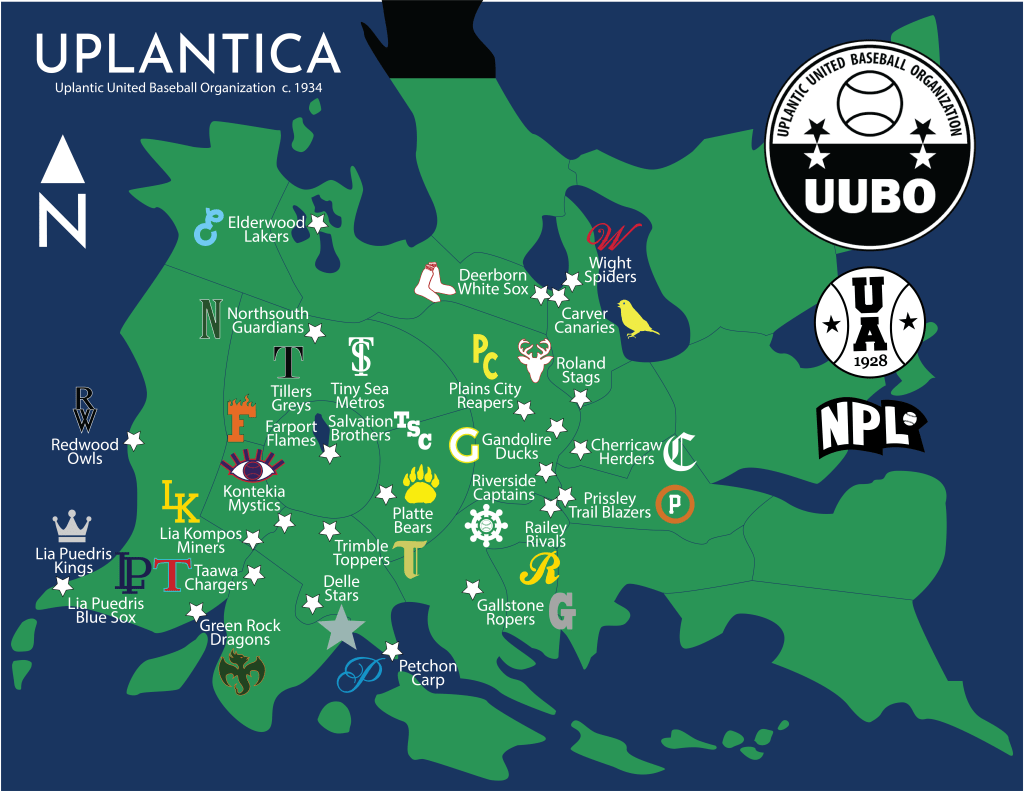
Carver Canaries * Cherricaw Herders * Deerborn White Sox * Delle Stars * Elderwood Lakers * Farport Flames * Gallstone Ropers * Gandolire Ducks * Green Rock Dragons * Kontekia Mystics * Lia Kompos Miners * Lia Puedris Blue Sox * Lia Puedris Kings * Northsouth Guardians * Petchon Carp * Plains City Reapers * Platte Bears * Prissley Trail Blazers * Railey Rivals * Redwood Owls * Riverside Captains * Roland Stags * Salvation Brothers * Taawa Chargers * Tillers Greys * Tiny Sea Metros * Trimble Toppers * Wight Spiders

The Uplantic Association (UA) was the first organized professional baseball league in history. It began play in 1928. Two years later, the National Professional League (NPL) began play. The UA emerged as the premier professional league, but the NPL held its own in terms of fan interest. For the 1934 season, the leagues merged into the Uplantic United Baseball Organization (UUBO).
The UUBO operates on a two-tier promotion and relegation system. At the end of each season, the NPL champions are promoted to the UA for the following year, while the UA’s worst performing team is relegated to the NPL.

The UA championship trophy is named after founding commissioner Jim Windsor. The Windsor Cup is one of a kind and travels to the possession of the team that wins it each year.
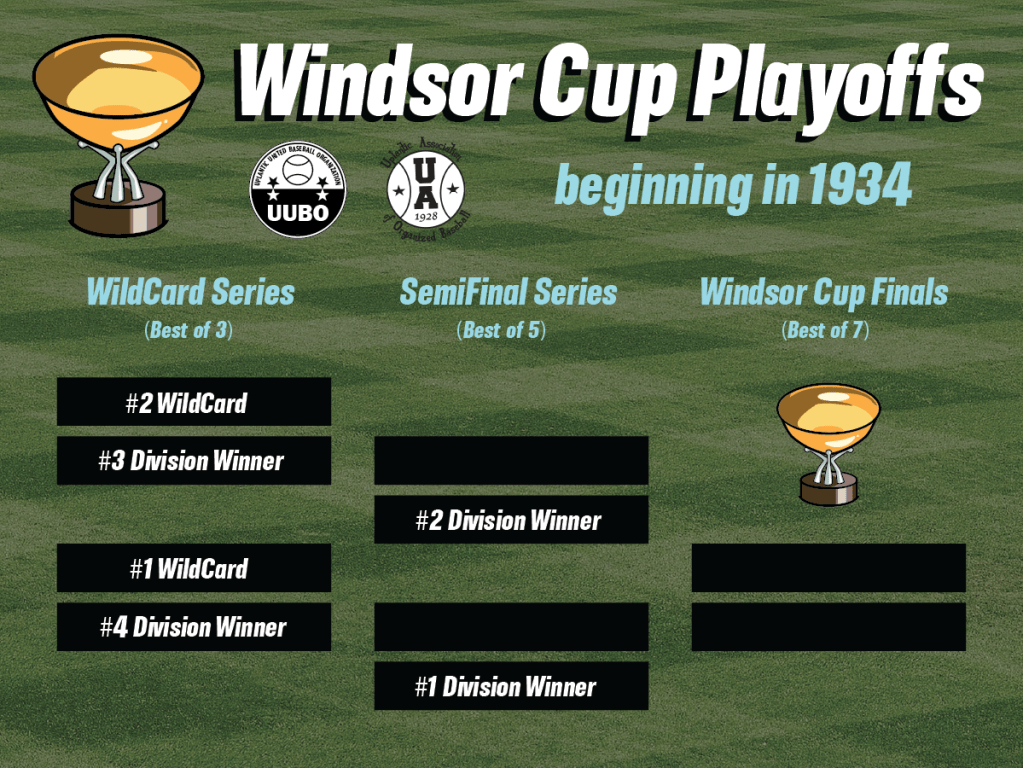
The UA is comprised of four divisions of four teams each, playing a 100-game Regular Season. These divisions realign each season according to the previous year’s final standings. Four division winners and two WildCard teams make the Windsor Cup Playoffs.

The top two teams in the NPL standings at the end of each 70-game Regular Season play a best-of-5 series for the National Cup and promotion to the UA for the following season. This series is known as the National Series. The top team plays the full series in their home stadium and is given a 1-game advantage to start the series, meaning that the top team only needs to win two games to take the National Series, while the challenger has to win three games in order to win the series.
UUBO Teams
Carver Canaries
“Chirp! Chirp! Chirp!”
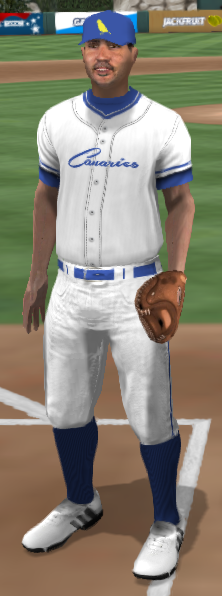
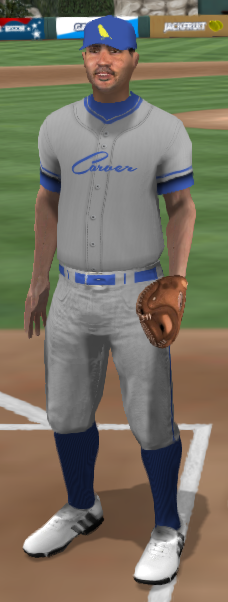
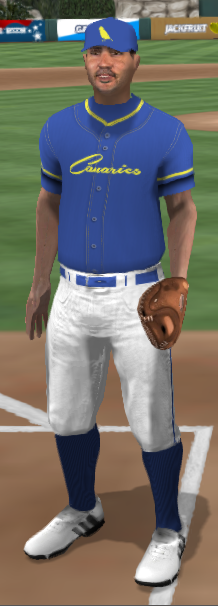
The Carver Canaries were a new team for the NPL, founded in 1930. Their owner is Chris Len, a former banking executive from Tiny Sea. Len is a notorious cutthroat businessman. He has a reputation for being hard to work with, yet he has led a very successful life. Len aims to make the Canaries a household name across Uplantica. His big city style can conflict with the more laid back pace of the Woodlyn Coast, but locals appreciate the clout Len brings to Carver. The Canaries have a natural rivalry with the Wight Spiders due to their geographical proximity, and the city of Carver has a longstanding rivalry with the city of Deerborn, although the two cities originally competed in different leagues and never played each other until 1934.
NPL Champions: 1930, 1931
Cherricaw Herders
“Life, land, victory!”

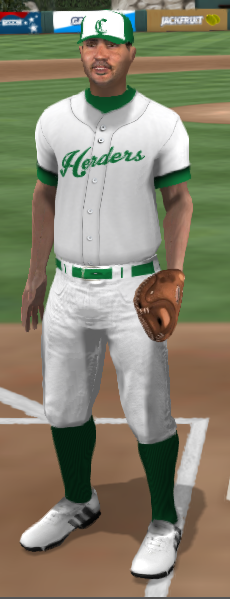
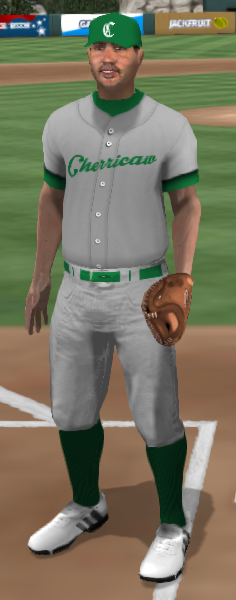
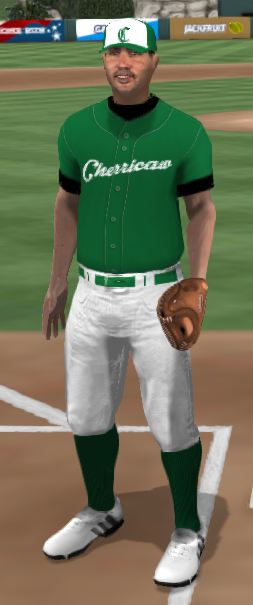
The Cherricaw Herders began in 1917 as a traveling club. They were one of the most renowned teams in the midwest during the touring era. Since establishing a home stadium at the Cherricaw Community Center and entering the UA, the team has grown more closely aligned with the Cherricaw community. The Herders team proudly represents the traditional Speakowan way of life, particularly the importance of agriculture and the workers’ spirit in the face of historical tribulation. The Herders are the only professional team with a public stake in ownership.
UA Division Champions: 1934
Deerborn White Sox
“Go Sox go!”
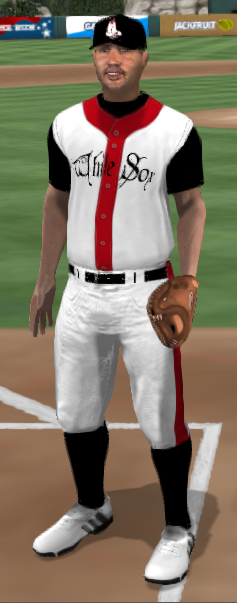
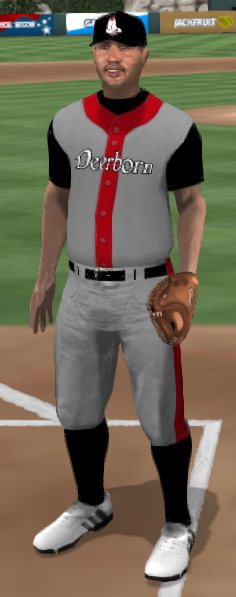
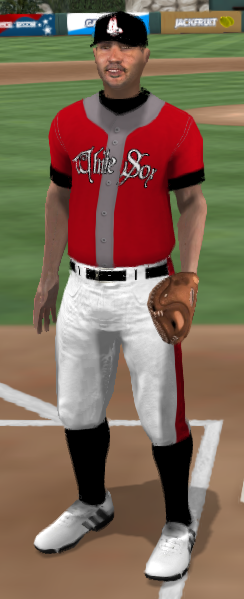
The Deerborn White Sox originally formed in 1915. They existed on and off during the touring era’s peak years, but never gained major popularity outside of the northern lakes region, eventually folding in 1922. When team owner Jacob Case decided to put a team together to enter the UA, he purchased the team name and trademarks from the original ownership. Case was first exposed to the game of baseball when he witnessed a pair of White Sox games while in Redbelt on business. The White Sox team embraces tradition and showcases the history of the touring era with a museum on the grounds of Kostinsky Park, named for the founder of the original White Sox touring team.
Windsor Cup Champions: 1929
UA Regular Season Champions (Davis Trophy): 1931, 1932
UA Wild Card: 1929
UA Division Champions: 1930, 1931, 1932
Delle Stars
“Stars will shine!”
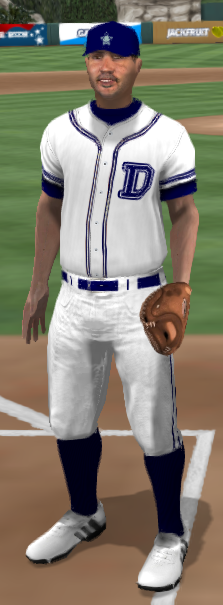
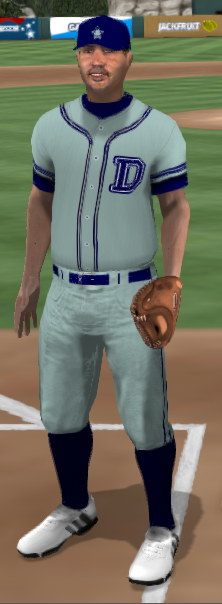
The Delle Stars were the premier traveling team in the southwestern mountain region. They were formed in 1917 and quickly gained notoriety throughout the southwest thanks to the marketing prowess of their owner, Joe Horn. Horn was an innovator in branding and merchandising. The Stars were so influential that before the UA began play, many people associated the game of baseball itself with the Stars signature cap design. Horn was also integral in gathering and organizing team owners and securing funds for the fledgling league. The Stars’ astronomical success in the UA’s early years went on to further solidify their popularity and synonymity with the game itself.
Windsor Cup Champions: 1931, 1932, 1933, 1934
UA Regular Season Champions (Davis Trophy): 1933, 1934
UA Division Champions: 1933, 1934
UA Wild Card: 1928, 1931, 1932
Elderwood Lakers
“Get ’em Lakers!”

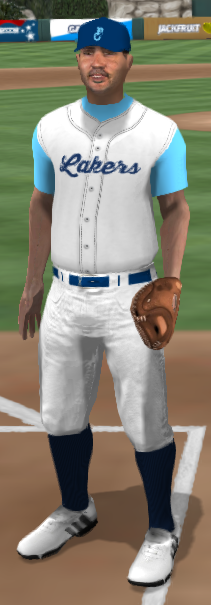
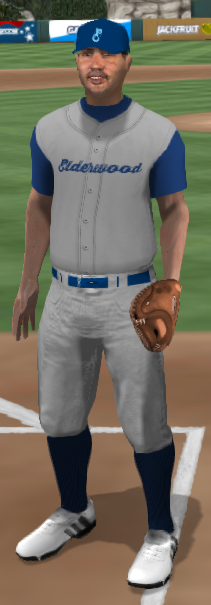
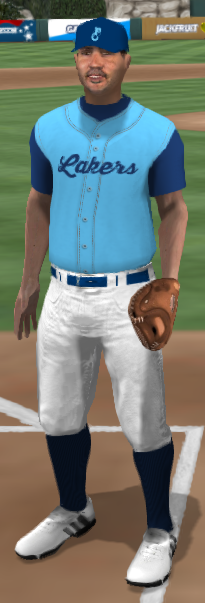
The Elderwood Lakers are a former touring team, owned by Raul Martinezto, a wealthy agricultural heir and noted human rights activist, who has helped set industry standards for the rights of farm workers in the fledgling nation. Martinezto bought the team from the former owners in 1929 to bring it into the NPL. The Lakers were not nearly as widely known as any of the other teams that had jumped from the touring circuit to the pro leagues. Still, the Lakers are traditionally known as a scrappy young team that punches above its weight. When the Lakers would tour, bigger traveling teams that played them would often scout and poach their players. Because of this history, Elderwood fans are some of the most tenacious, but also the most vengeful, with long memories.
Farport Flames
“Flame on!”

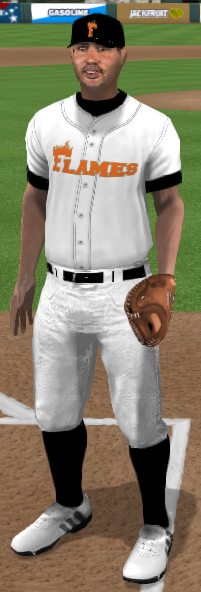
The Farport Flames joined the NPL in 1934 from the defunct Southern League. Farport is a bustling shipping and industrial district on the shore of the Tiny Sea, in Tiny Sea City. The Flames are often thought of as Tiny Sea’s “working people’s team” in contrast to the the Tillers Greys, who represent the wealthy financial district to the east. The Flames rivalry with the Greys goes back to the teams’ time in the Southern League. Team owner Richard Puckett is a notorious hot-head who has been known to fire managers and coaches on a whim. Unlike the Tiny Sea Metros, who are seen as an alternative to the Salvation Brothers with their overt ties to religion, the Flames support and work openly with the Harmonyc Brotherhood.
Gallstone Ropers
“Rustle up a win!”
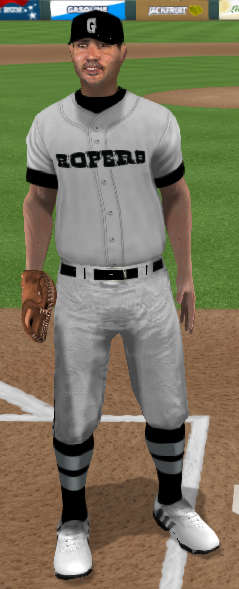
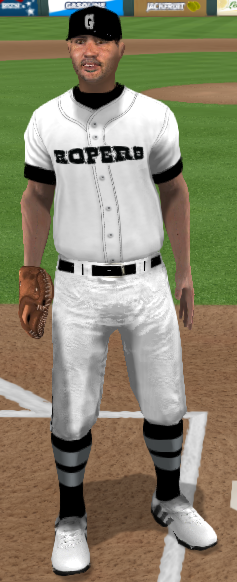
The Gallstone Ropers began in the 20’s as an informal baseball club for area ranch hands that played against various school clubs and touring teams. In 1930, Arthur Peyton bought the grounds of the Ropers’ ballpark to turn it into a livestock auction house. However, Peyton’s brother Jim stepped in and purchased the team. Jim Peyton had looked into starting a team in Petchon, but was unable to compete with the Fishball Collective, owners of the Carp. He brought the Ropers to Gallstone’s Sports Stadium, where they built a local following the Southern League before moving over to the NPL in 1934.
Gandolire Ducks
“Together, We Fly!”
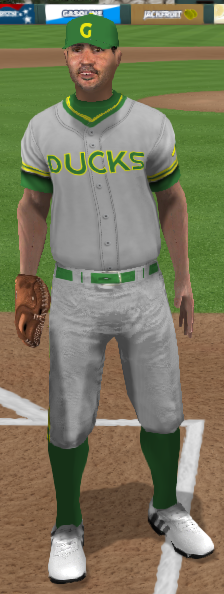
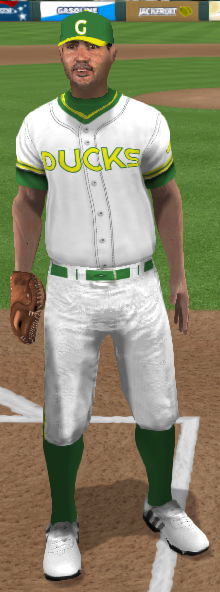
The Gandolire Ducks were a brand new team as part of the NPL’s expansion in 1934. The Ducks are named in reference to the surrounding area’s plentiful hunting grounds and outdoor activities. Gandolire has been called “the outdoor capital of Uplantica”. Team owner Marc Paige has vowed to make the Ducks a winning team, telling reporters at the team’s unveiling press conference that he would do “whatever it takes to get Gandolire to the big stage.” Ducks merchandise was some of the highest selling in the country as soon as their official duds were unveiled in fall of 1933, outperforming many teams in the premiere UA league. Many in rural Uplantica associate the team’s aesthetic with country living in opposition to big city life.
Green Rock Dragons
“Protect the Rock!”

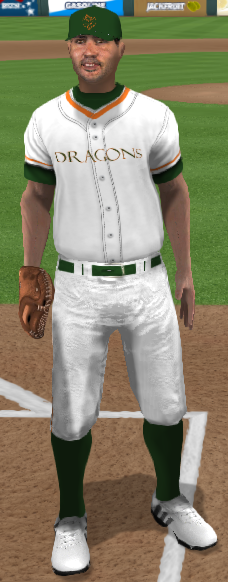
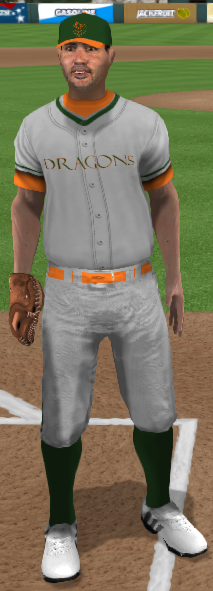
The Green Rock Dragons formed as a new team in the SL in 1933, but played only a partial season that year before the league dissolved and the Dragons moved over to the NPL as part of its 1934 expansion. The Dragons name comes from team owner Bill Shupe’s daughter Glenda’s love of the mythical creatures. The team logo was adapted from a drawing that Glenda gave to her father when she was eight years old. The name is the subject of some controversy, as one local indigenous religious group, the Ink’to’onuul, consider mythical large lizard creatures representative of great evil. The Shupe family moved to Green Rock from Toford, unaware of the connotation among locals. The majority of the native Green Rock community has embraced the team, as the Ink’to’onuul are a small minority group. Still, members of the group can be seen protesting the team outside of most home games.
Kontekia Mystics
“Sing! Sing! Sing!”
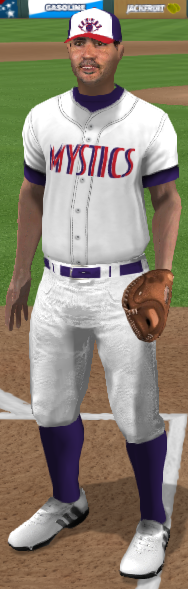

The Kontekia Mystics were known during their time in the Southern League as baseball’s worst team, but they were also known as one of the most fun baseball fan bases in the country. In 1934, they moved to the NPL as part of UUBO expansion. Despite the team’s historic dismal record on the field, River Park Field is known as one of the most exciting stadiums in the game. Mystics fans are known to drink and sing late into the night, win or lose. When asked about the team’s future and the possibility of adopting a more serious identity as they entered the NPL, team owner Eduardo Mokontoya grinned and said “Look, we’re serious about building a winner in Kontekia. But what’s the point of winning if you’re not having a good time?”
Lia Kompos Miners
“Can you dig it?!”
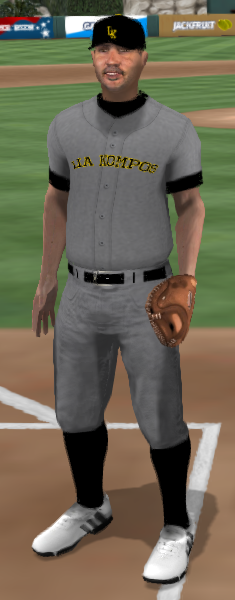
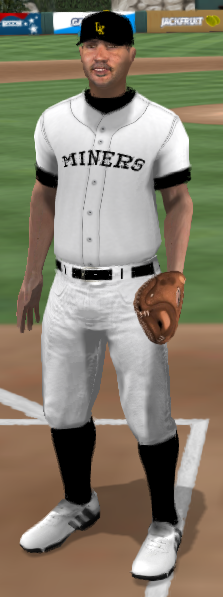
The Lia Kompos Miners were founded in 1928 as a new team for the UA. They were founded by Jonathan Richards, a wealthy industrial heir from Overlook. Despite his affluent background, Richards is well known for his philanthropy and for lending his support to organizations and policies that champion the worker. The team is named the Miners, which reflects the history of the area’s industry, as well as the hard-working population of Lia Kompos.
Lia Puedris Blue Sox
“Think Blue!”

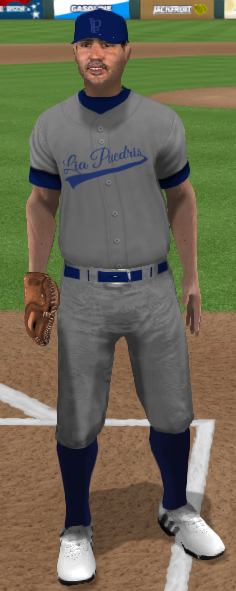
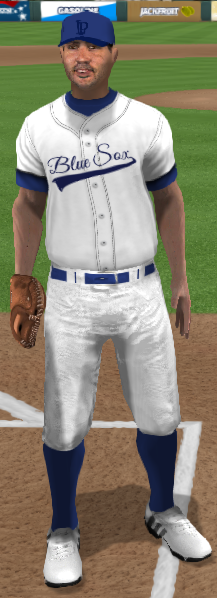
The Lia Puedris Blue Sox are often thought of as the challenger to the Kings’ crown in Lia Puedris. The Blue Sox were actually nominally connected to the city before the Kings, however. The Lia Puedris Blue Stockings were established as an independent semi-pro team in 1929, while the Kings wouldn’t add “Lia Puedris” to their moniker until they entered the NPL in 1930. The Blue Sox spent their time in the SL as a middling team before coming to the NPL in 1934, but their fans are deeply loyal and resentful of the team’s status as second fiddle to the Kings. The Blue Sox play their home games in the ancient Lia Puedris Coliseum, further solidifying their claim to the city they call home.
Lia Puedris Kings
“We are royalty!”
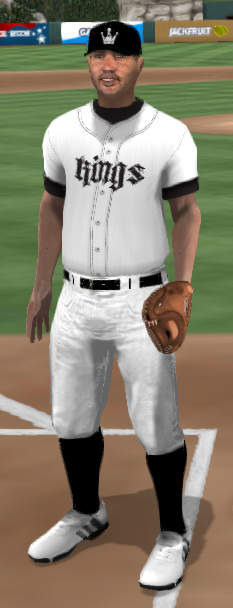
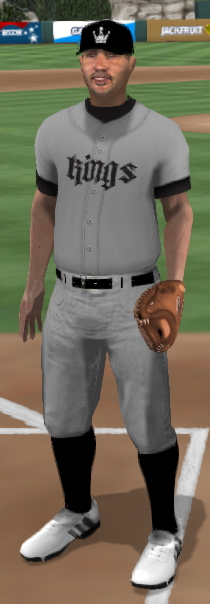
Bert Milner’s Baseball Kings were the most lucrative touring team in the sport. They were arguably the most well-known team in the country, certainly the most popular on the Orestric coast. After the initial success of the UA, Milner joined up with Shannon Mukai’s NPL as their second official team along with the Reapers. Milner appeared with Mukai at the press conference to announce the new league in spring 1929, revealing that the team is now known as the Lia Puedris Kings. The Kings’ presence in the league brings a legitimacy and familarity to the upstart NPL in the eyes of many baseball fans that it might not otherwise have.
NPL Champions: 1934
Northsouth Guardians
“Into the fray!”
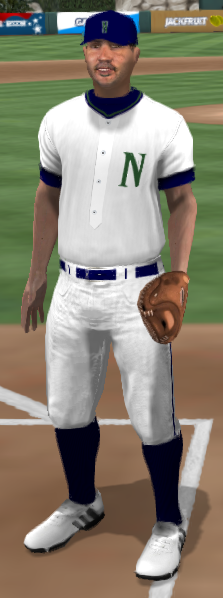
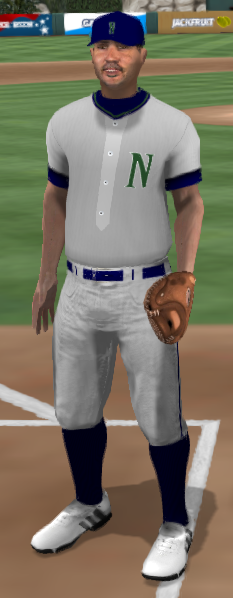
The Northsouth Guardians carry the distinction of being the oldest team in organized baseball. They began in 1911 as a traveling team. They weren’t the most renowned or farthest wandering team of the era, but owner Abel Trefellen gained fame within the traveling circuit for his eccentric personality. Trefellen was only 30 when he started the team. Trefellen made his fortune as an art dealer after spending his youth in and out of legal trouble on the streets of Northsouth. The Guardians are named for Northsouth’s history as a military stronghold during various conflicts on the continent, in reference to the city’s reputation as “Guardians of the People.”
UA Division Champions: 1931
Petchon Carp
“Carp-e diem!”

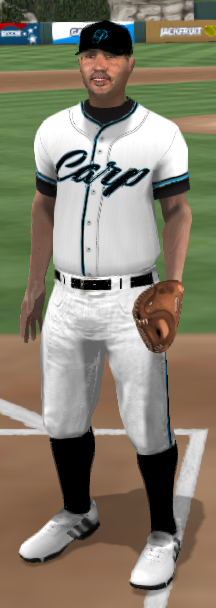
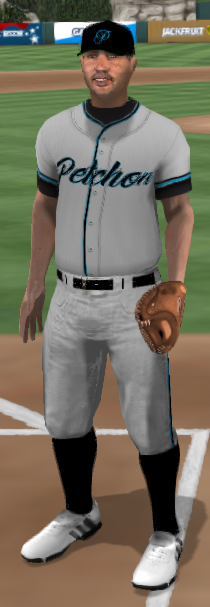
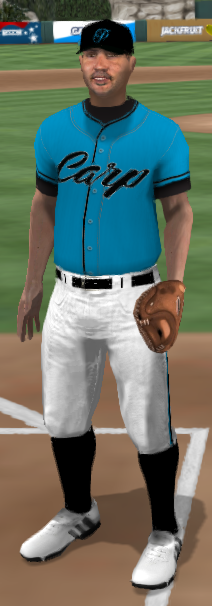
The Petchon Carp are owned by a collective of fishermen along the Petchon Gulf coast, led by CEO Tuimo Amarco. Petchon has the biggest K’Taen community of any city west of the Continental River. Many K’Taen immigrants are involved in the fishing industry, and since the unification of the USU as a nation, continental open trade has made some of the biggest K’Taen-owned fishing operations quite wealthy. Four of the biggest pooled their resources and formed Fishball Collective to put together a team for the NPL. It may seem strange that these huge competitors would team up, but K’Taen communities around the continent have historically stuck together and supported one another in the face of sometimes brutal discrimination over the centuries. This has created a cultural tendency toward diasporic cooperation, even among competitors.
Plains City Reapers
“Reapers cut ’em down!”
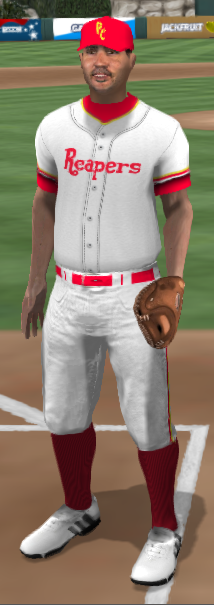
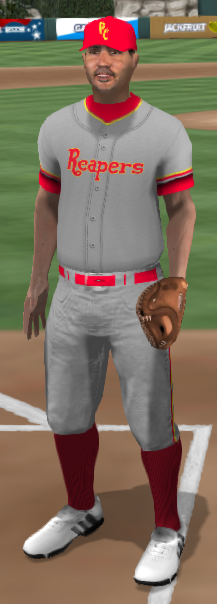
The Plains City Reapers were originally proposed as a UA team by Shannon Mukai. He was denied a place in the league. This rejection set Mukai on a personal mission to be a part of organized pro baseball in Uplantica. He became the commissioner of the NPL, and sold the Reapers identity to Reginald Kingcross, a former track and field star who went on to success and fortune exporting grain from the Huggins plains. The “Reapers” name refers to the region’s farming industry. The Reapers were the first NPL team to be announced at the Mukai press conference in spring 1929.
NPL Champions: 1932, 1933
Platte Bears
“Fear our claws!”
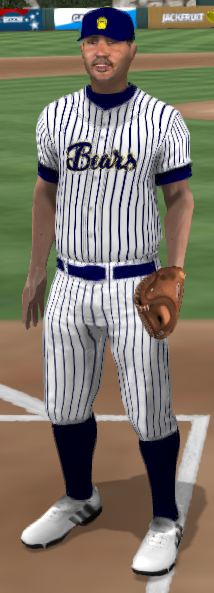
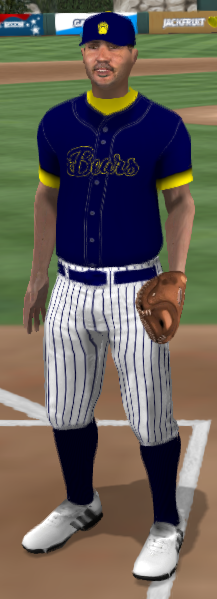
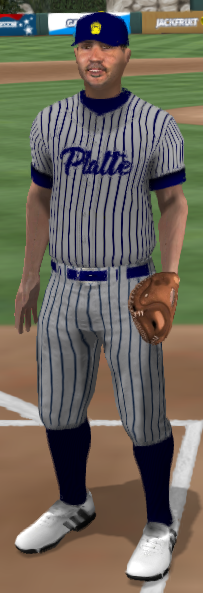
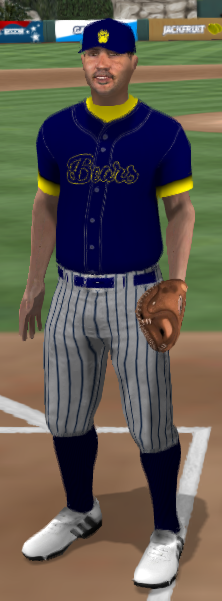
The Platte Bears played in the touring circuit for only 2 years, from 1926-27. Both the Platte Cubs and the Long Pines Travelers faced the prospect of having to cease operations at the end of the summer of 1925. The growing popularity of the game at the time led to an overabundance of touring teams, and the two clubs struggled with losses of talent and profits in the new saturated environment. Owners Jack White and Forest Muugi entered into an agreement wherein White purchased the Pines and combined them with his Cubs to create the new Bears team. Muugi stayed on as general manager. The pair then allied with owners of four other traveling teams to secure funds for Craterview park and gain entry to the UA.
Windsor Cup Champions: 1930
UA Regular Season Champions (Davis Trophy): 1930
UA Division Champions: 1930, 1932, 1933
UA Wild Card: 1934
Prissley Trail Blazers
“Ready for adventure!”
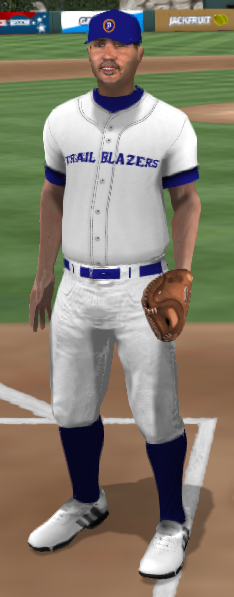
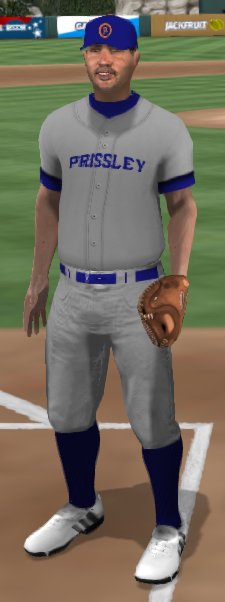
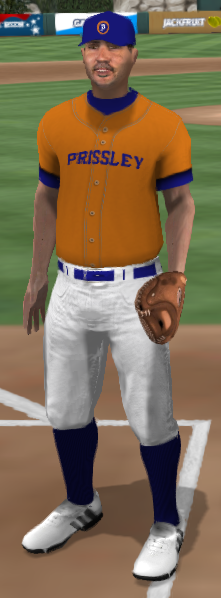
The Prissley Trail Blazers were formed as a new team for the UA. Their founder, Jason Conner, had a hand in running several touring teams in the decade before the Trail Blazers debuted. Most recently, Conner had partnered with Wesley Sullivan to manage the front office of the Thundaru Juniors. When Sullivan left the team to start a UA team in Railey, Conner attempted to continue the partnership. However, Sullivan was unreceptive. As a result, Jason Conner turned to Prissley, across the Continental River from Railey and started the Trail Blazers. The Trail Blazers name references Prissley’s history as a gateway for the exploration of eastern Uplantica.
Railey Rivals
“Railey Rivals romp!”
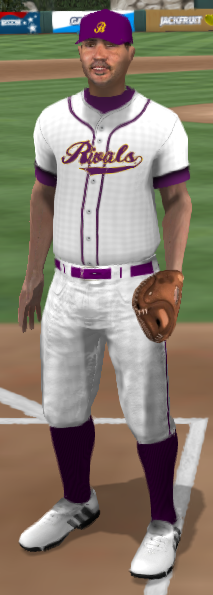
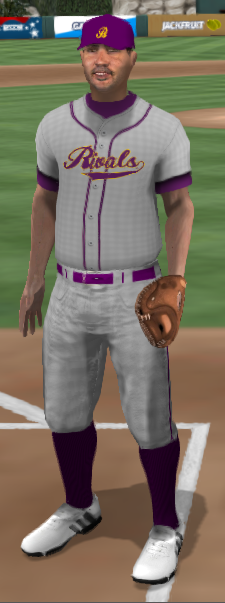
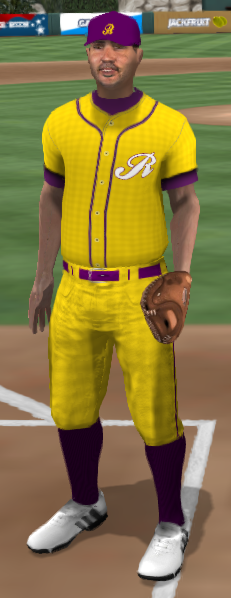
The Railey Rivals were started for the UA by owner Wesley Sullivan after a stint running the Thundaru Juniors local team. He ran the Juniors along with Jason Conner, who became the owner of the UA’s Prissley team. Sullivan has never commented on it publicly, but it is widely believed that the Rivals name glibly refers to the bad blood between Sullivan and Conner. The Rivals are perhaps most known for their gingham patterned uniforms. The checkerboard pattern is a customary signature of artisans in the Railey area.
Redwood Owls
“Terror of the skies!”
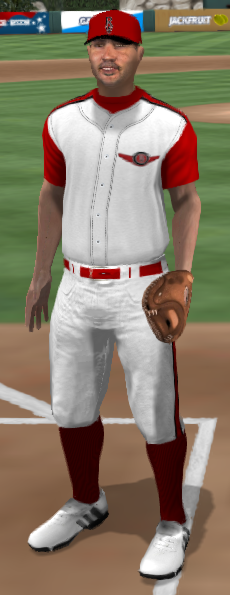
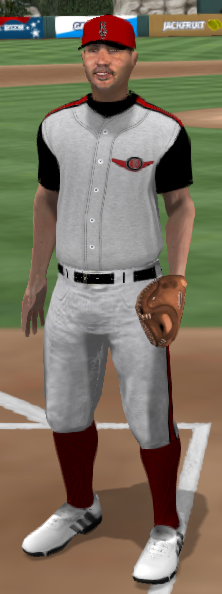
The Redwood Owls were founded by former Yeshugg City mayor, Jim Tracy. Tracy picked up a love for baseball during his term as mayor when the city brought the Cherricaw Herders to town for an exhibition in April of 1920. He wanted to bring a UA team to Yeshugg, but UA leadership preferred to place clubs in the western half of the continent, where the game had already gained more popularity. The city of Redwood offered Tracy a deal on land to build Orestric Park, and the Owls were born. The Owls name is a reference to local wildlife, and the team’s branding nods to the owner’s love of aviation.
UA Division Champions: 1934
Riverside Captains
“Yo ho, yo ho! To the ballpark we will go!”

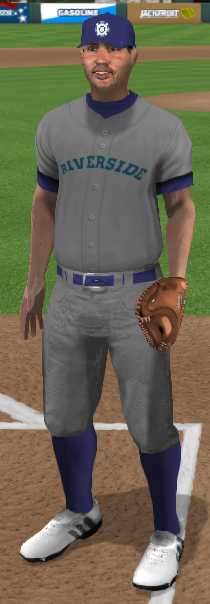
The Riverside Captains were a brand new NPL team as part of UUBO expansion in 1934. Team owner Sergio Merkado tried, unsuccessfully, to bring a pro baseball team to Riverside in both the UA and NPL before finally breaking through with the Captains as an expansion team. Merkado has had a golden touch in his endeavors in the tobacco and hemp businesses. His companies have a reputation of being among the best places to work, and his financial success is undeniable. Time will tell if his penchant for winning extends to the baseball field.
Roland Stags
“Run with the Stags!”
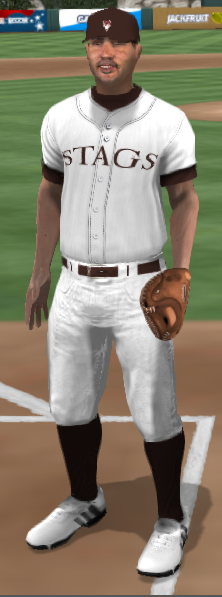
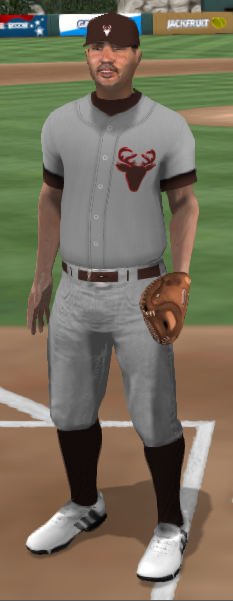
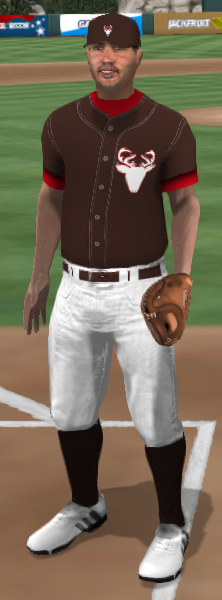
The Roland Stags were the UA’s first official team. Owner Donald Ridha was the first to sign his name to the league charter at a 1923 meeting between UA leadership and prospective owners in Tiny Sea City. Ridha had no history in baseball. His involvement was purely a business investment. However, his willingness to enter into the league eased tensions for other prospective owners who were nervous to commit to the UA’s requirement that each team maintain a home stadium. The Stags name and logo are inspired by Ridha’s love of the outdoors.
UA Regular Season Champions: 1928, 1929
UA Division Champions: 1928, 1929
Salvation Brothers
“For Salvation!”
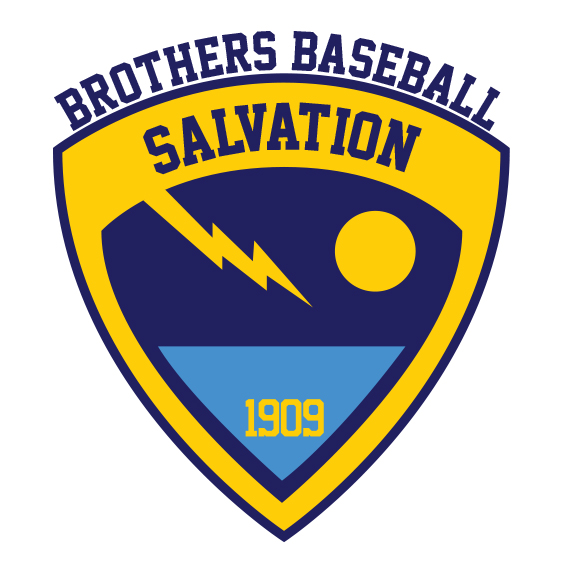

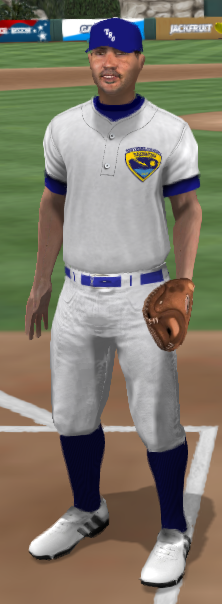
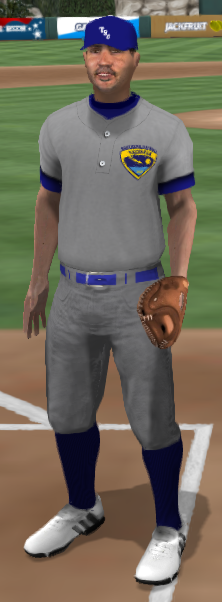
The Salvation Brothers represent the Harmonyc Brotherhood’s athletics division. “Salvation” is the orthodox name for Tiny Sea City. While the team isn’t owned by the Brotherhood itself, original team owner George Hader was a lifelong devoted follower of the Brotherhood’s teachings. He purchased the team’s name and logo from Brotherhood leadership for an unknown sum. In 1930, he sold the team to Jon Walsh, one of the richest men in Uplantica, an outspoken proponent of the HB, and one of the church’s largest donors. He is also the son of Brent Walsh, one of the original creators of the HB’s national public athletic outreach program in 1909. The team marks its founding as 1909, however this date refers to the Brotherhood’s public athletic program in general rather than the specific Salvation Brothers professional baseball team, who began play in 1928. While the team shares close ties with the Brotherhood, it employs non-HB staff and players with no religious restrictions or requirements.
Windsor Cup Champions: 1928
UA Division Champions: 1928, 1929
UA Wild Card: 1930
Taawa Chargers
“Charge! Charge! Charge!”

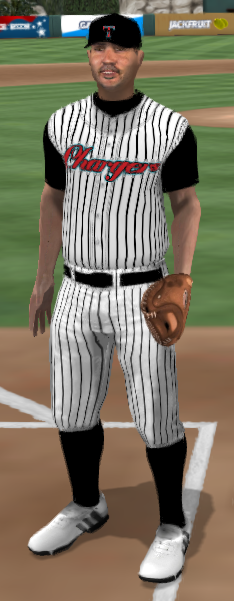
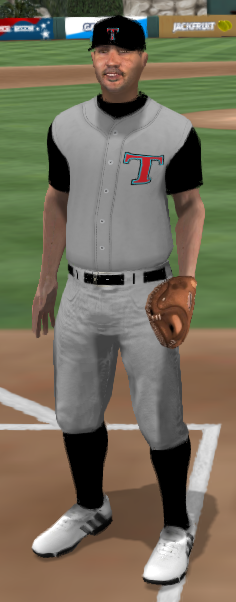
The Taawa Chargers were one of the first teams to establish a home stadium. Eccentric Taawa local Lowki Sapfoot built his own stadium in the shadow of the Skantias Mountains after inheriting the land from a distant relative. At first, Sapfoot Stadium hosted games between various traveling teams. However, Sapfoot eventually leased the stadium to his friend Jorge Olufemi to establish a non-traveling team. The Chargers debuted as a “home team” that hosted traveling teams for local audiences in 1920. The new approach was a success, and the Chargers joined the UA for its inaugural season in 1928.
Jorge Olufemi sold the team to Taawa local Micah Thurman after an absolutely dismal 1929 season. In the past Thurman has lobbied the Chargers to use his company’s branding in their promotional materials and has been a proponent of on-field advertising opportunities. After his first year as owner, Thurman attempted to rename Sapfoot Stadium after a paid sponsor, but league owners voted narrowly against allowing UA entities to be named for third-party companies. For the 1931 season, Thurman’s Chargers added turquoise to their color scheme for the first time.
Tillers Greys
“Tradition, Integrity, Victory!”

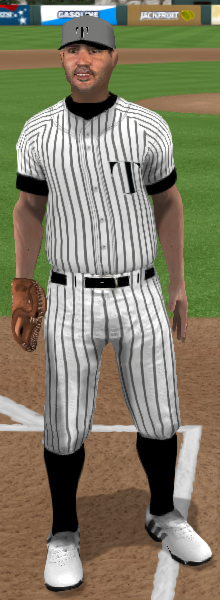
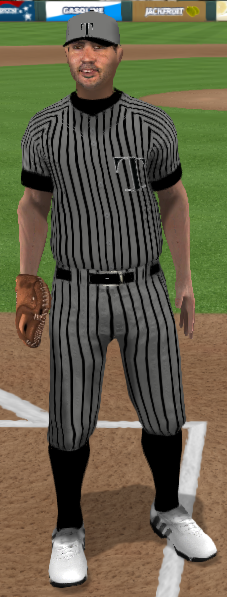
The Tillers Greys joined the NPL in 1934, leaving the failed Southern League. The Greys play in Tiny Sea’s Tillers financial district. The Greys are older than most teams; they were founded in 1915 as part of an elite sports club for the wealthiest families in Tiny Sea, before becoming a pro baseball team with the Southern League. They have a rivalry with the Farport Flames that dates back to their time in the SL. Like the Flames, the Greys support and work with the Harmonyc Brotherhood, like nearly all businesses in Tiny Sea City.
Tiny Sea Metros
“Big city baseball!”

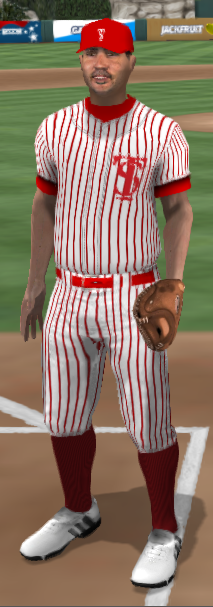
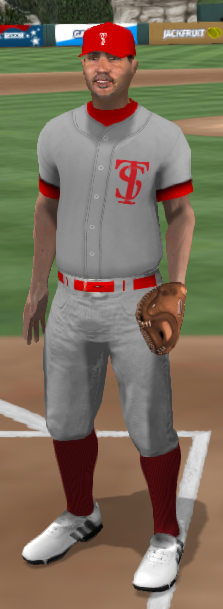
The Tiny Sea Metros are looked at by most as the team representing the secular population of the city, in contrast with the Salvation Brothers of the UA with its ties to Harmonyc Brotherhood church. The “Metros” name is a reference to the sprawling population of millions in Tiny Sea City, by far the largest city in Uplantica. The Metros are a demonstration of the outside influence on Tiny Sea since the founding of the USU in 1902. Before the new nation’s existence, the HB did not tolerate alternatives to their own institutions. Owner Pablo Jaramiko has publicly challenged the Brothers to an exhibition series to benefit poverty in the city, but the Brothers organization has not responded.
UA Wild Card: 1934
Trimble Toppers
“Loving the view from the top!”



The Trimble Toppers were originally pitched to the UA, but were denied. At that time, they were to be the “Platte Toppers,” and the UA decided to go with the Bears as its team in Platte. Team owner Mark McDonald moved the operation southwest to Trimble to debut as an NPL team in 1930. The “Toppers” name is short for “Hill-Toppers,” the name of McDonald’s high school’s mascot in Platte. The name works well for a team in Trimble as well, as the mountain city is known far and wide for its beautiful vistas and proximity to outdoor recreation.
Wight Spiders
“Beware the bite!”
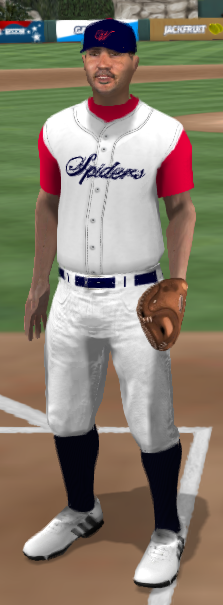

The Wight Spiders are another story of baseball vengeance in the NPL. Team owner John Kent played for the Deerborn White Sox before they became a UA team. He was arrested while on tour in Roland, on what turned out to be trumped up charges. According to Kent, the team left him behind and when he finally caught up with them a few days later they informed him that they had released his contract, leaving him stranded far from home without the means to buy his way back. He took his fierce competitor’s spirit across the lake to Wight and made a fortune in publishing, an industry in which his merciless approach was feared throughout the region. The resurrected UA version of the White Sox offered Kent a share in ownership, which he refused, saying “I would rather swim across Lake Woodlyn, naked, in January, than work in a building with Maurice Kostinsky’s name on it.” John Kent is a passionate competitor with a chip on his shoulder, and the “Spiders” identity reflects Kent’s desire to be a dangerous pest to his adversaries.
 Uplantic Sports Today