

Carver Bannarets * Cherricaw Colts * Crawsburgh Comets * Deerborn Giants * Gandolire Jewels * Plains City Scouts * Prissley Riverwolves * Railey Colonels * Riverside Ramblers * Roland Aces * Salvation Brothers * Thundaru Lightning * Tiny Sea Tippers * Wight Spirits
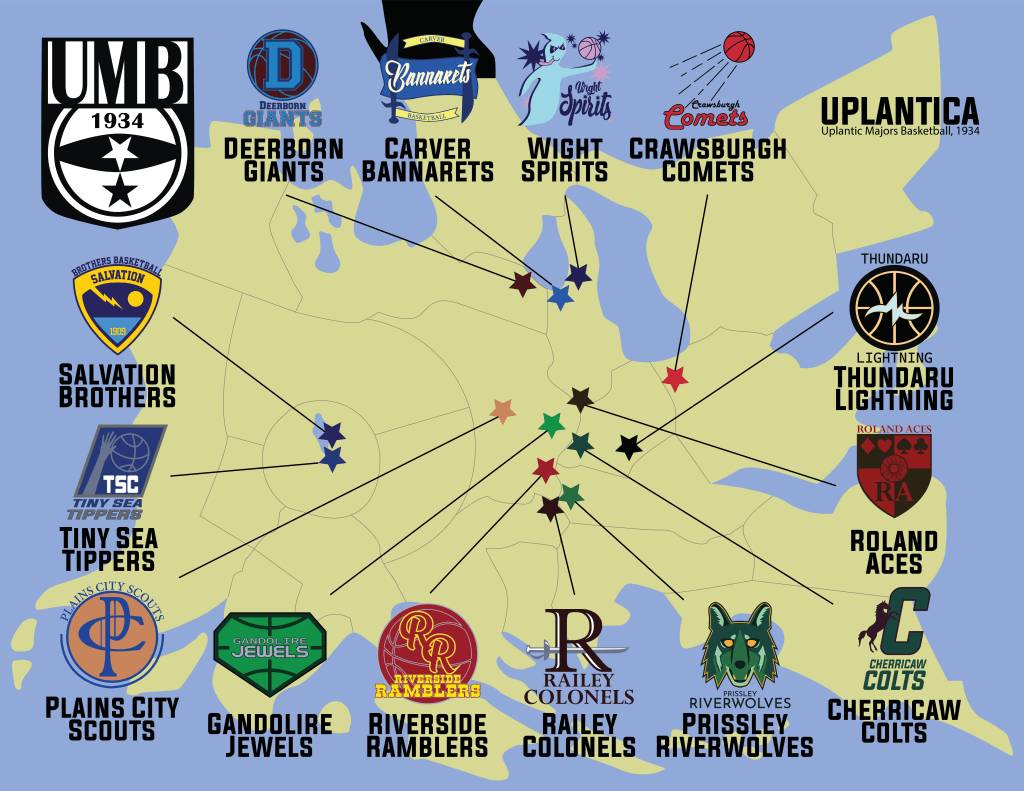
With the success of professional baseball and football across Uplantica, George Hader (original owner of the Salvation Brothers UUBO baseball team), founded the Uplantic Majors Basketball league with its inaugural season taking place in 1934-35. The league began with fourteen teams primarily focused around the Uplantic midwest region. Basketball lacked popularity outside of the midwest before the UMB’s founding, but with Hader’s connections to Tiny Sea City, two teams in the nation’s largest market put more eyes on the sport than ever before.
The UMB league is divided into the Eastern and Western Divisions, with seven teams in each. At the end of each Regular Season, the top three teams from each division enter the UMB Playoffs, with the top-seeded team from each division earning a bye to to their respective Division Championship series. The WildCard round is a best-of-five games series, while the Division Championships and UMB Finals are best-of-seven.

The Continental Cup is awarded to the winners of the UMB Finals each season. The trophy was named by UMB founder George Hader, reflecting his ambitions for the league to take basketball from a regional game to a continent-wide sensation.
UMB Teams
Carver Bannarets
“Protect the Kingdom!”

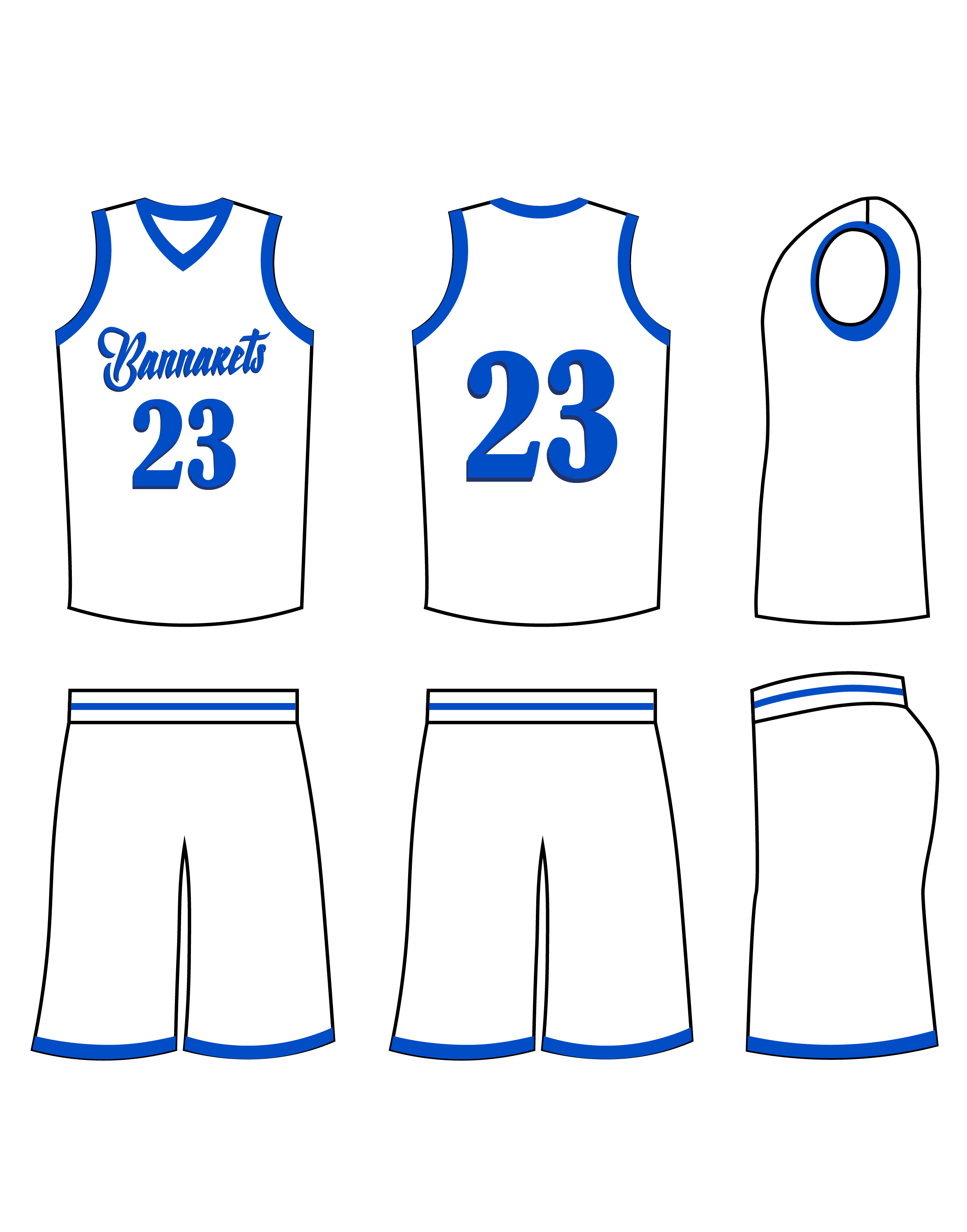
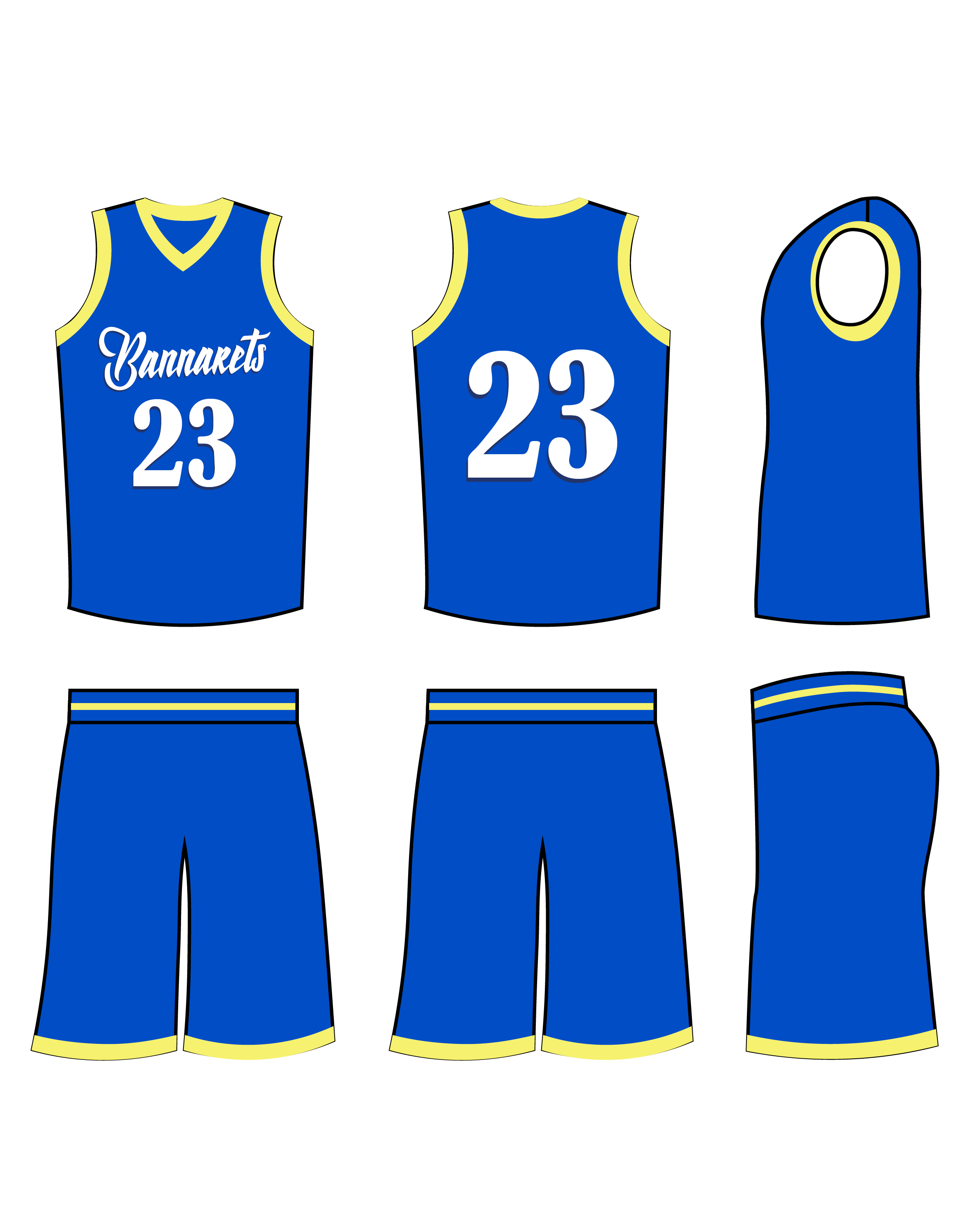
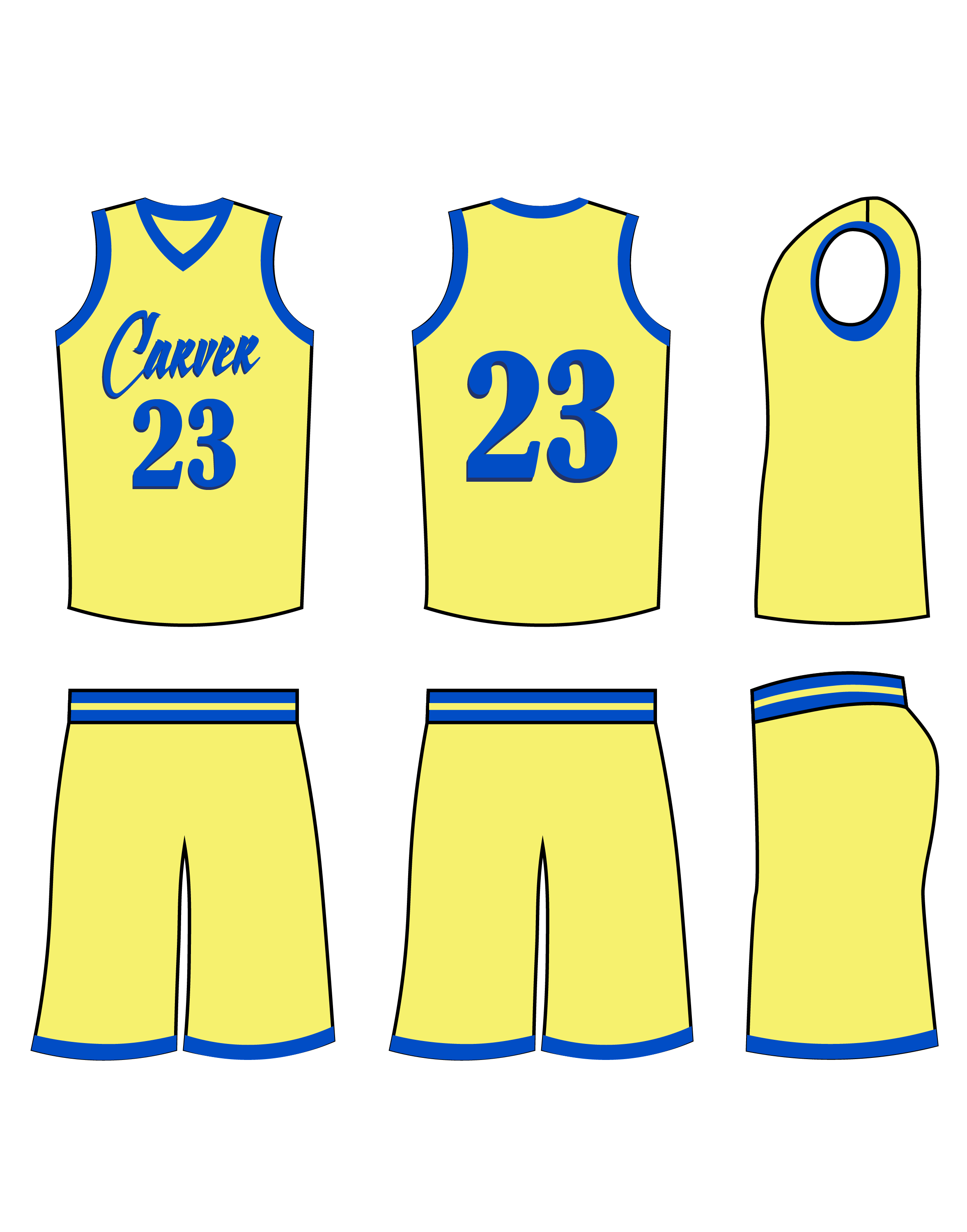
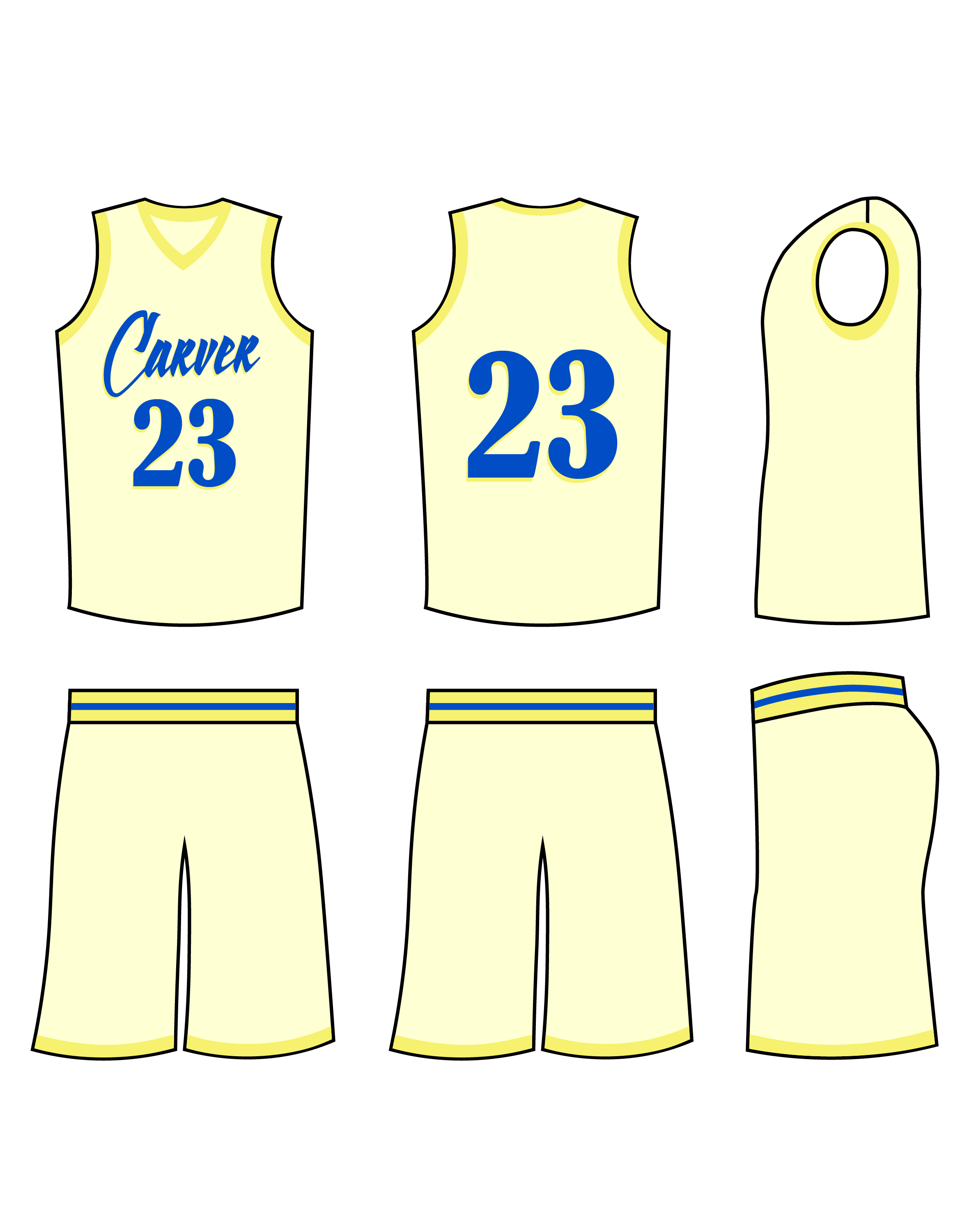
Former banking executive Chris Len expanded his Carver athletic empire to the basketball court in 1934 with the Carver Bannarets. Len also owns the Bulldogs football team and the Canaries baseball team. When he first came to Carver and founded the Canaries, Chris Len was an outsider whose Tiny Sea City sensibilities tended to clash with Carver’s more laid back local style. After a few years of Canaries baseball and Bulldogs football, Len has left his stamp on the local culture and in turn become a local fixture.
The Bannarets are named for the elite knights that protected the royal court of King Carver of Huett III in the 12th century.
The city of Carver’s rivalries with Wight and, to a lesser degree, Deerborn are alive and well in the UMB. The Bannarets and the Wight Spirits are bitter nemeses in the Eastern Conference.
Cherricaw Colts
“Our Pride is Our Guide!”
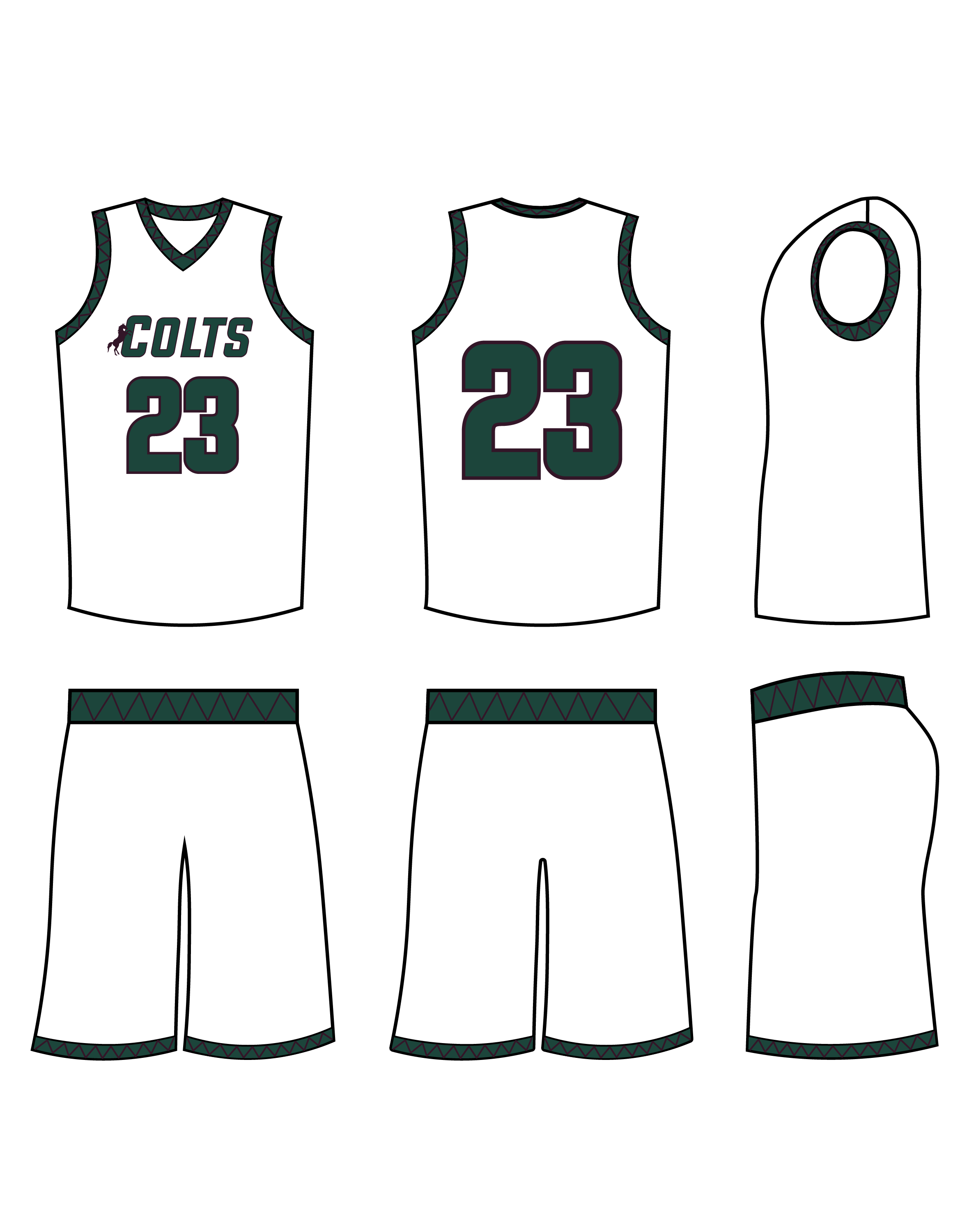
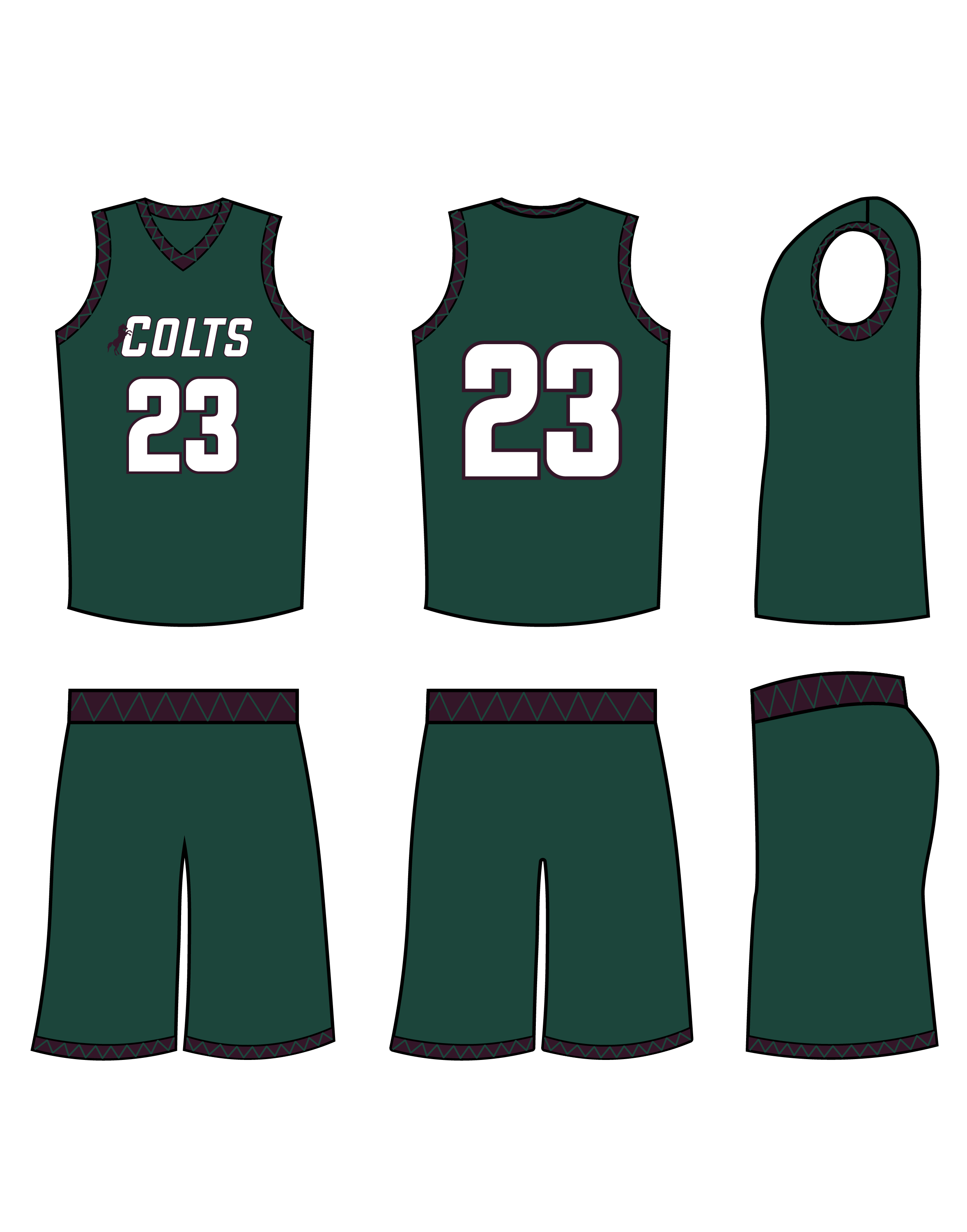

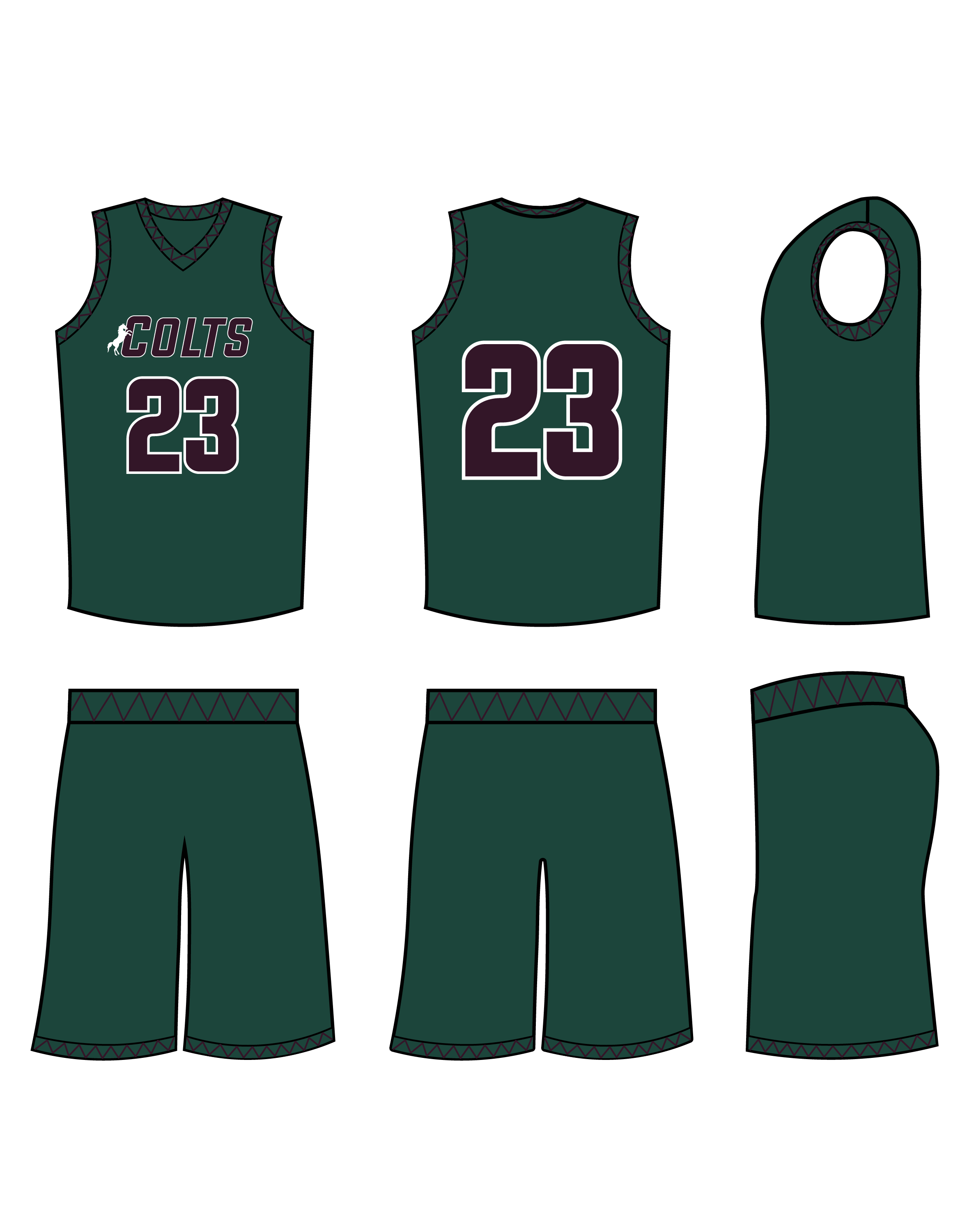
Like baseball’s Herders, the Cherricaw Colts are closely tied to the local community in Cherricaw and are one of just two UMB teams with a public stake in ownership.
The team is named for Albert “The Colt” Darwin, a Speakowan boxer who famously knocked out the Treven heavyweight champion Trent Lucas in 1917.
The Colts play in the Community Center Arena, a site going back over 1200 years to the founding of the nation state of Speakowa. The ancient meeting site has featured the some version of the field house structure for at least the last 200 years, with the arena having been most recently renovated and updated for spectator sports in 1934.
Crawsburgh Comets
“Shoot for the Stars!”
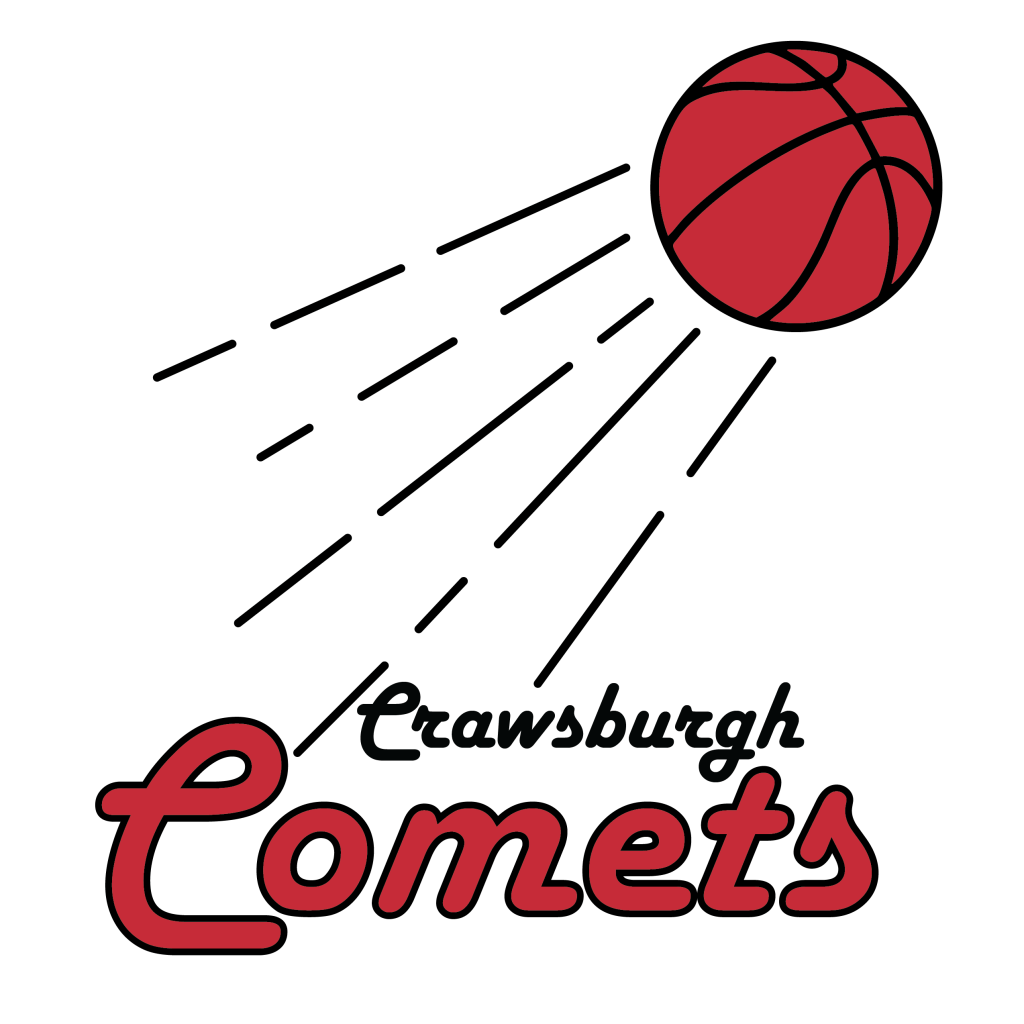
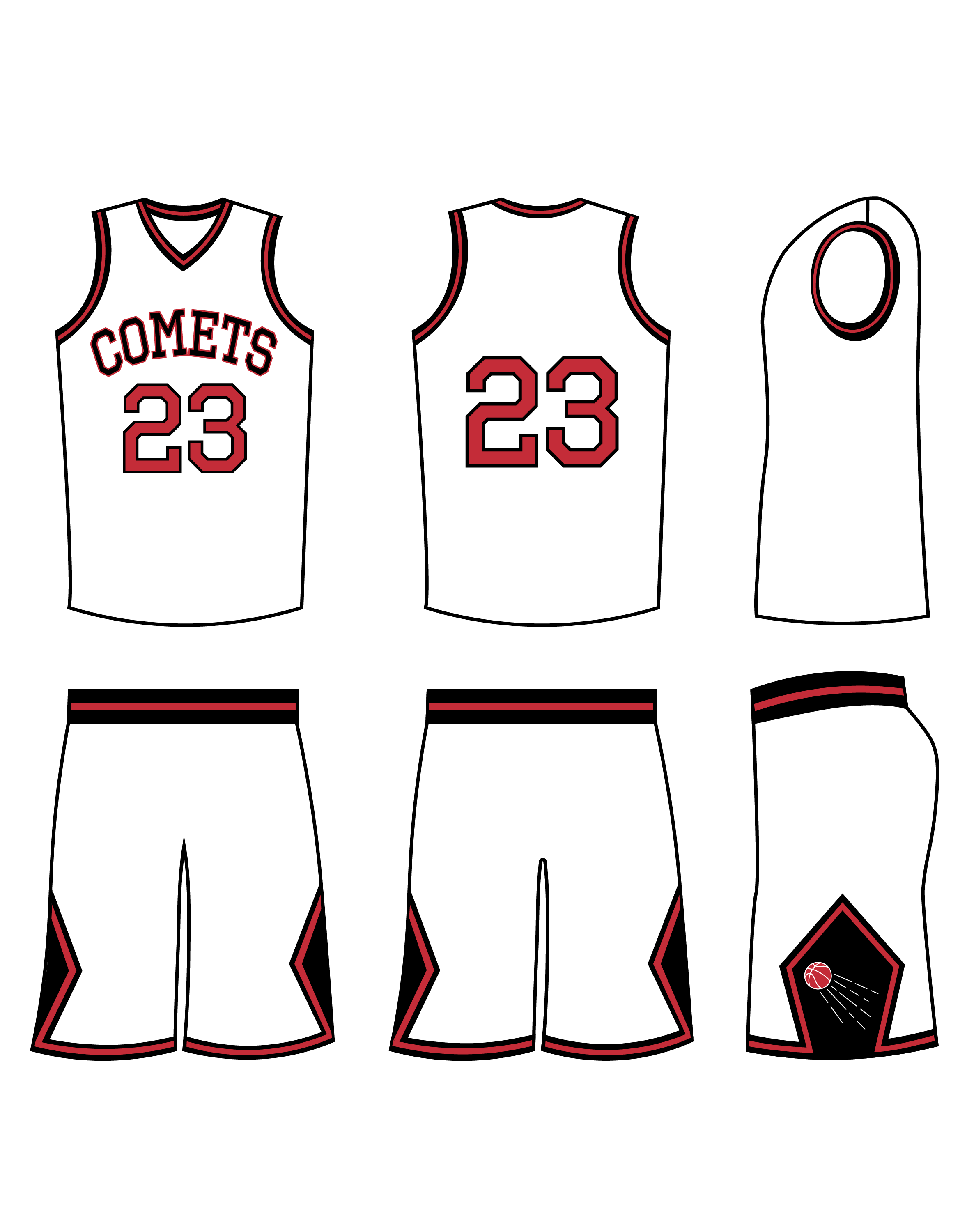
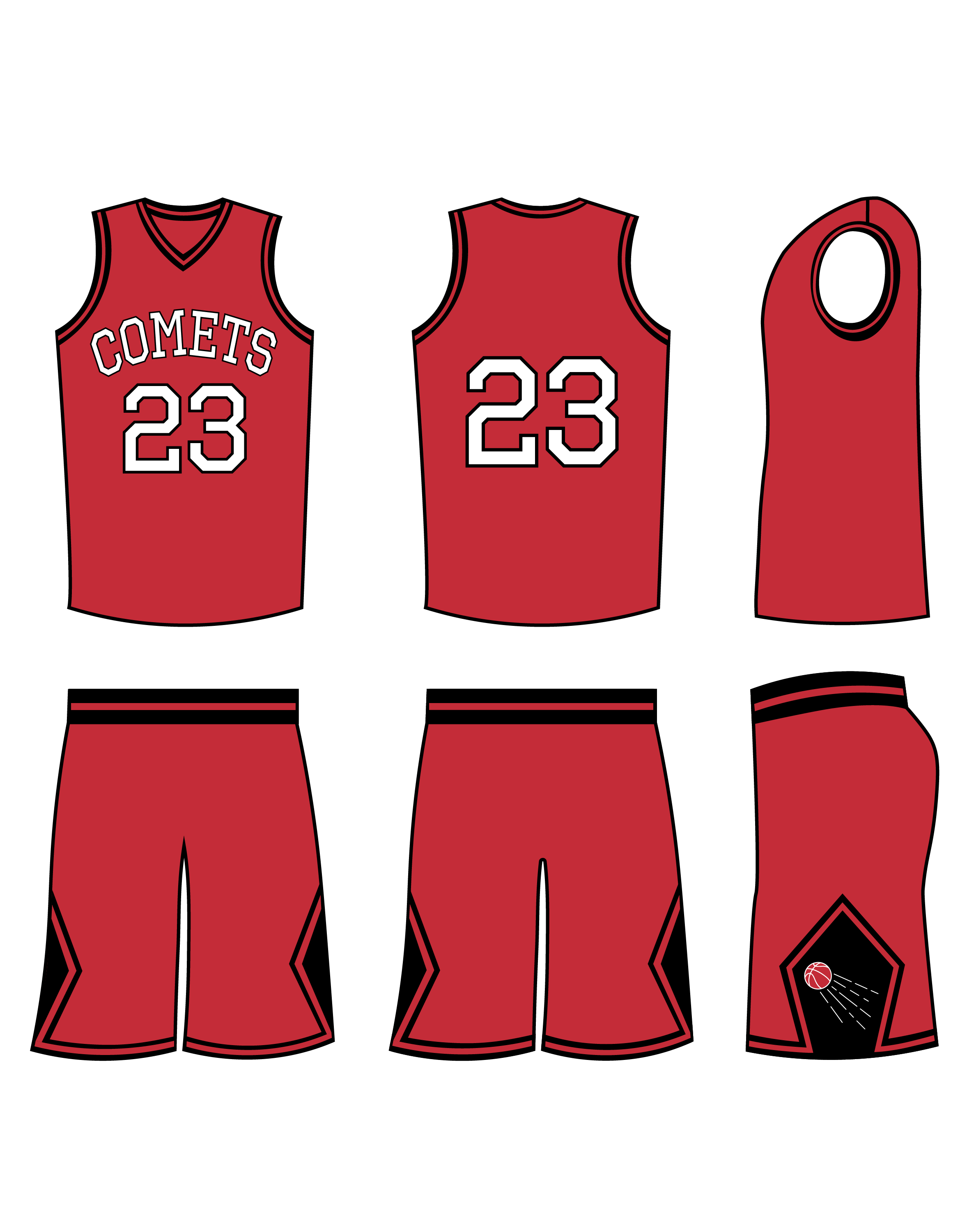
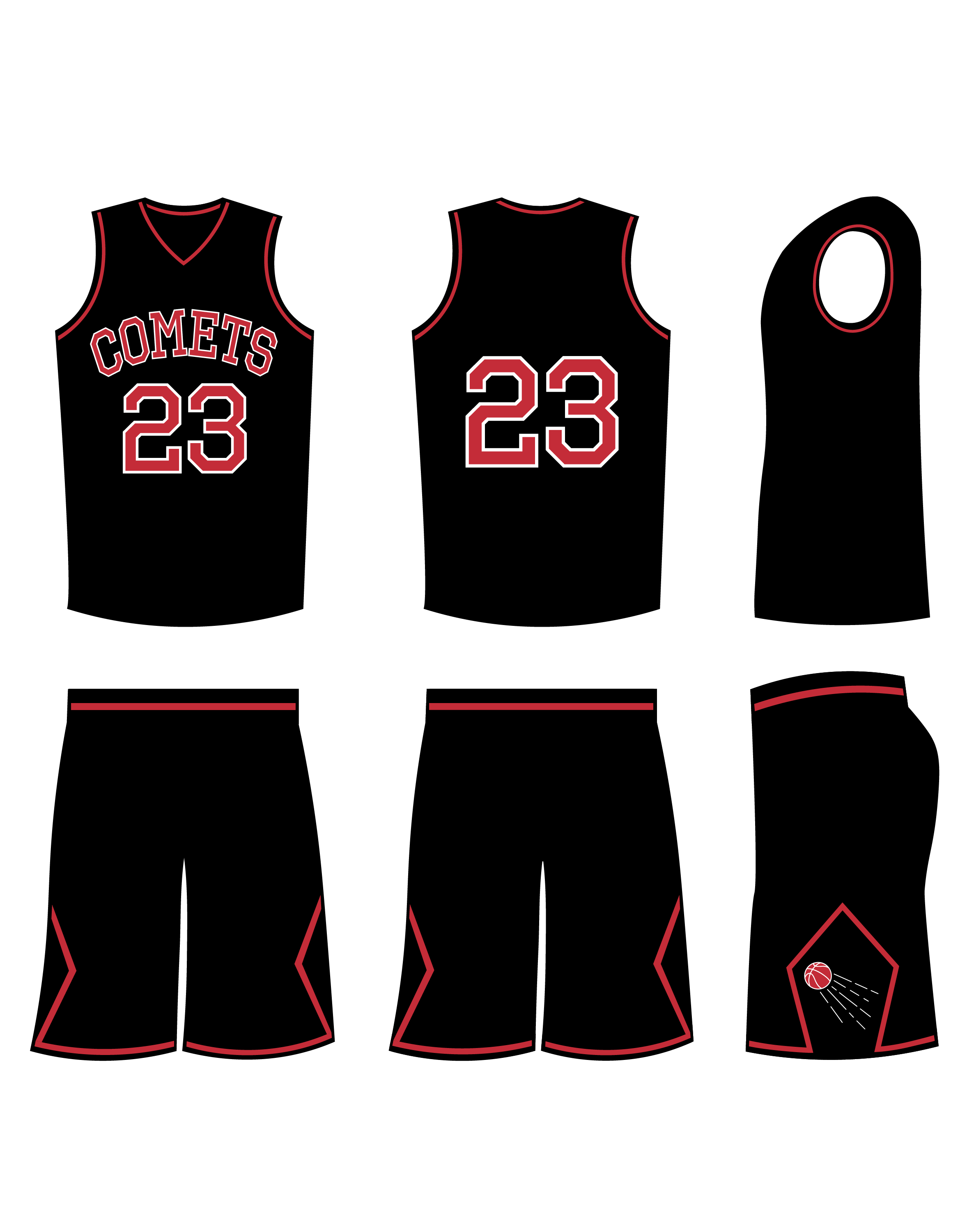
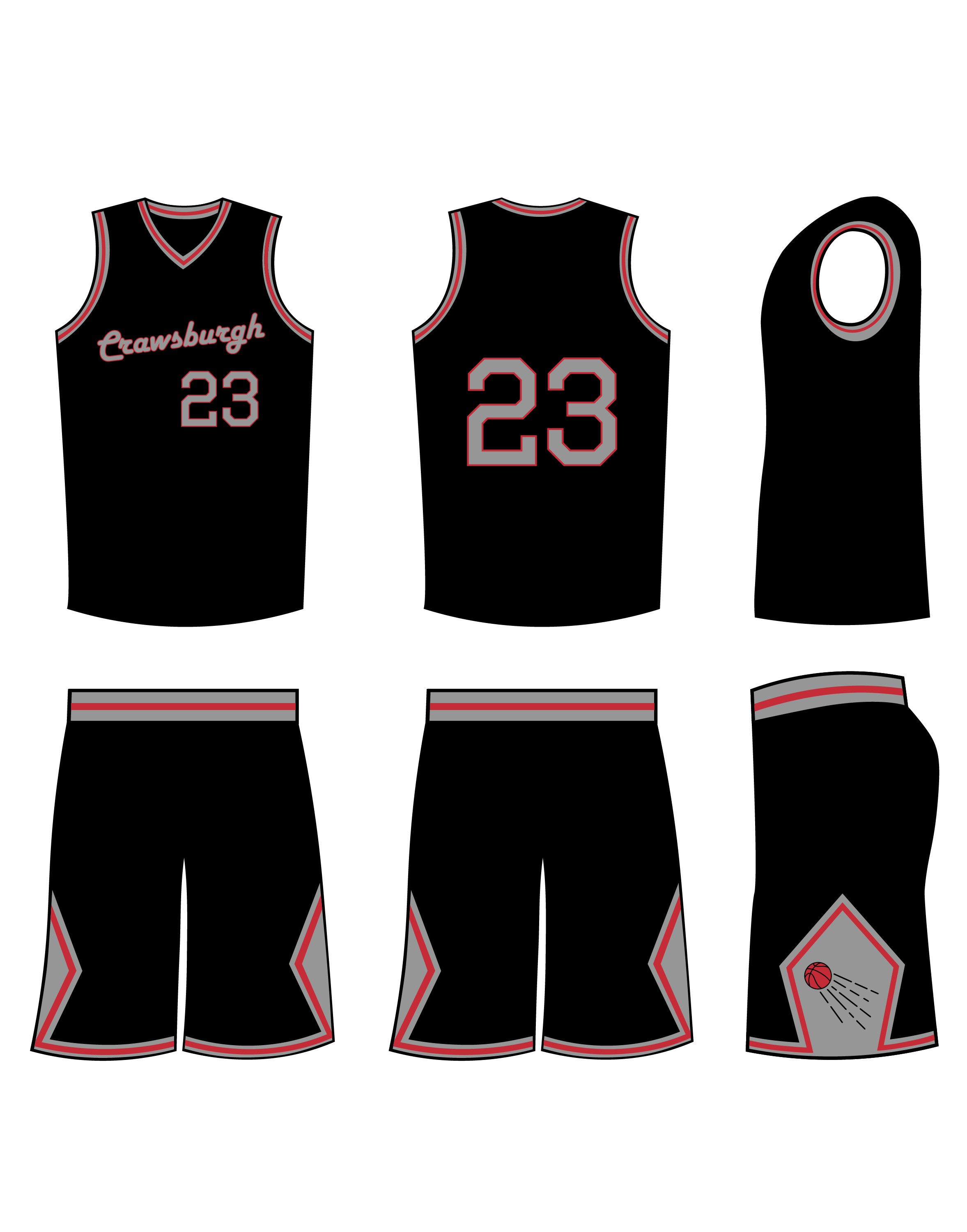
The Crawsburgh Comets became the most eastern-lying professional sports team in Uplantica with their founding for UMB’s inaugural season in 1934. Team owner Greg Tracy, steel industrialist and brother of former Yeshugg City mayor Jim Tracy, used his wealth and influence to make the Comets a reality. Greg Tracy helped bring basketball to prominence by founding one of the first intercollegiate teams as a player-coach at Crawsburgh University. He had originally been tapped as a consultant by the new league’s founding commissioner George Hader, but decided to turn down the job in favor of starting his own UMB team as owner and general manager.
The Comets name refers to the falling star motif decorating historic downtown Crawsburgh. Legend has it that the pre-emergence civilization located at present day Crawsburgh was founded when the ancestors witnessed a shooting star and took it as an omen of future prosperity. The falling star symbology has been found in ancient ruins around the Crawsburgh area and its use has continued into the modern day.
Deerborn Giants
“Big City Basketball!”
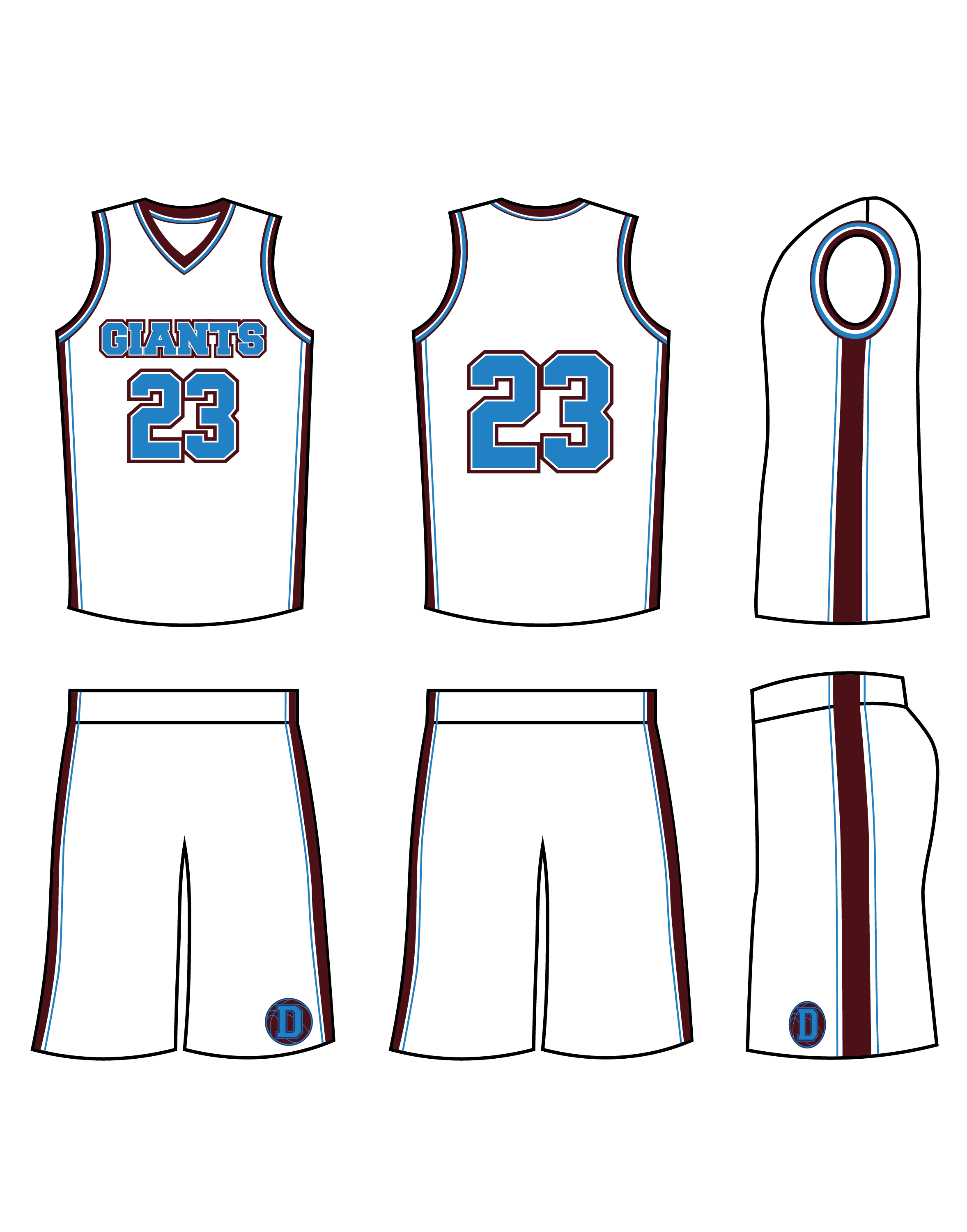
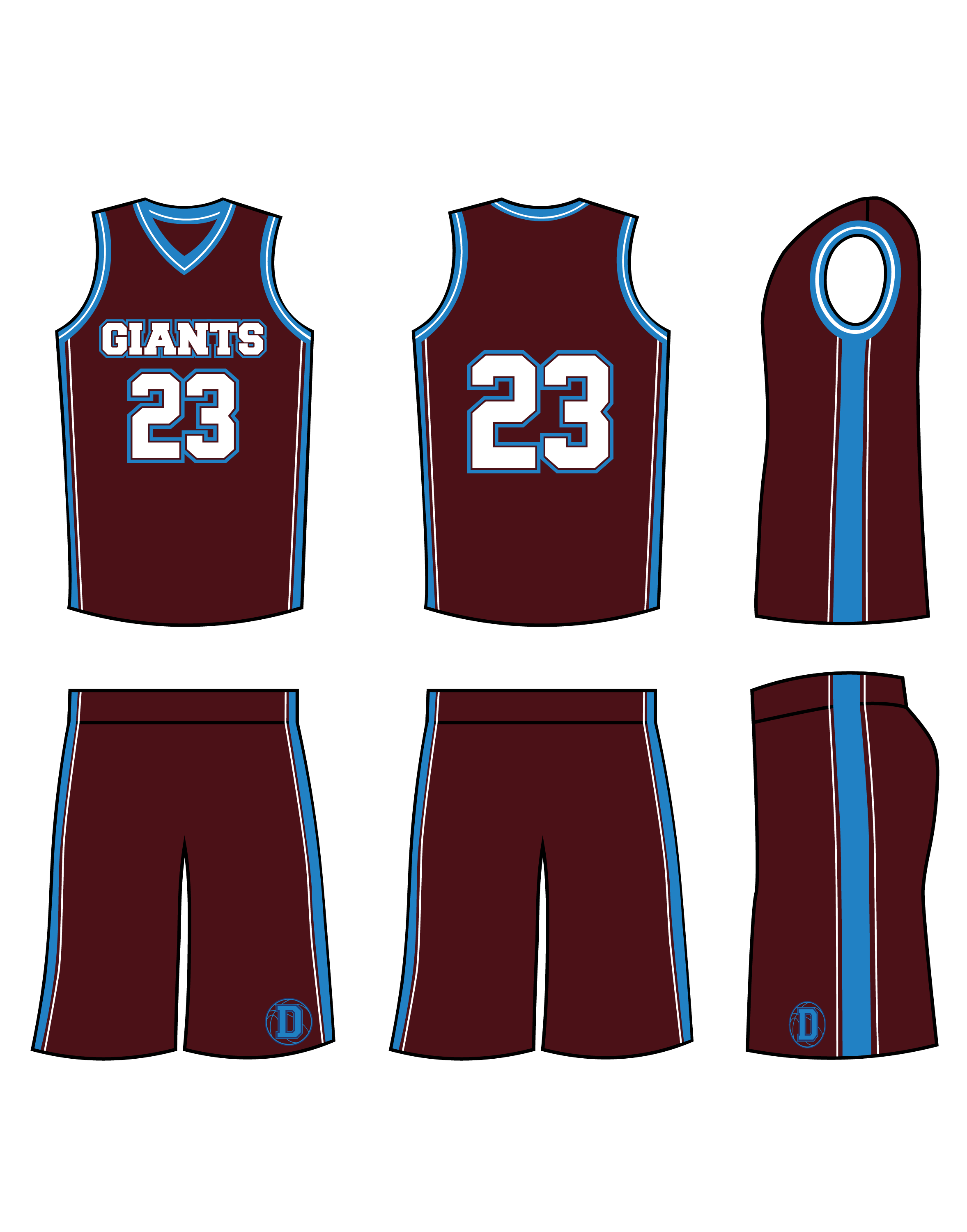
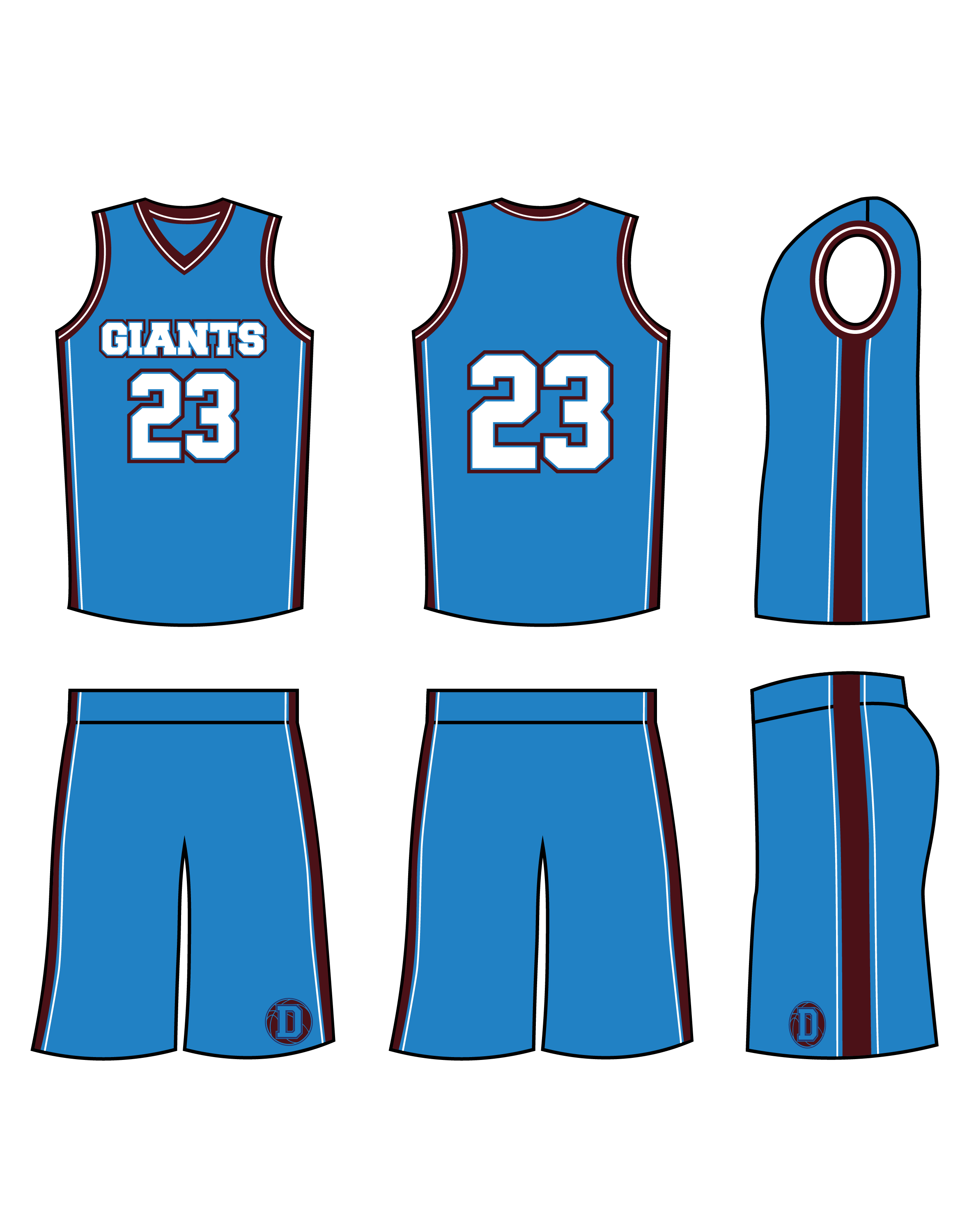
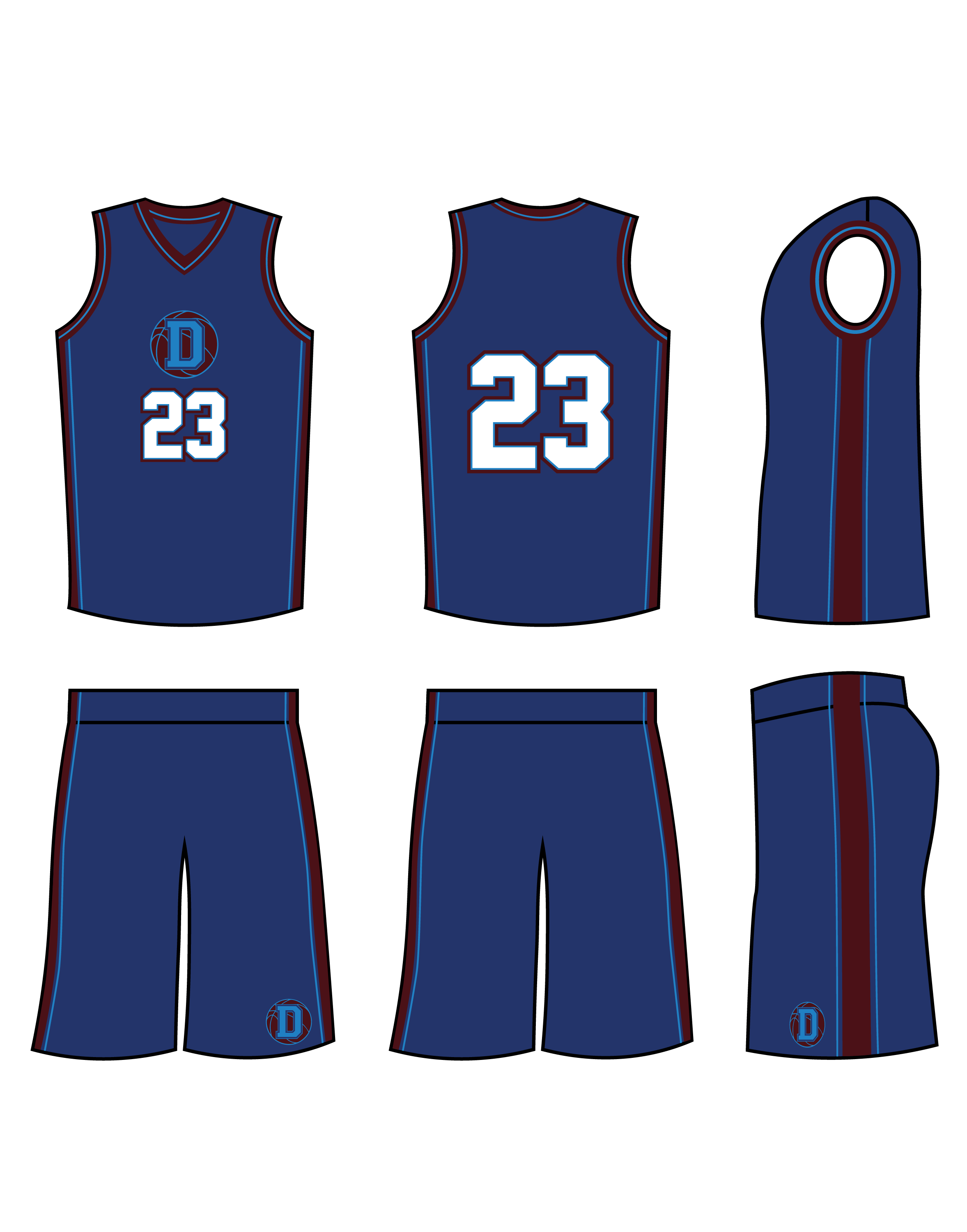
The Deerborn Giants are owned by Terry Dickson, a wealthy heir who is married to Anna Kostinksy, the daughter of Deerborn legend Maurice Kostinsky. The Giants play in Kostinsky Arena, dedicated to the late founder of the original White Sox baseball team. The arena was newly opened in 1934 in an area comprising Kostinsky Park and Gryphons Stadium (home of football’s Gryphons), as well restaurants, shopping, and entertainment venues, dubbed Kostinksy Plaza.
The Giants name is a nod to Deerborn being the largest city in the Northern Lakes region. Just as Kostinsky Park contains a museum showcasing baseball history, Kostinsky Arena contains a large exhibit detailing the origins of basketball in the Uplantic Midwest and the founding of the UMB league and Giants team.
Gandolire Jewels
“Shine On!”
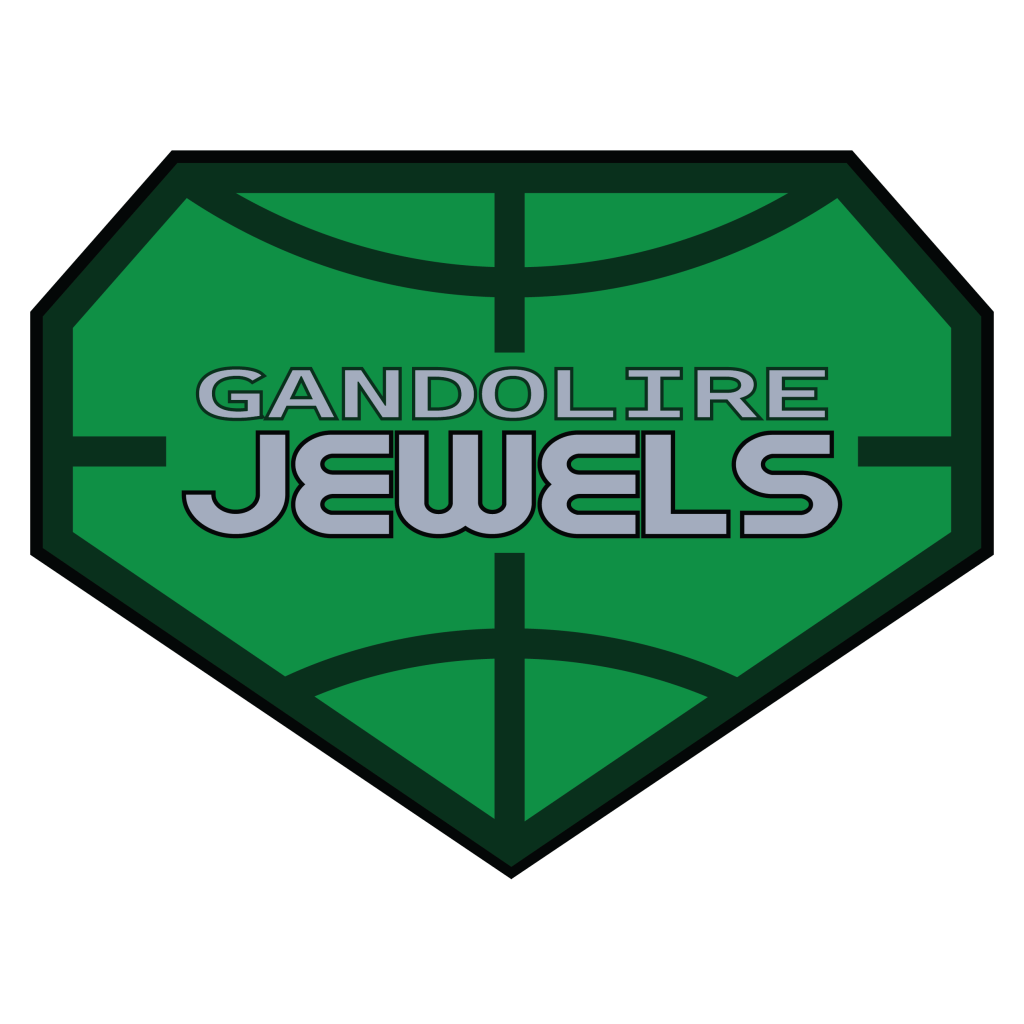
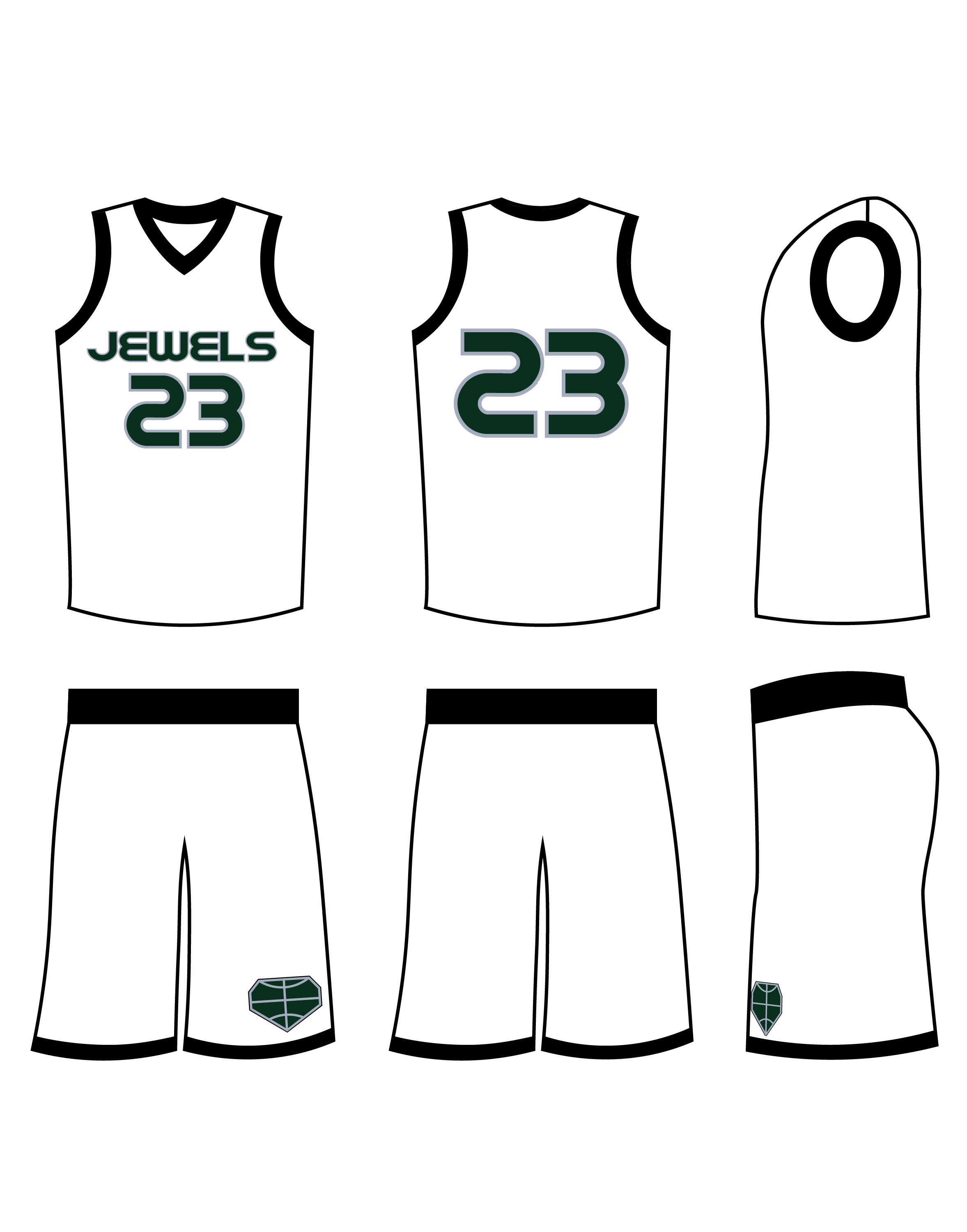
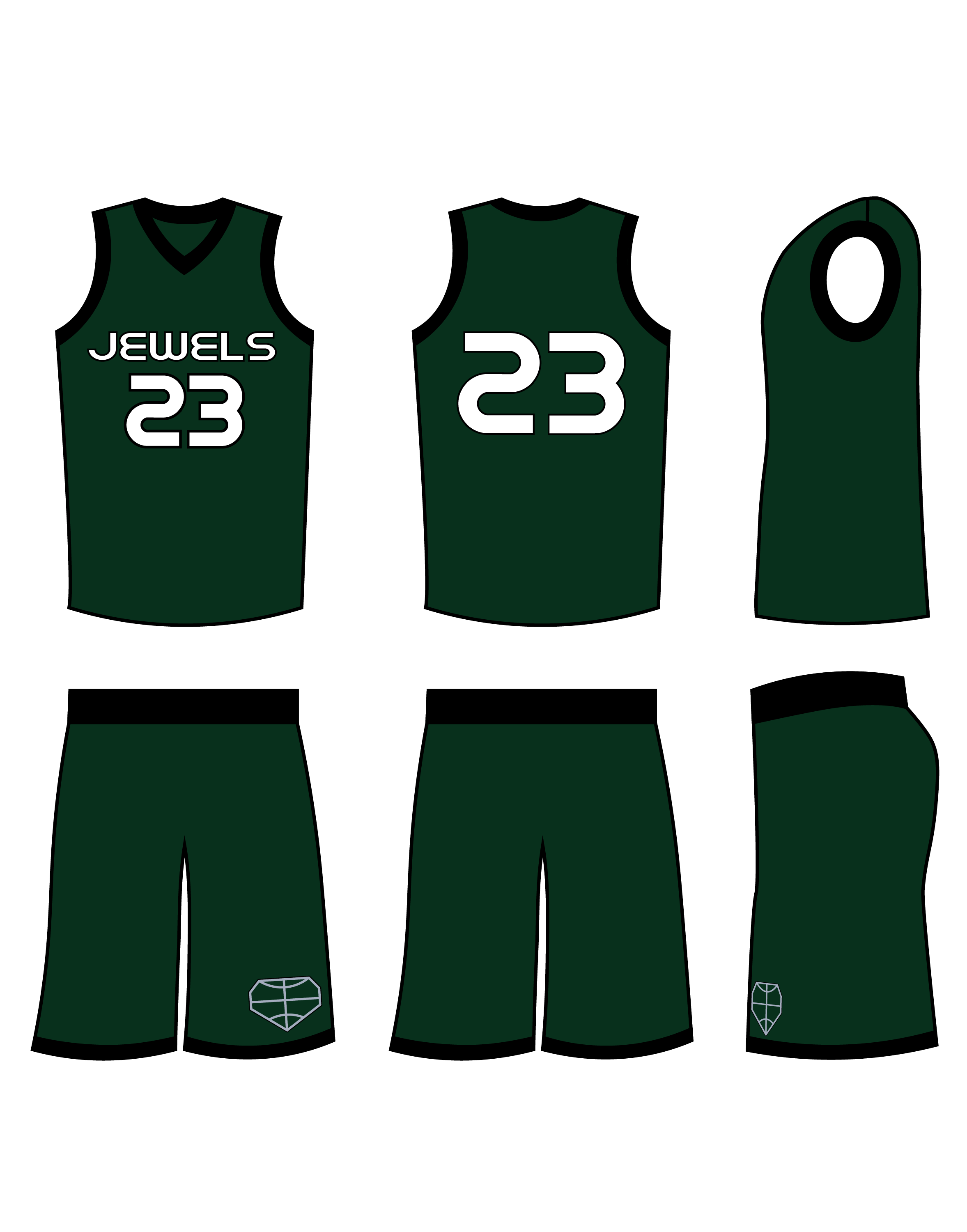
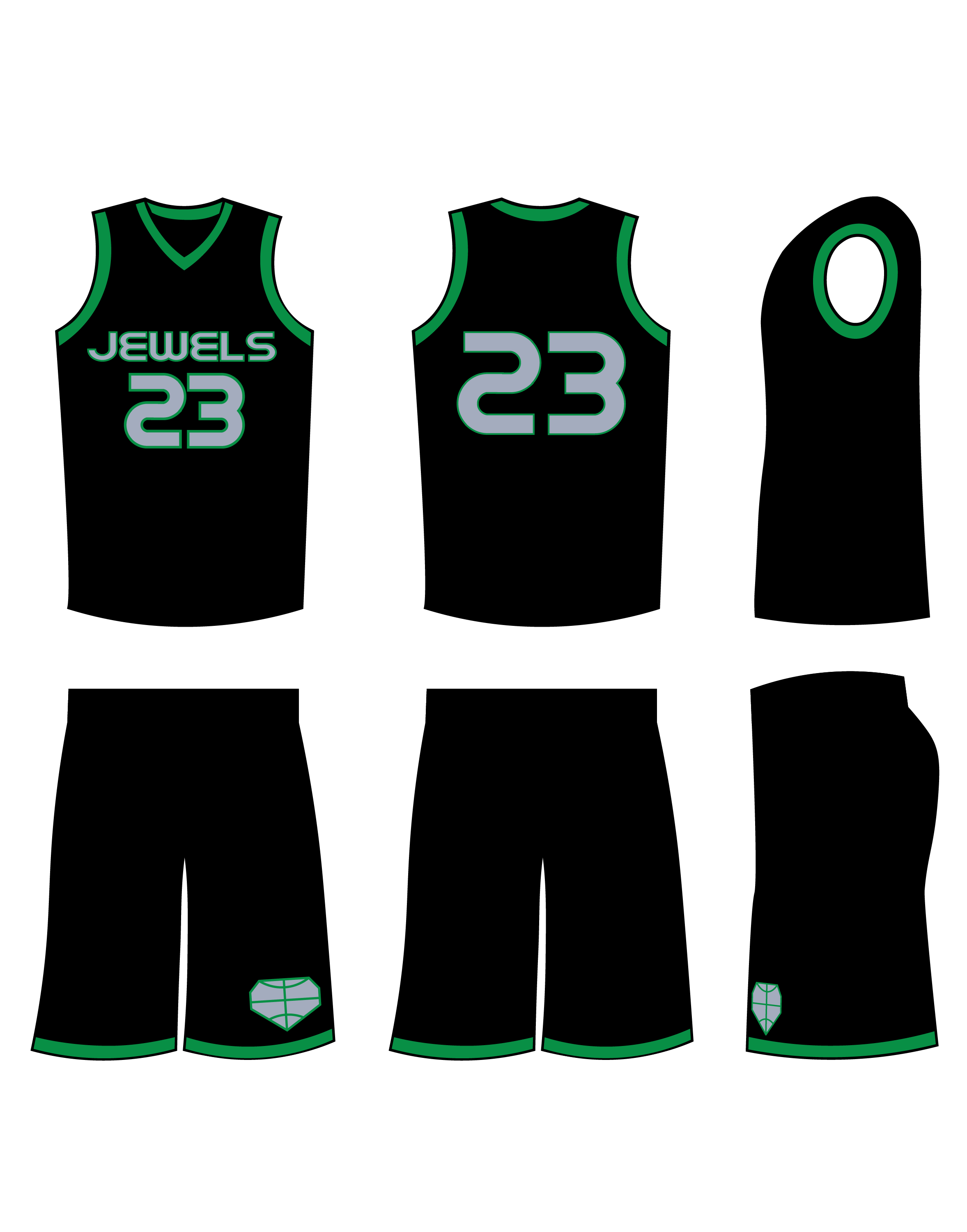
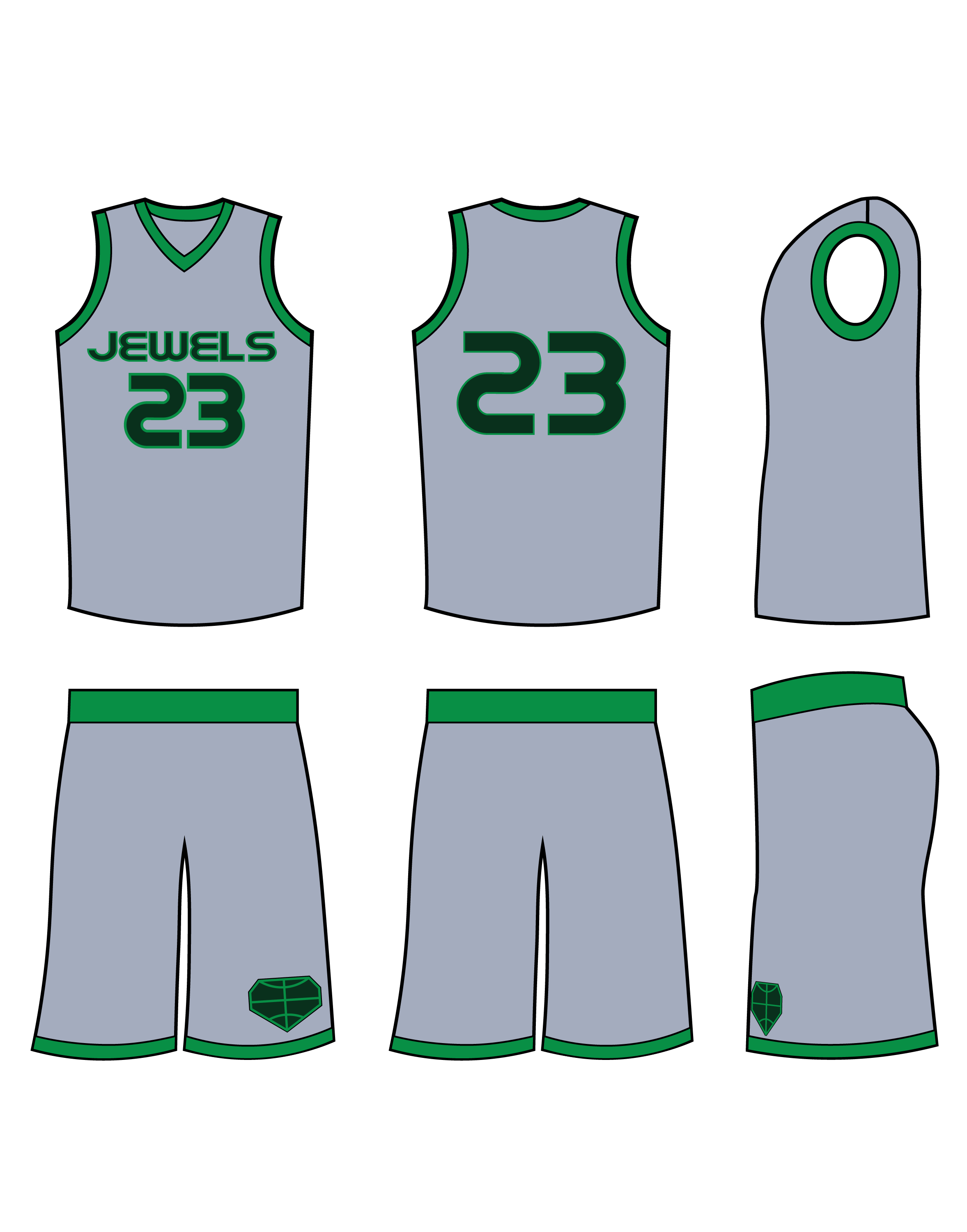
The Gandolire Jewels were founded by team owner Lindy Munson, who rose from abject poverty to extreme wealth when she discovered a major diamond deposit on a defunct farm inherited from her grandfather, a tragic figure who fell from public acceptance and died in prison after being convicted of fraud in the politically tumultuous world of pre-USU Uplantica. Munson is known for her eccentricity and wild fashion choices, and was inspired to found the Jewels by close friend Abel Trefellen, who owns the Northsouth Guardians baseball team.
The Jewels name is, of course, a reference to the source of Lindy Munson’s wealth, while the green color scheme is a nod to the area people’s love of outdoor activity.
Plains City Scouts
“Prepare, Enact, Achieve!”
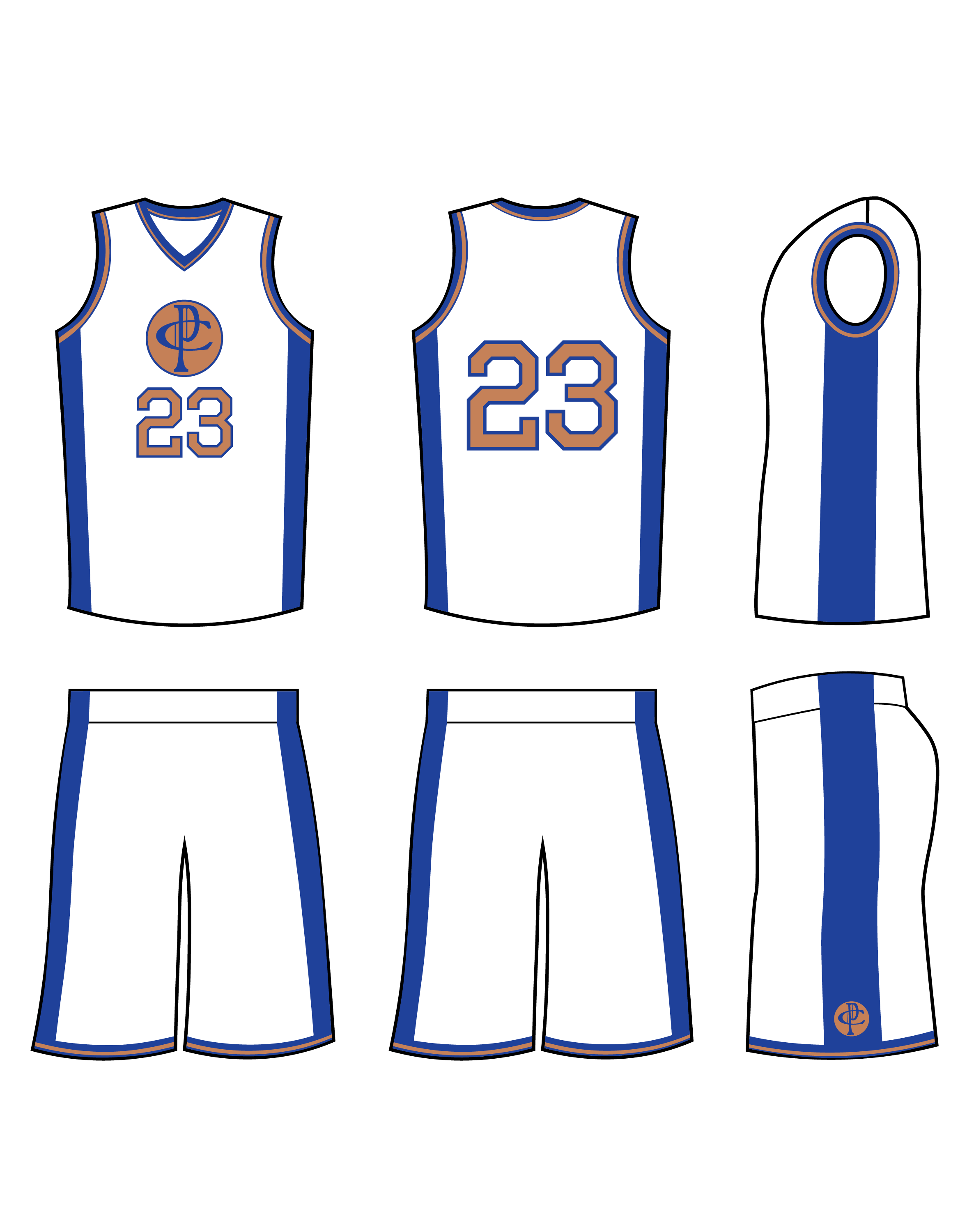
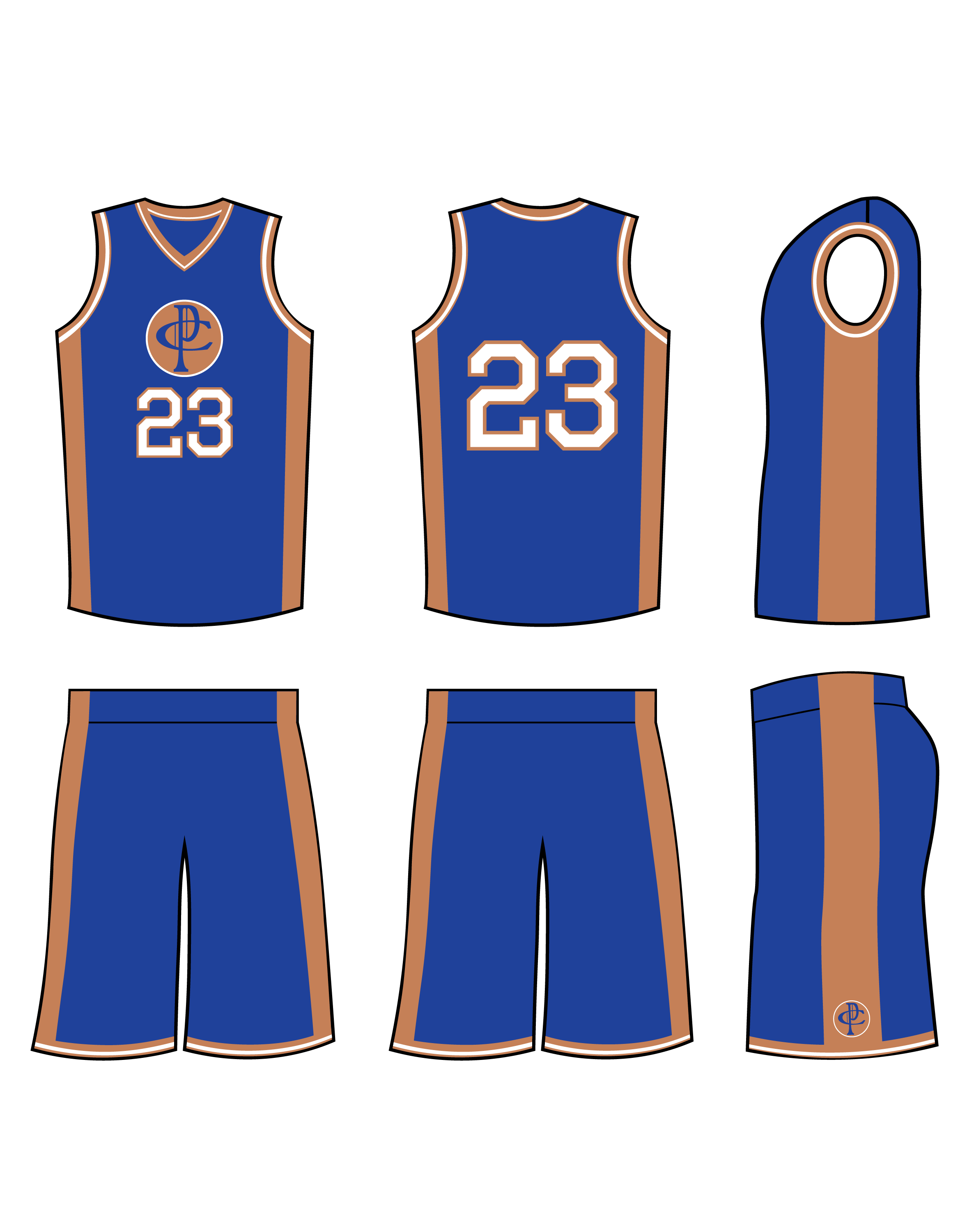
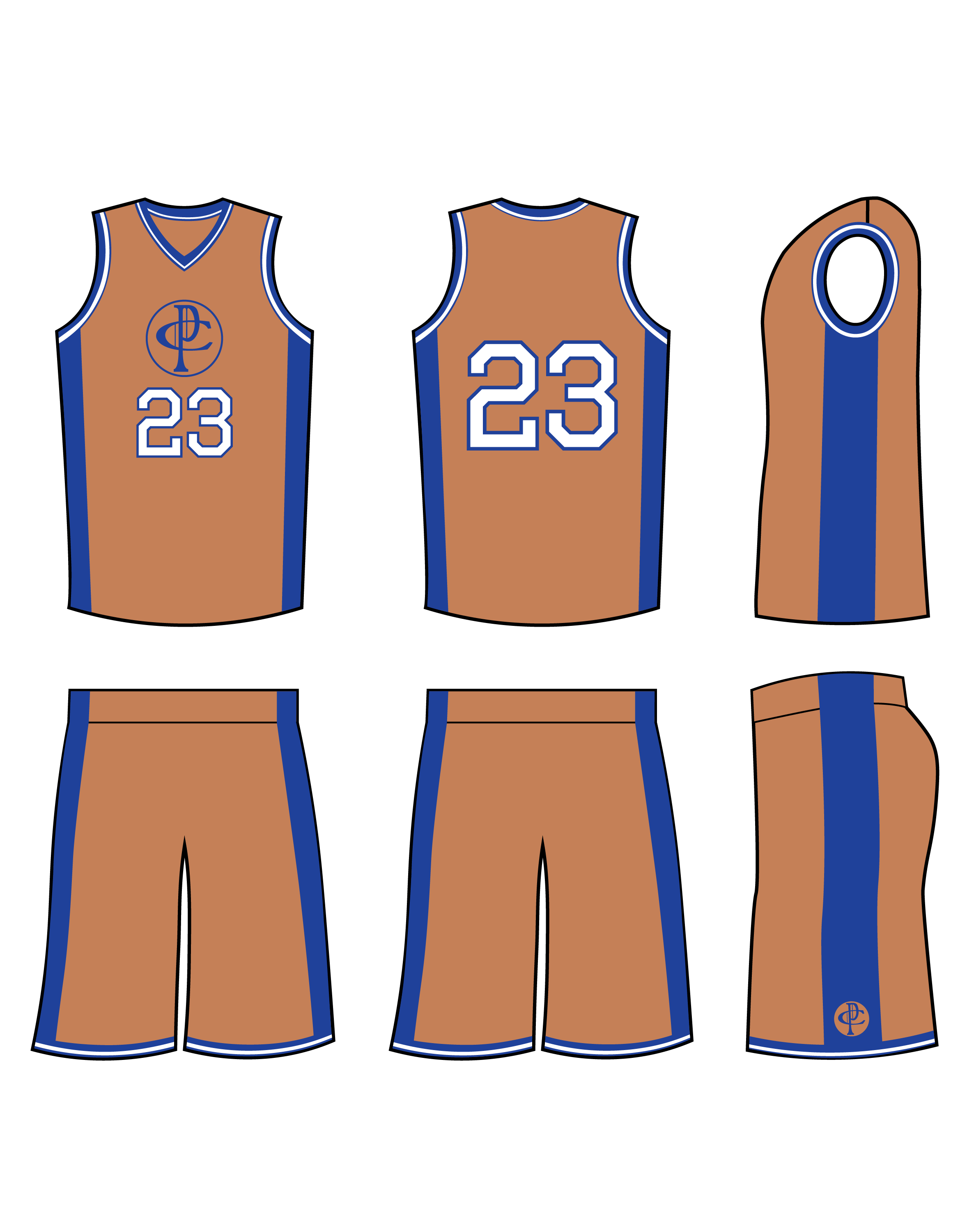
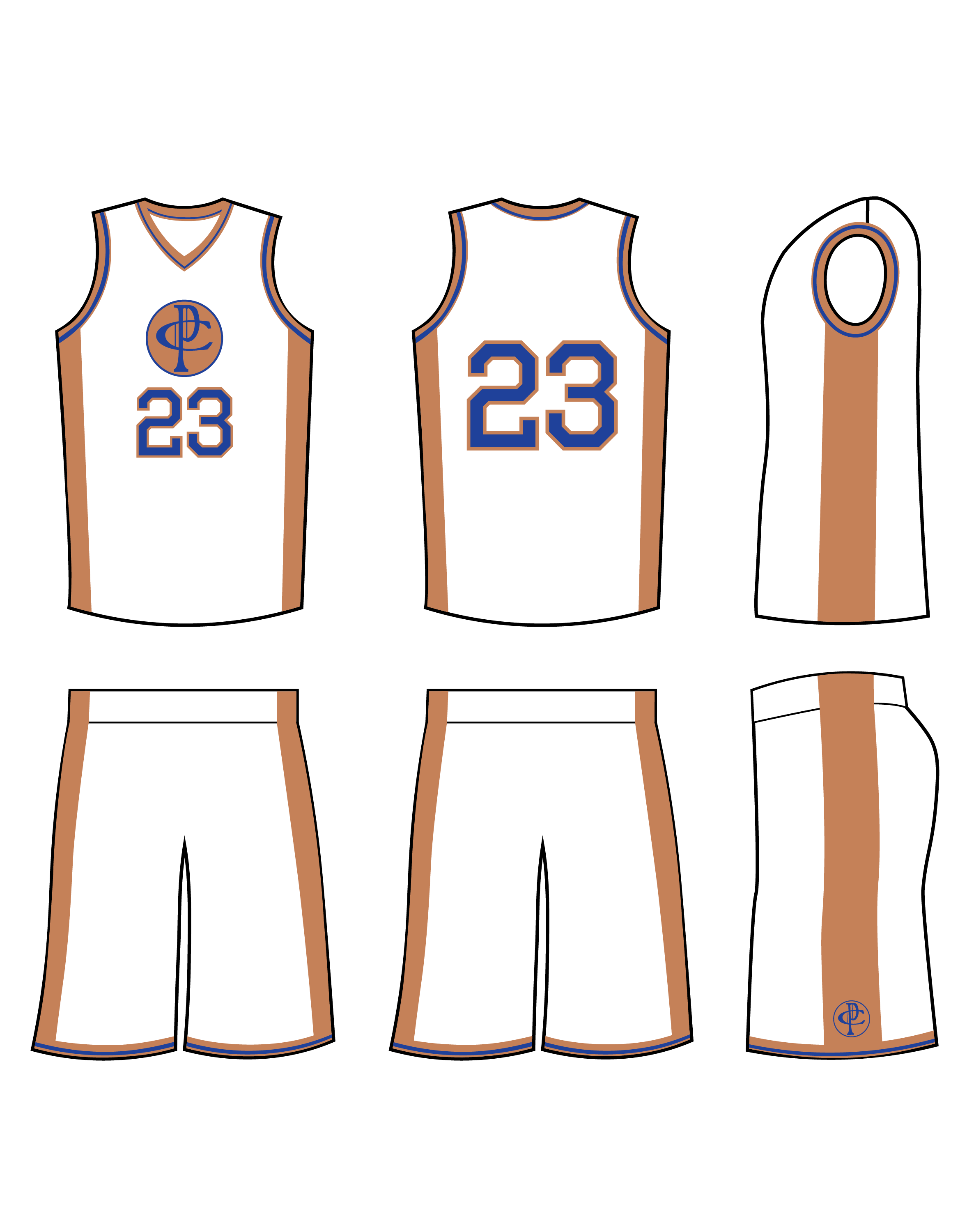
The Plains City Scouts evolved from the Hewitt Scouts, a traveling exhibition basketball team that toured Uplantica from 1925-1934 performing athletic feats and basketball trick shots with celebrity and musical guests. Hewitt Sporting was the top private athletic club in Plains City, where the Scouts were formed and trained, and also birthed the Travelers UPF football team.
Scouts GM Brandon Daniels attempted to convince team owner Karl Godrey to take the team from a novelty to a legitimate competitive pro team with the founding of the UMB league in 1934. Instead, the elderly Godrey sold the team to Daniels at an extreme discount and retired abruptly, leaving Brandon Daniels himself to lead the team’s transition to a UMB franchise.
Prissley Riverwolves
“Ball of the Wild!”

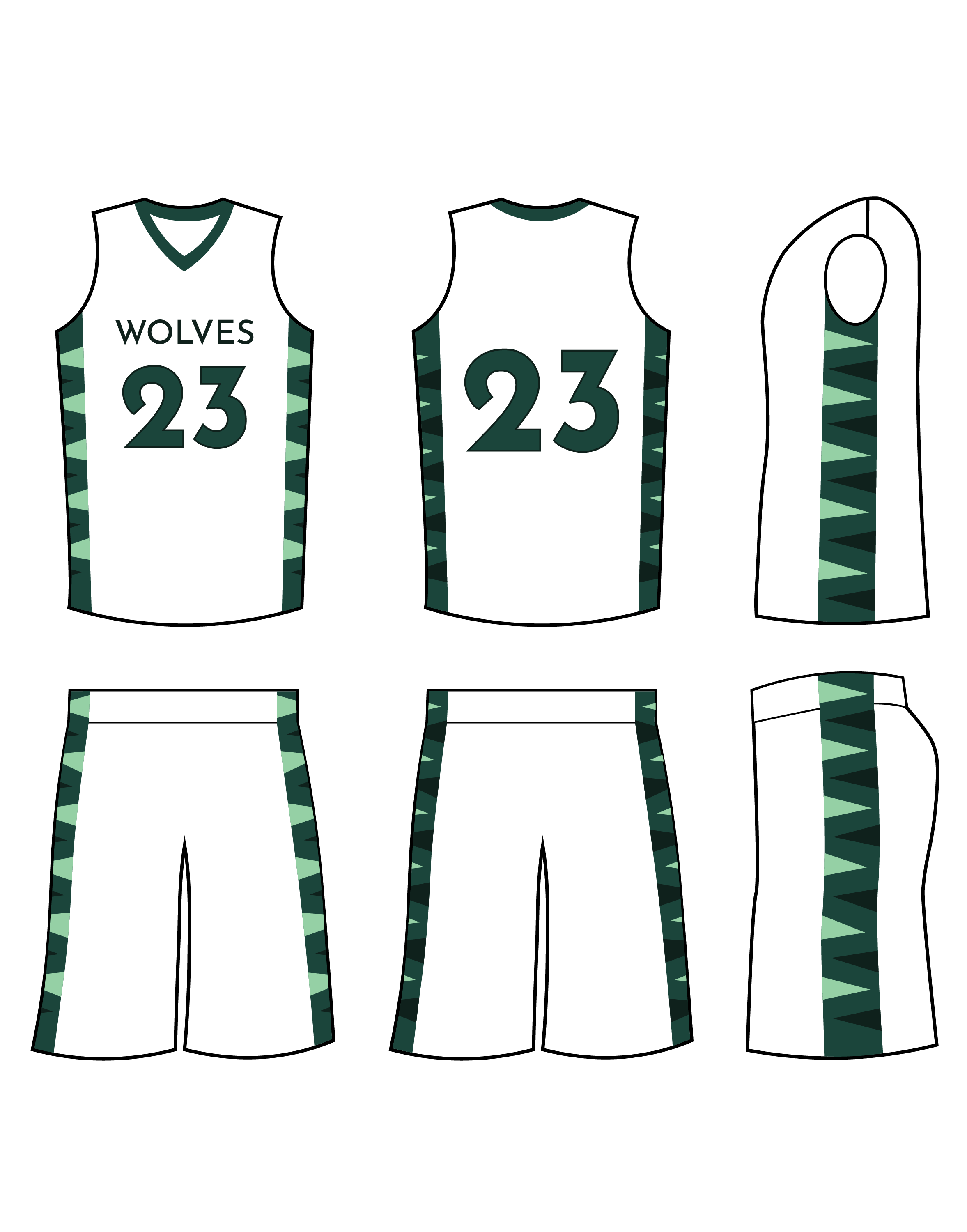
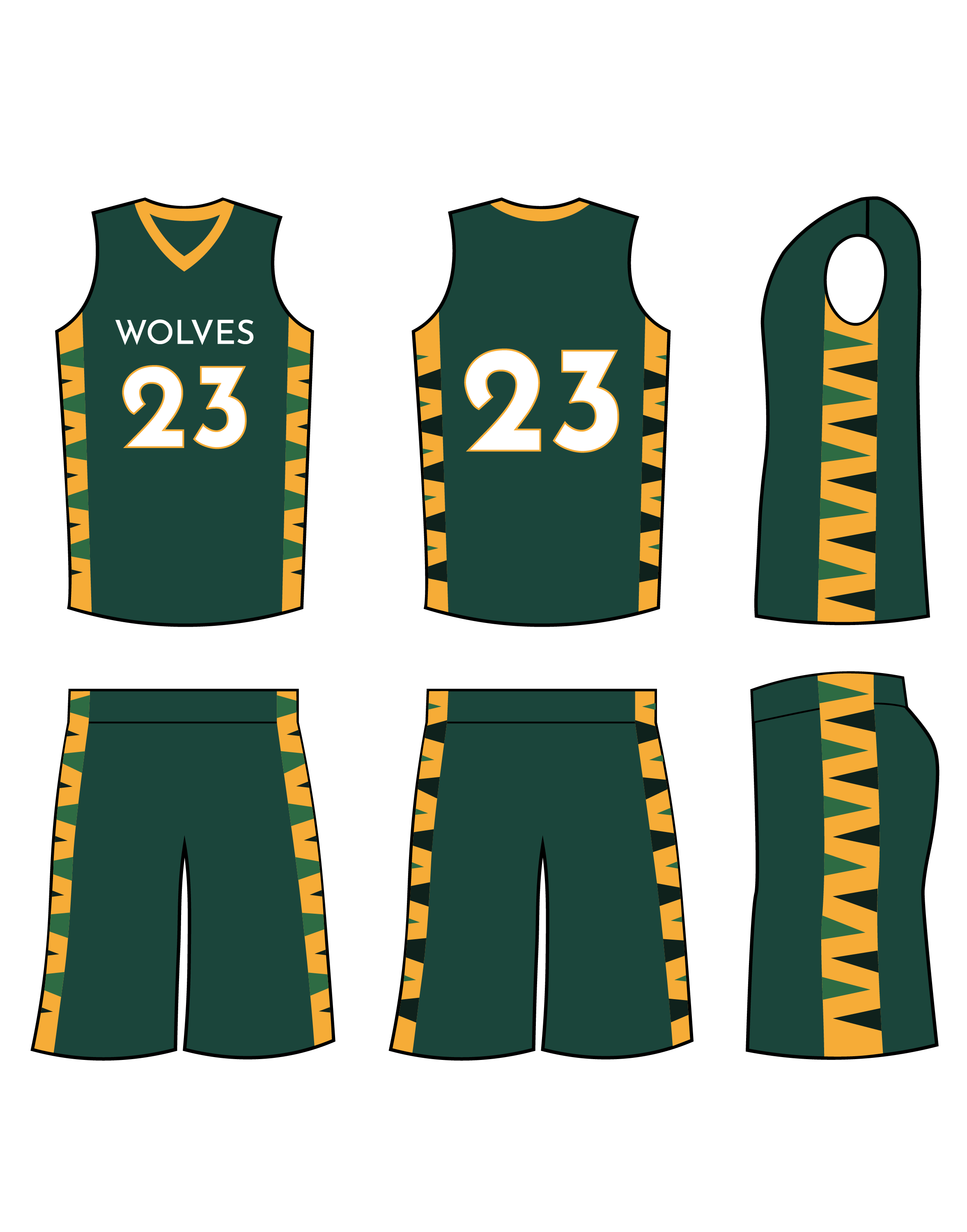
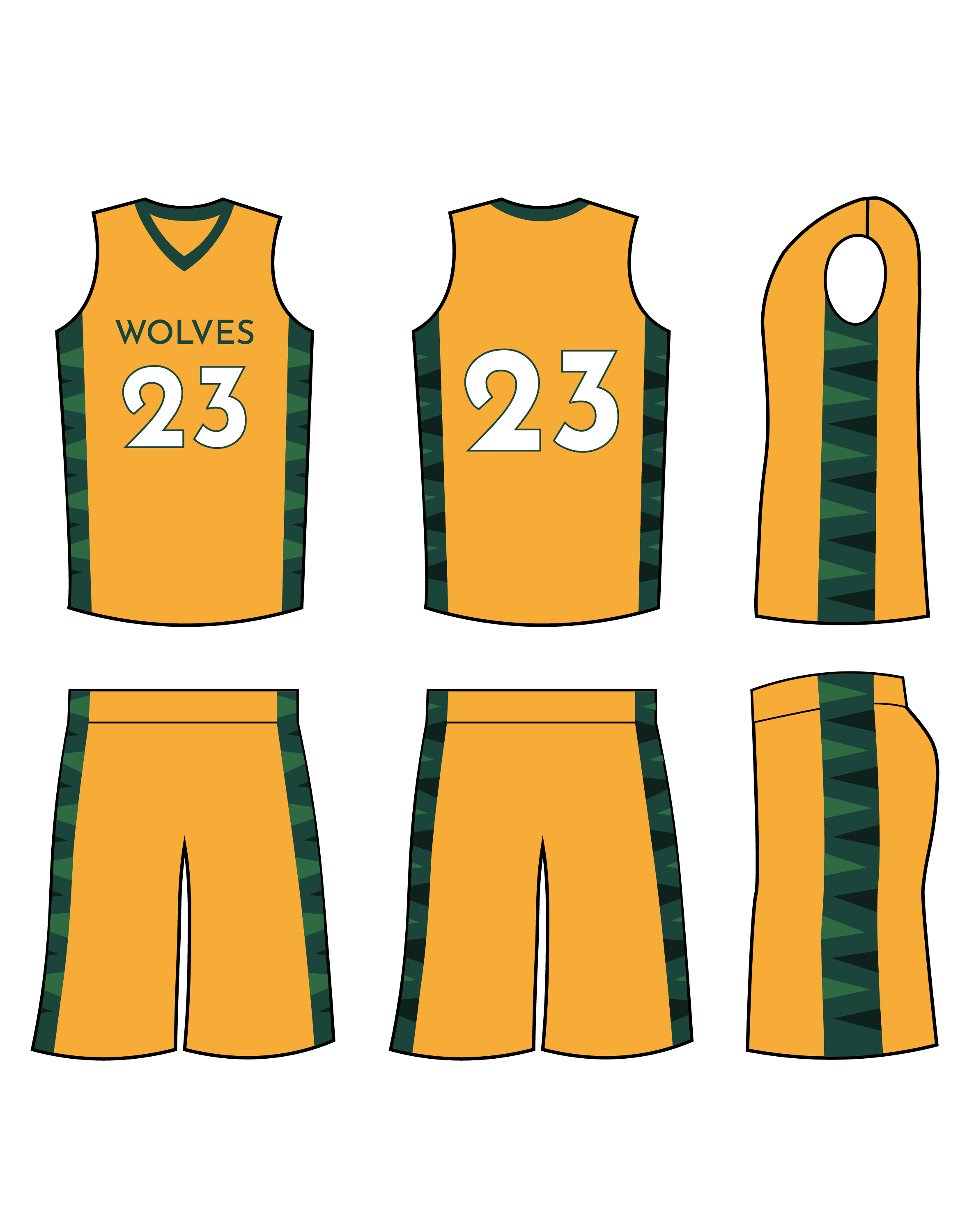
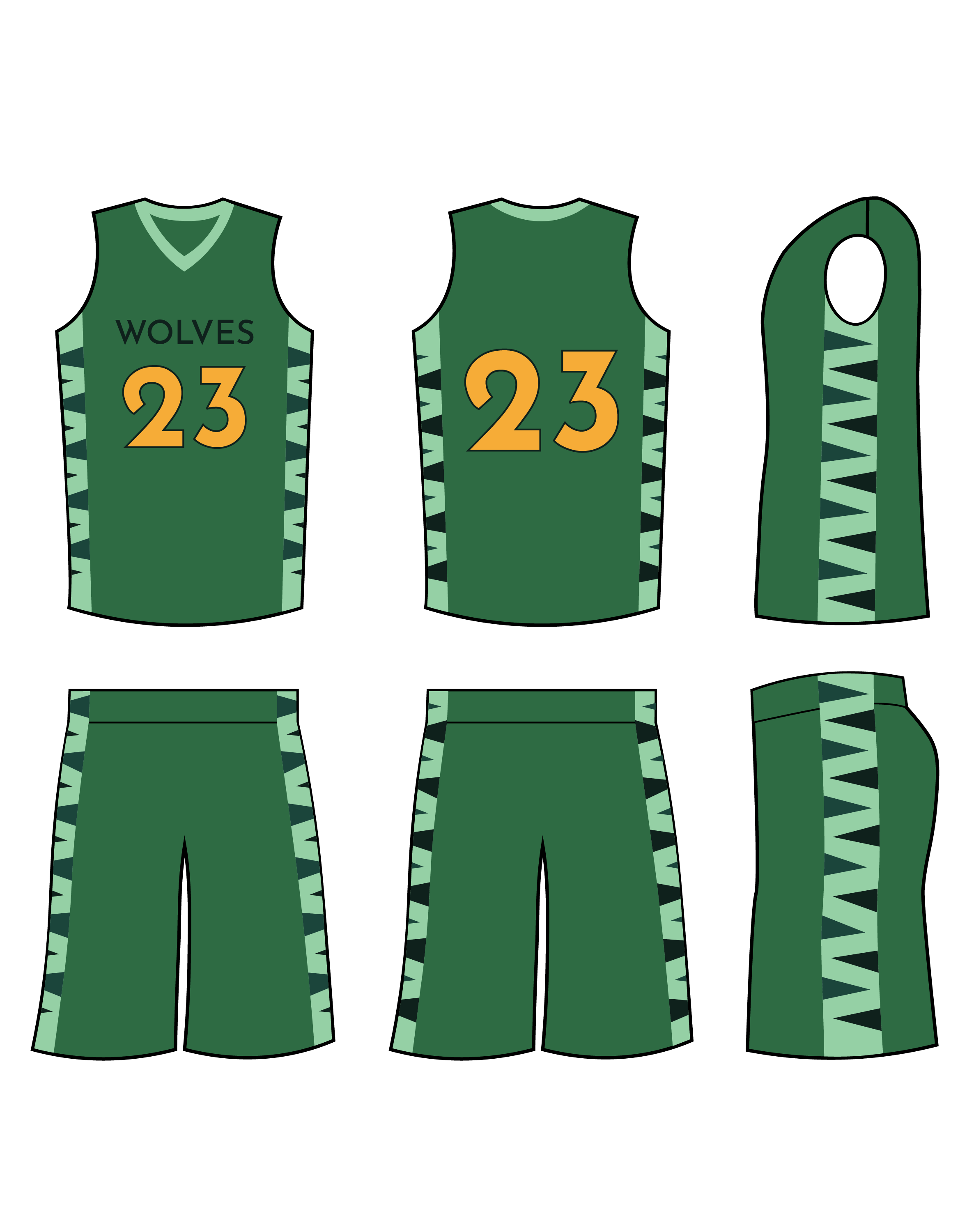
The Prissley Riverwolves were newly formed for the UMB league in 1934 and named according to a newspaper reader’s poll in Prissley, beating out “Pioneers” and “Hawks” in the final round of voting. While there is no specific species of wolf known as a “river wolf”, otters have been colloquially known as “riverwolves” for some time. Team owner Nigel Duncan once admitted in an interview that the team did not realize “riverwolf” referred to otters and had the team’s identity designed around an image of a wolf. It’s unclear what meaning the original reader meant when they first suggested the Riverwolves name. The Riverwolves were the first team to add a live mascot performer to the home game experience: an otter character named Loopy.
The contentious Prissley-Railey rivalry carries over from UUBO baseball to the basketball court despite the Riverwolves and Colonels playing in different UMB divisions.
Railey Colonels
“Rule the River!”
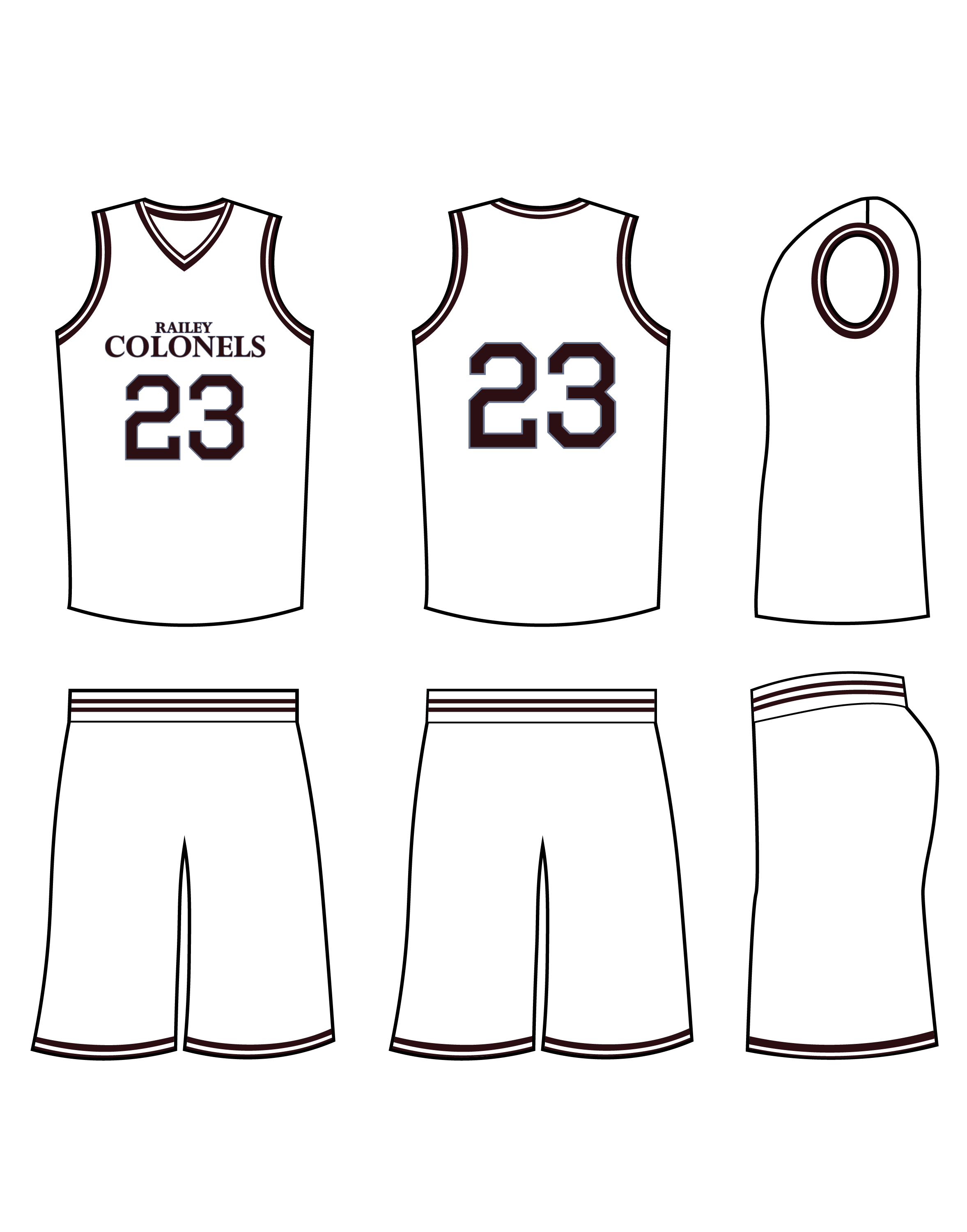
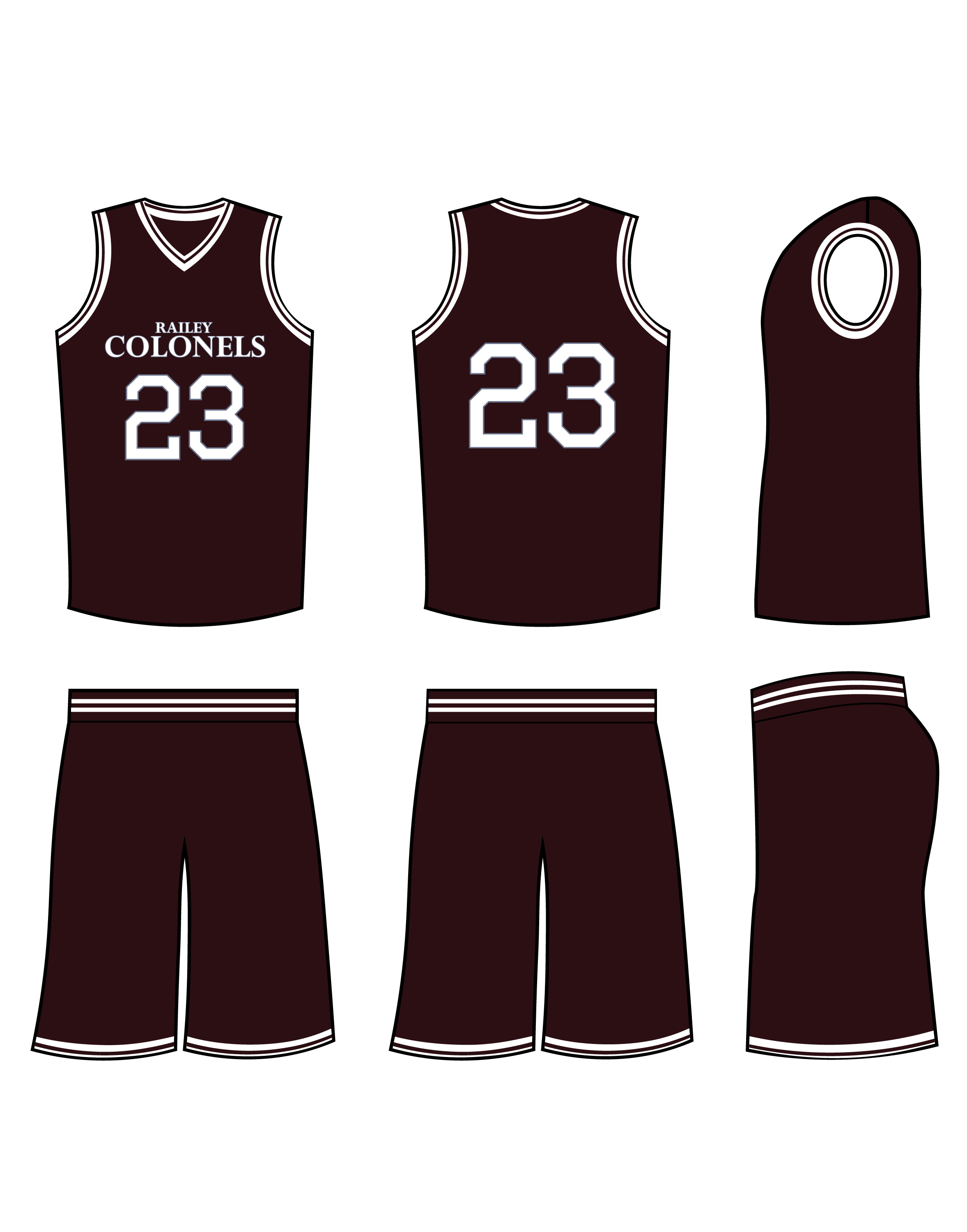
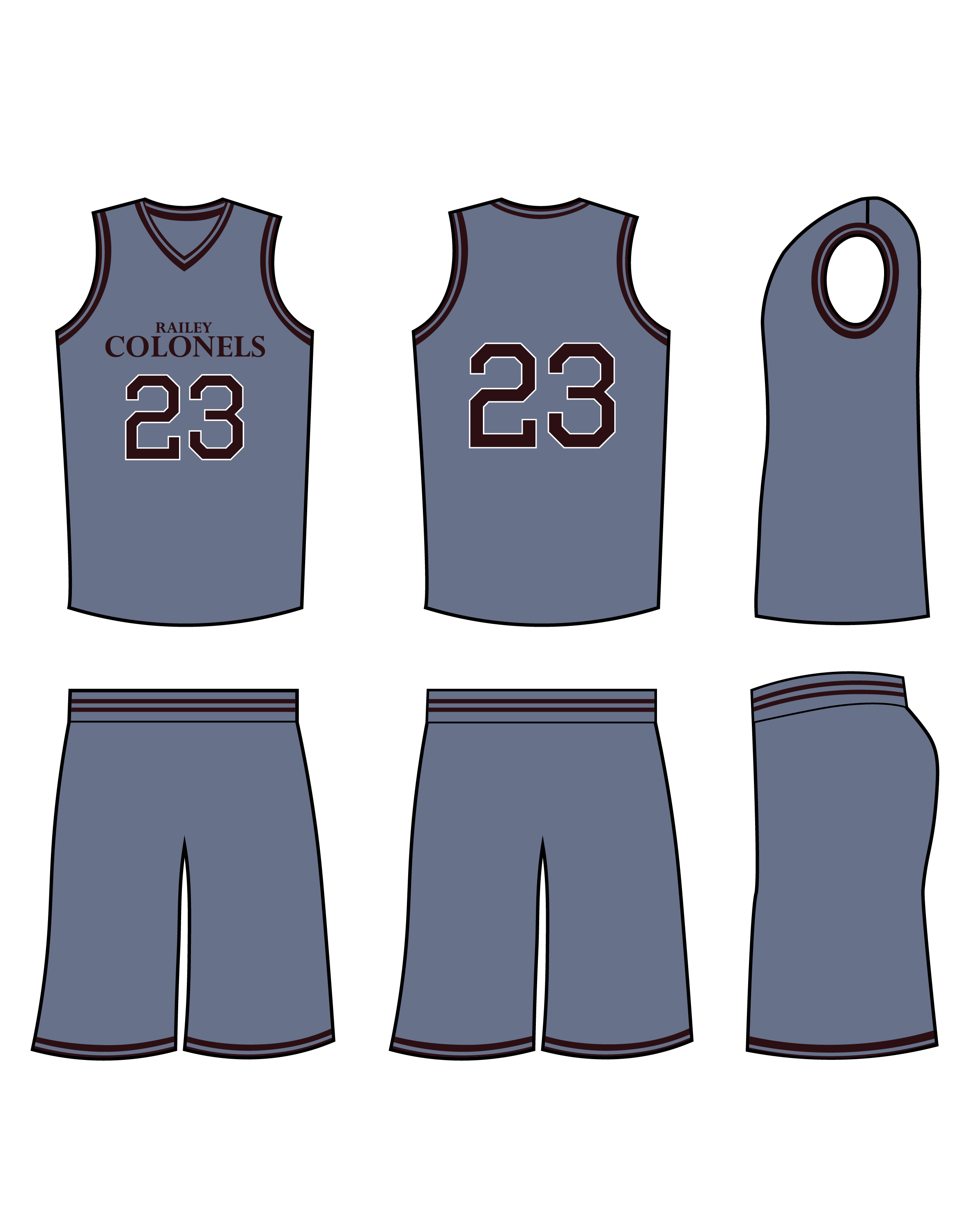
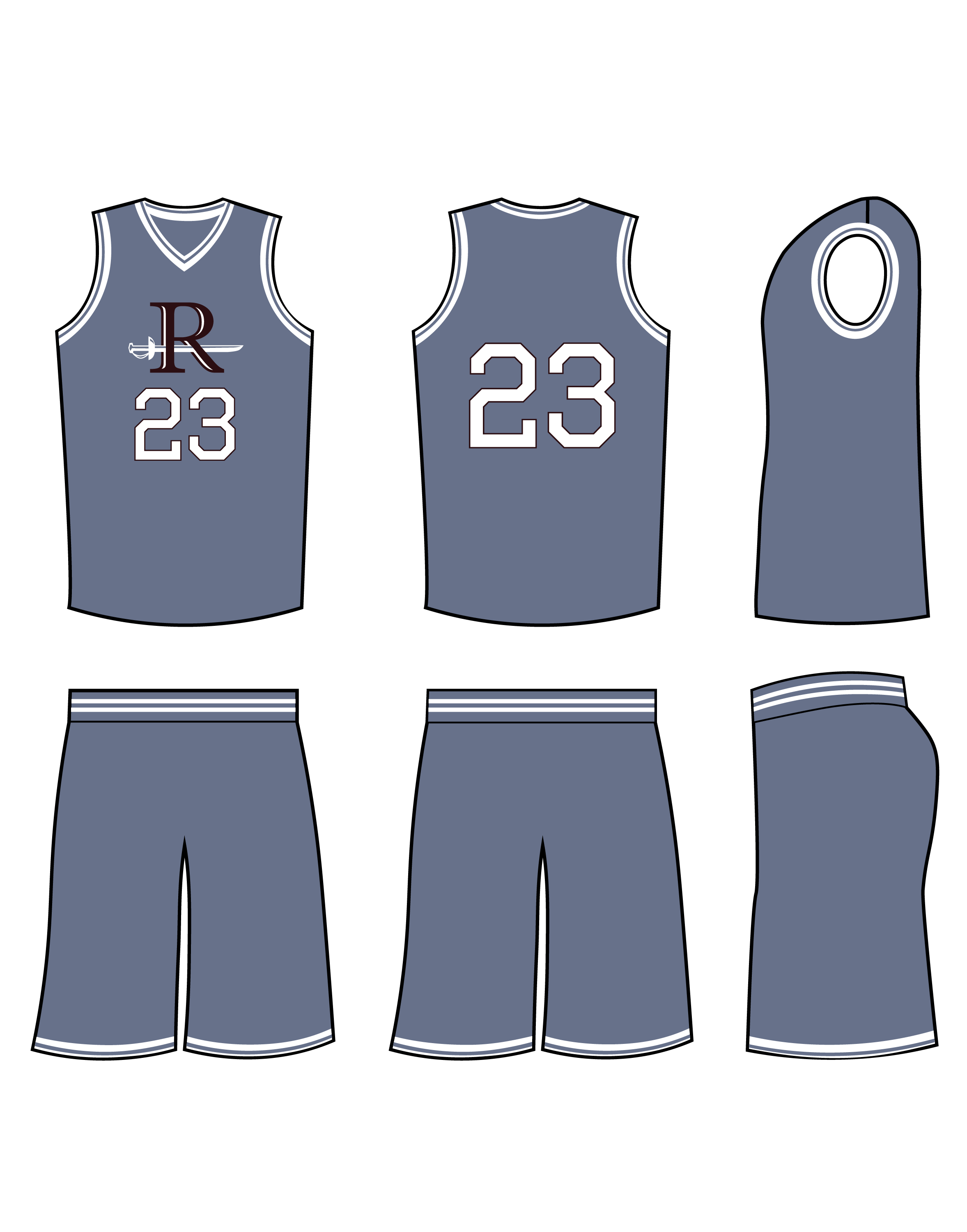
The Railey Colonels are named for famed Railey resident Col. John Bunsen. Bunsen was instrumental in turning the tide to end institutionalized slavery in the Uplantic south, abandoning his family’s colossal generational business, freeing its charges, and funding the growing underground rebel movement before eventually dying in a face-off with local authorities. The UMB Colonels are the latest in a long line of Railey area athletic clubs known as the Colonels.
The contentious Prissley-Railey rivalry carries over from UUBO baseball to the basketball court despite the Riverwolves and Colonels playing in different UMB divisions. The Colonels’ rallying cry, “Rule the River!”, originated from the two cities’ baseball rivalry, but in the case of UMB basketball it can be applied to the league as a whole, which is largely comprised of cities along the Continental River.
Riverside Ramblers
“Grit and Glory!”

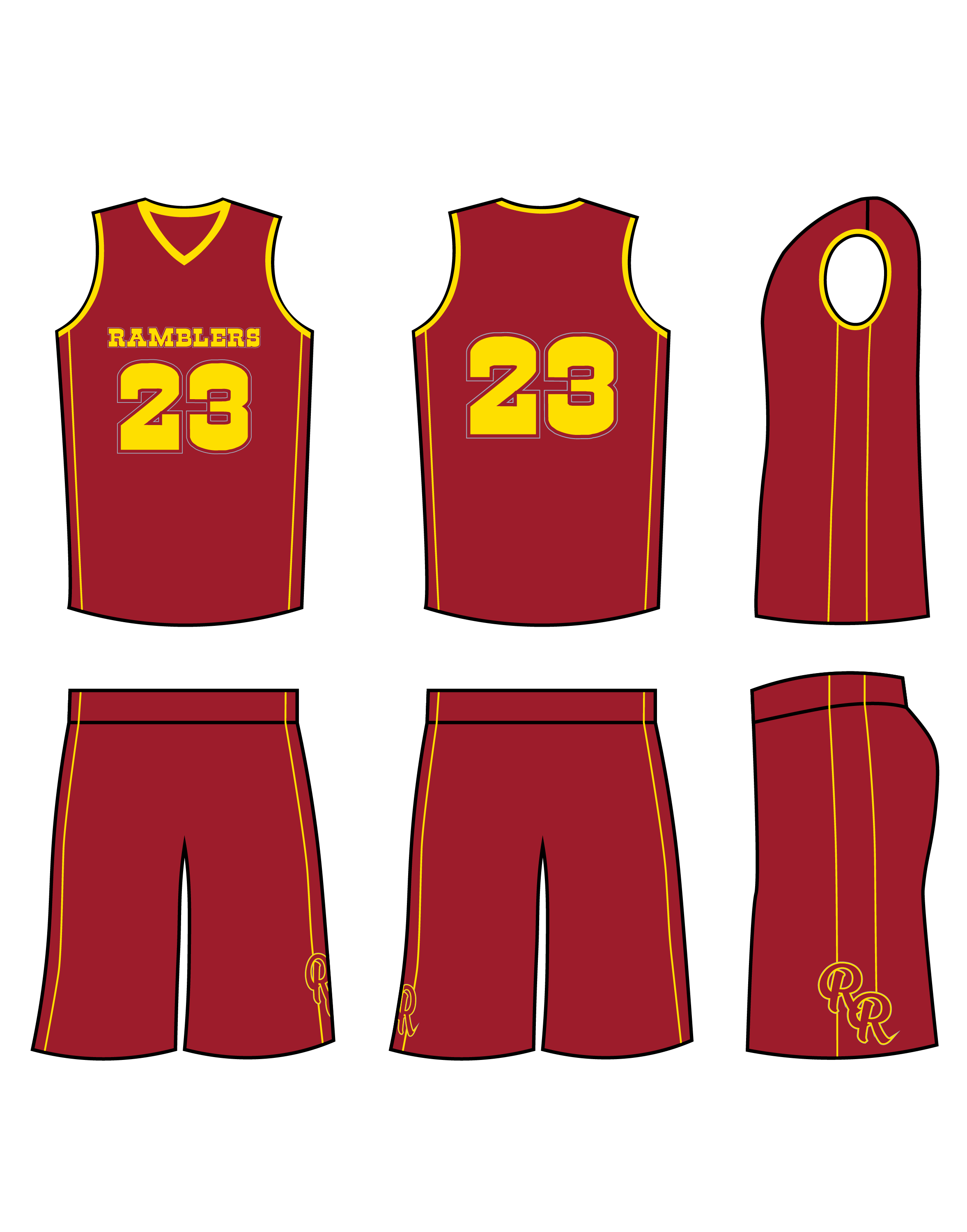
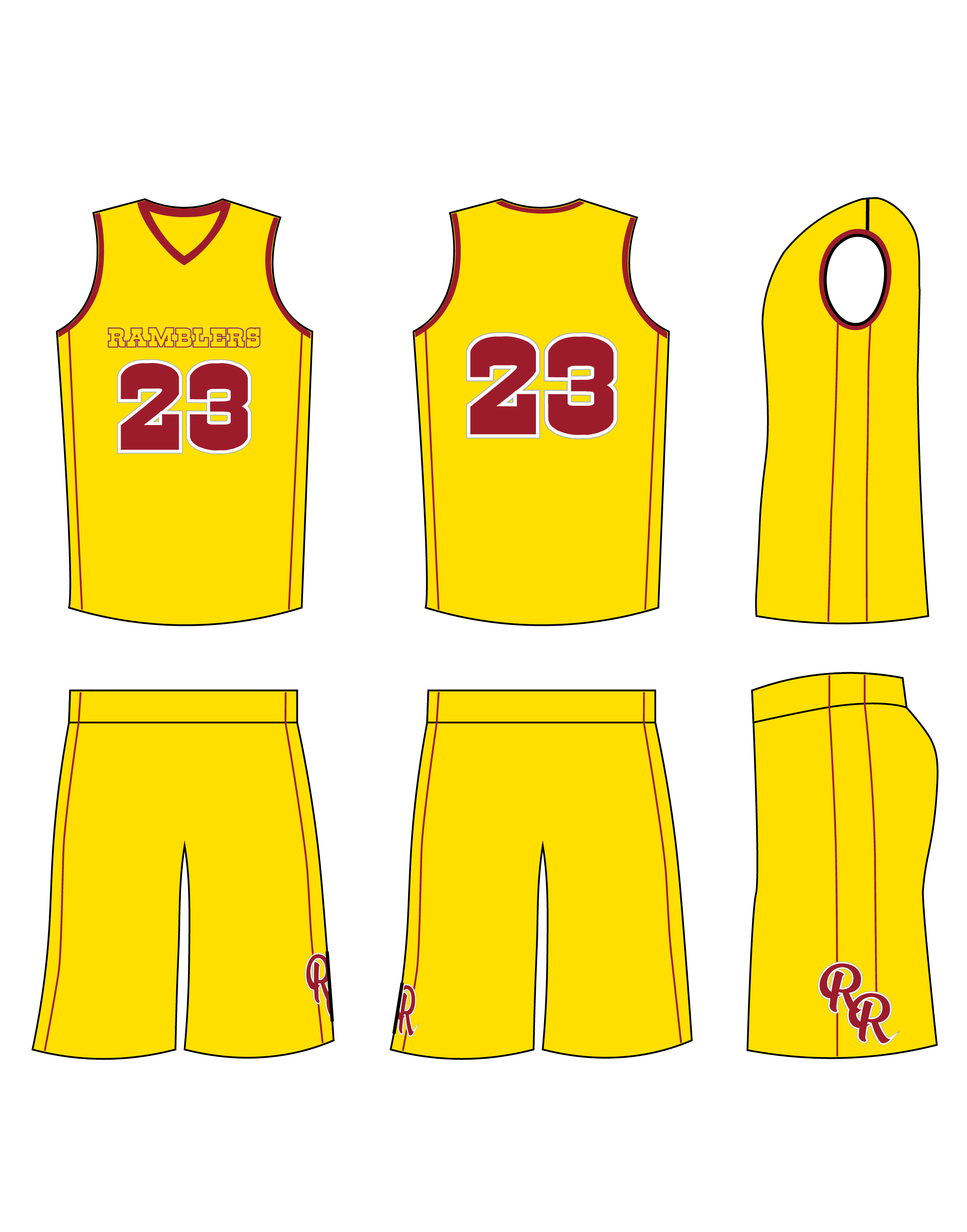
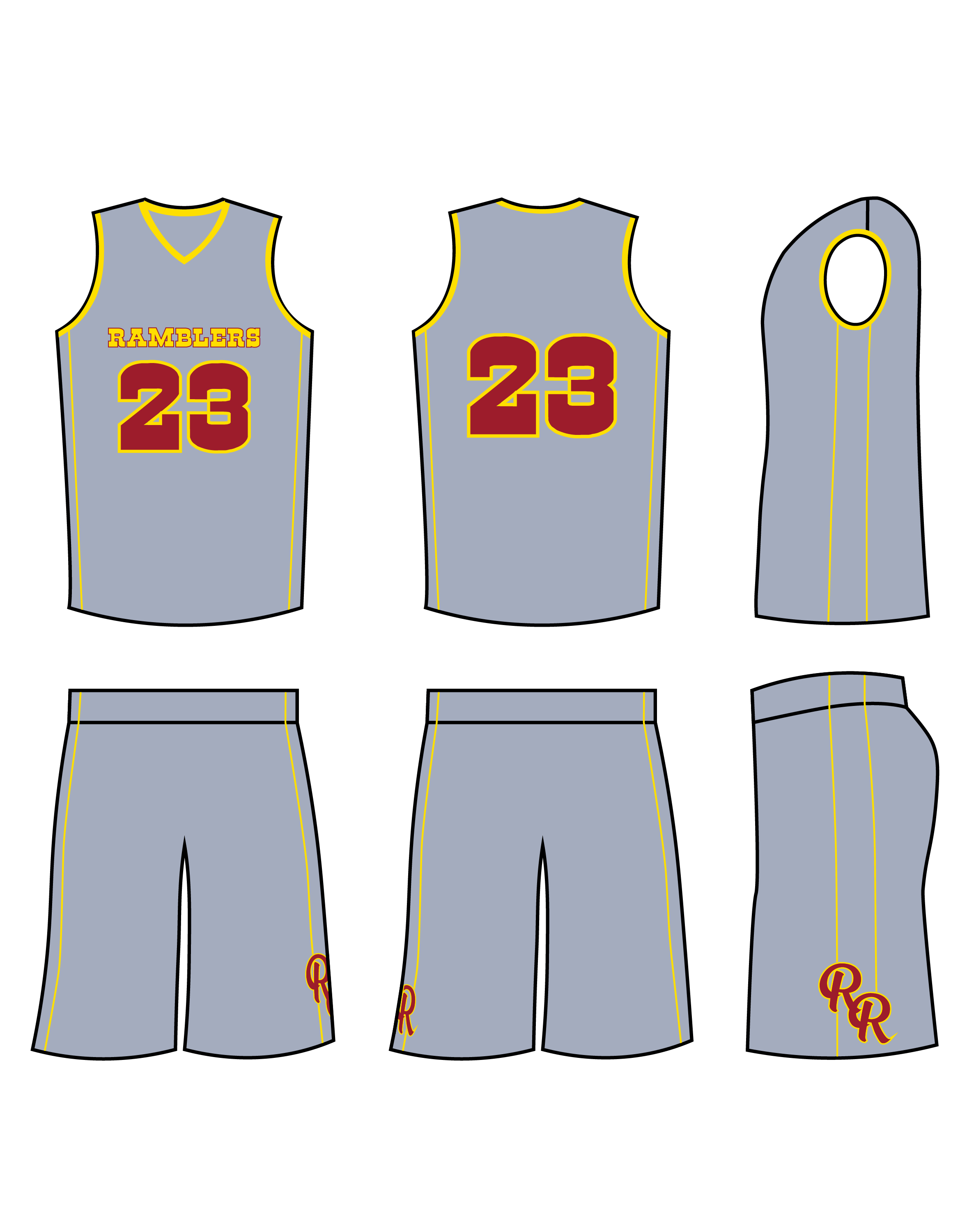
Hemp industrialist Hector Cushing was the last owner to join the original fourteen UMB teams with his Riverside Ramblers. The Ramblers name refers to the romantic image of the riverboat drifter, adventuring up and down the Continental River in the lawless pre-USU Midwest.
The Ramblers’ color scheme is an homage to Cushing’s alma mater, Nakai University. As a mafor aulmnus donor, Cushing has a building named for him on the university’s campus. His cousin, Peter Legrand, was President of the school when the Nakai Rebels played their first basketball season.
Roland Aces
“We Ride For Roland!”
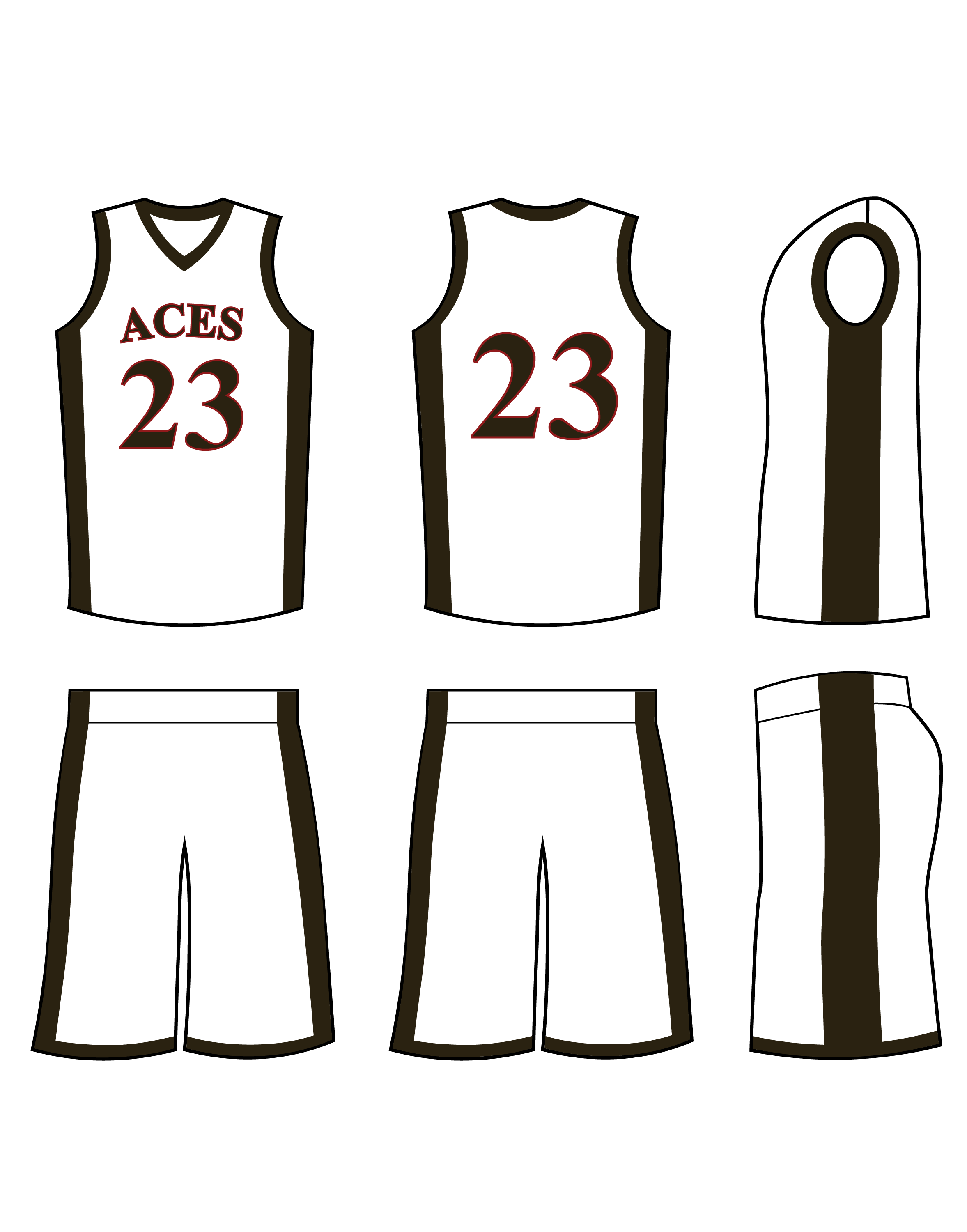
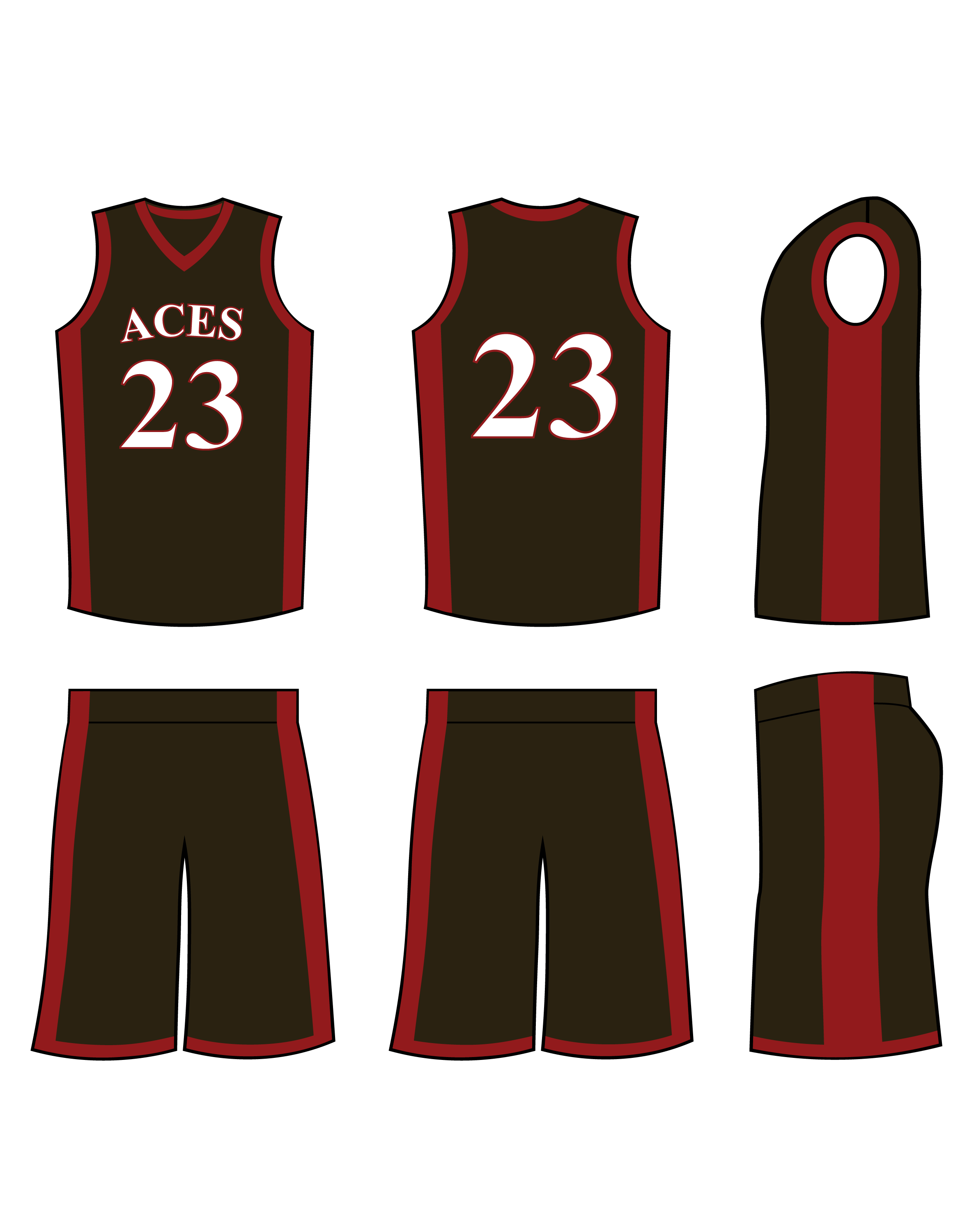
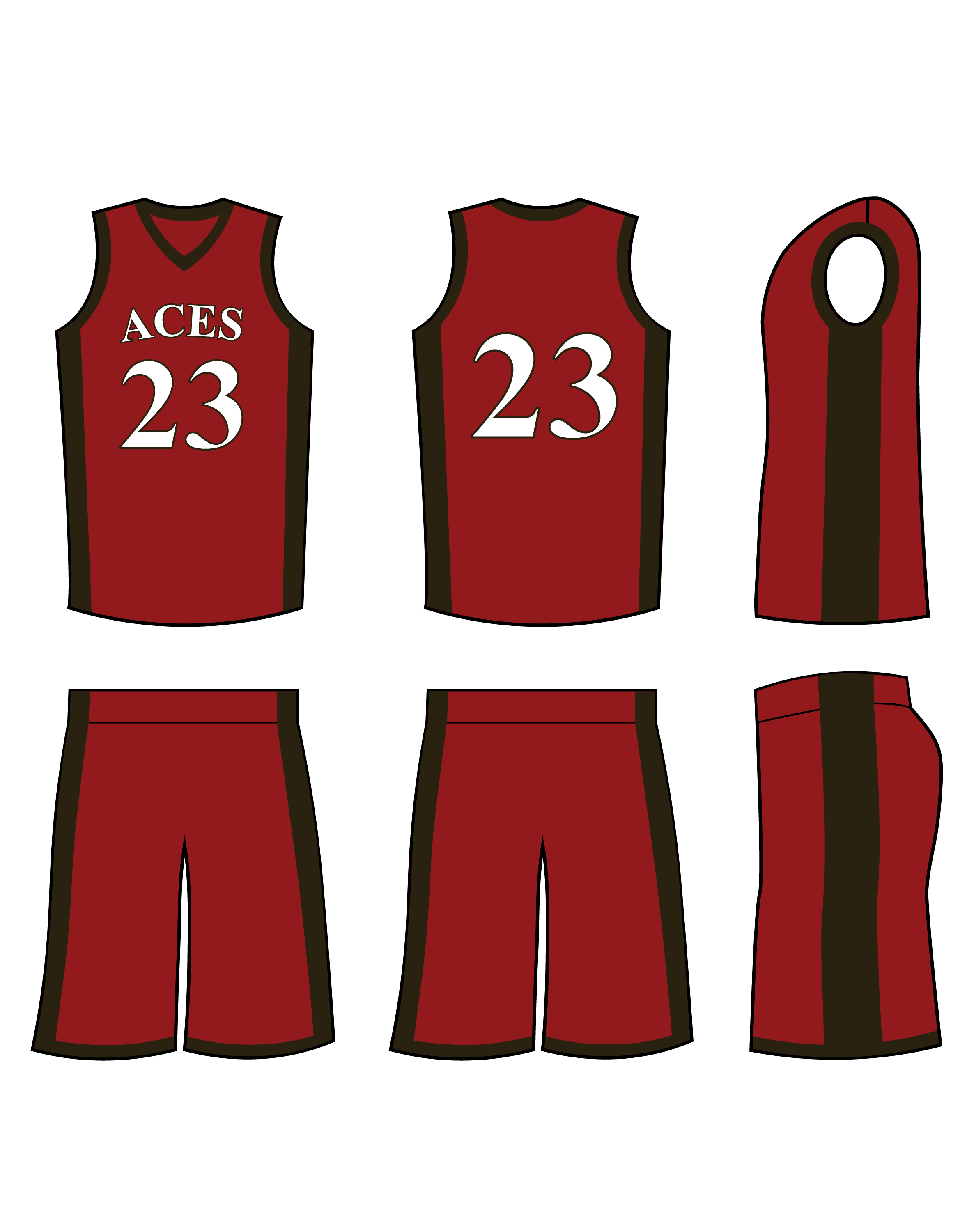
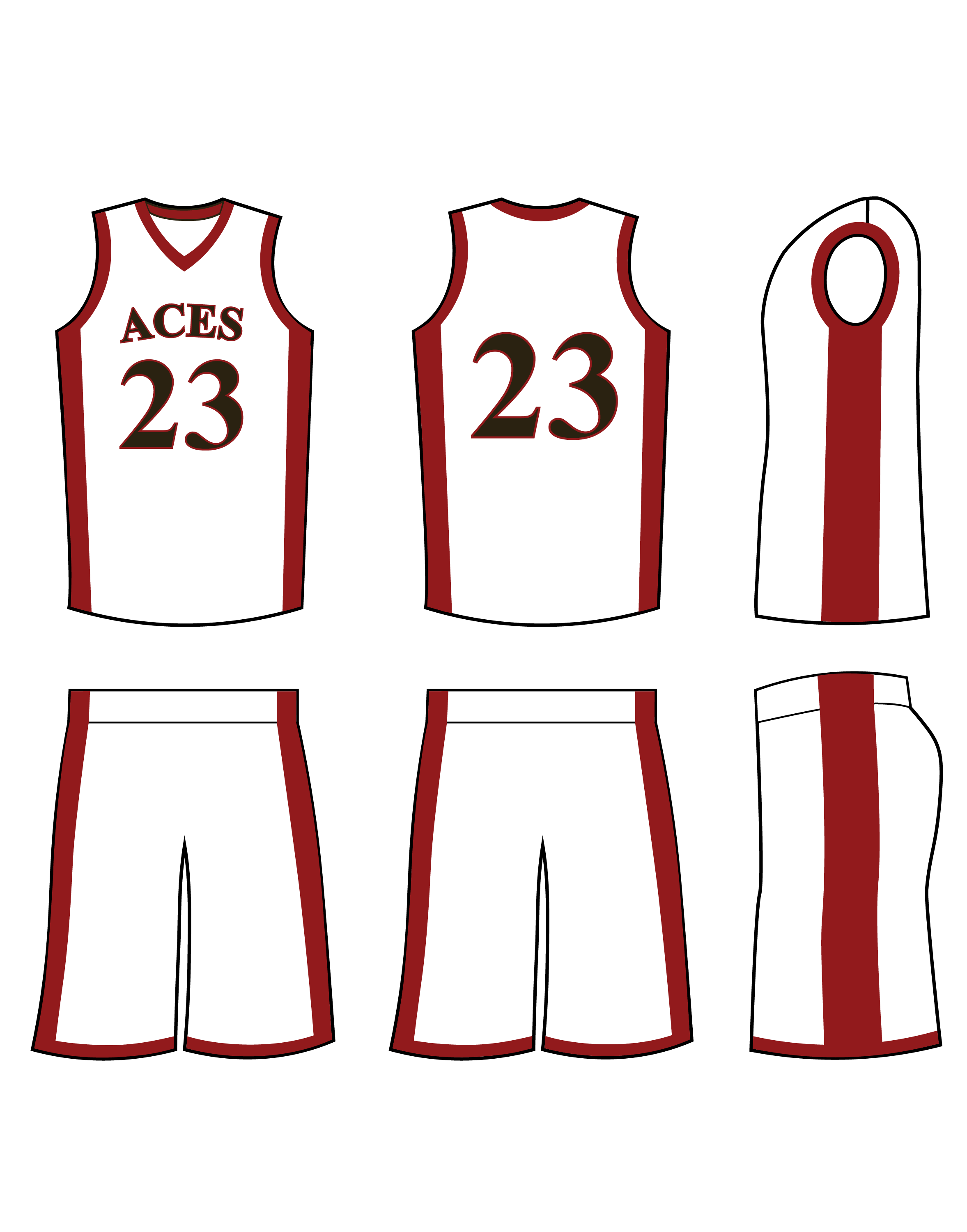
The Roland Aces are one of the few UMB teams that existed in some form before the league’s first season in 1934. The team was originally known as the “Riverboat Aces” and toured with the Hewitt Scouts, to whom they lost every exhibition game they ever played. When new Scouts owner Brandon Daniels began the team’s transition to a UMB franchise, he found a buyer for the Aces identity. Veteran pro baseball owner Donald Ridha purchased the rights to the Aces and installed them as a UMB team in Roland. He stated two reasons behind naming his new team after a team known as perpetual losers: “People in Roland love a redemption story, but maybe more important, people in Roland hate anything to do with Plains City.”
The original Aces touring team wore red and black, but Ridha changed the team’s colors to red and brown to match his baseball team, the Roland Stags.
Salvation Brothers
“For Salvation!”
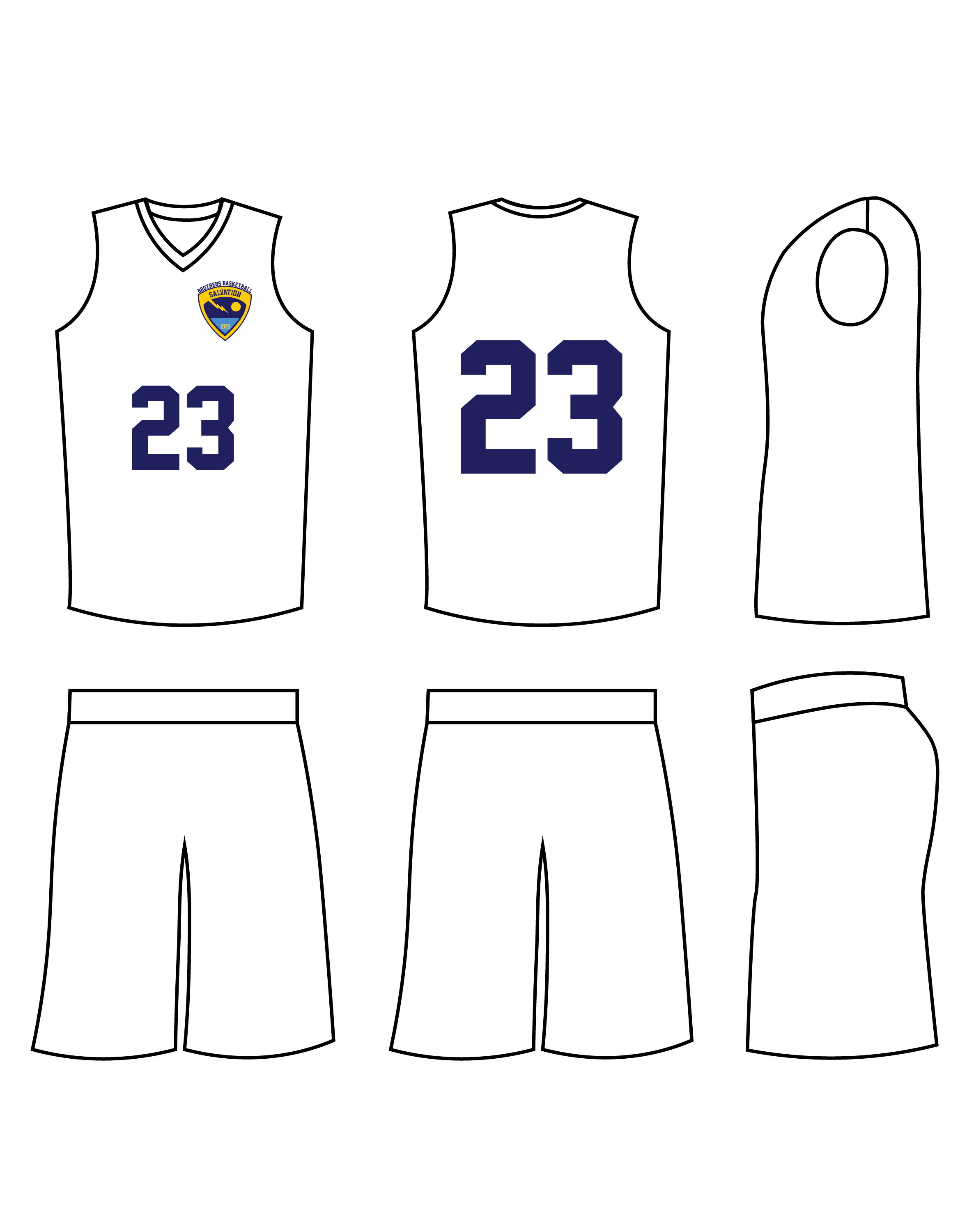
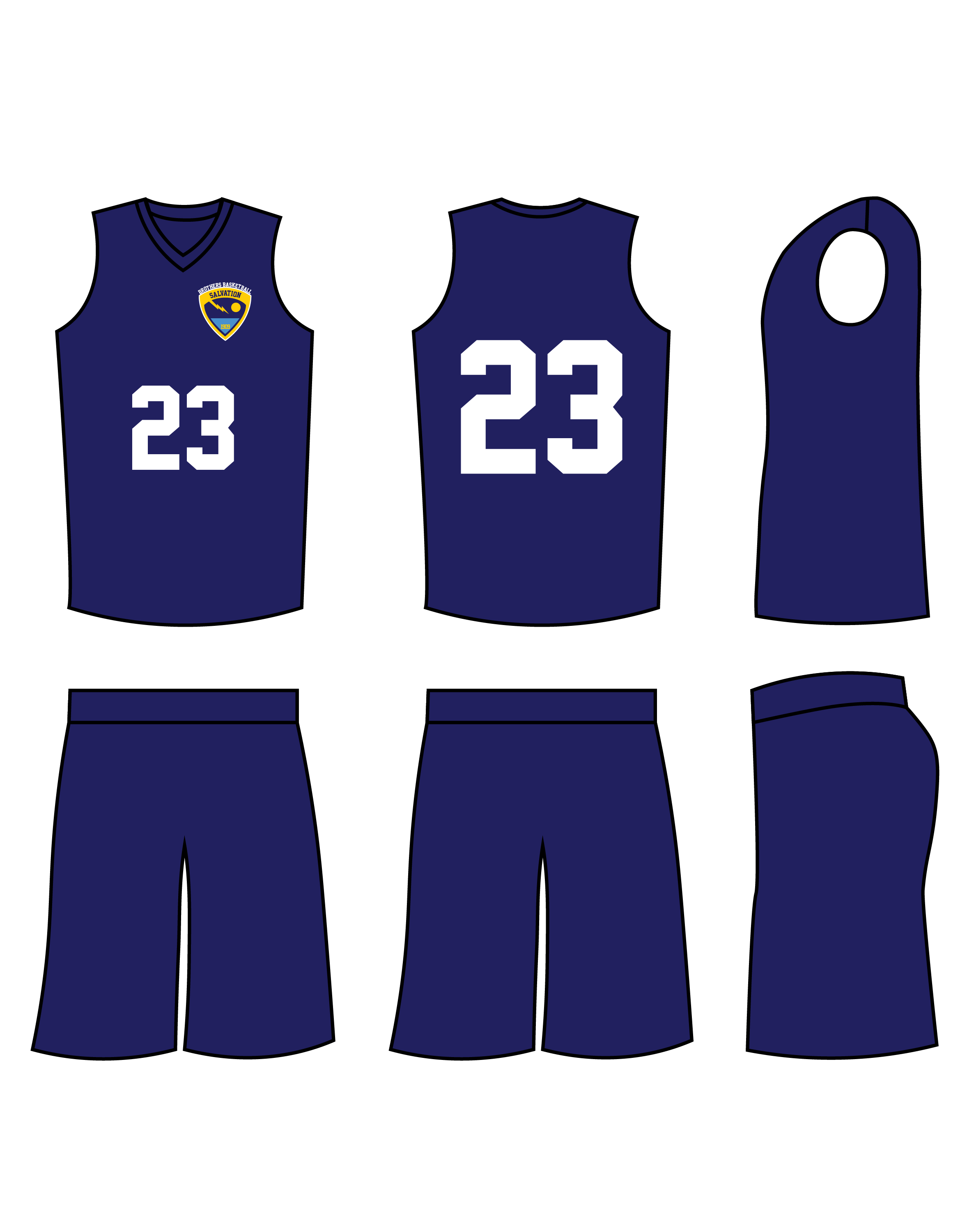
The Salvation Brothers represent the Harmonyc Brotherhood’s athletics division. The Brothers are branded in blue and gold, matching the baseball team in the UUBO and the football team in the UPF, along with all other Brothers athletes.
The Brothers basketball team is owned by Jon Walsh, who also owns the Brothers pro baseball team. He is one of the richest men in Uplantica, an outspoken proponent of the HB, and one of the church’s largest donors. He is also the son of Brent Walsh, one of the original creators of the HB’s national public athletic outreach program in 1909. The team marks its founding as 1909, however this date refers to the Brotherhood’s public athletic program in general rather than the specific Salvation Brothers professional basketball team, which was newly created for the UMB league in 1934. While the team shares close ties with the Brotherhood, it employs non-HB staff and players with no religious restrictions or requirements.
Thundaru Lightning
“Feel the Force of Nature!”
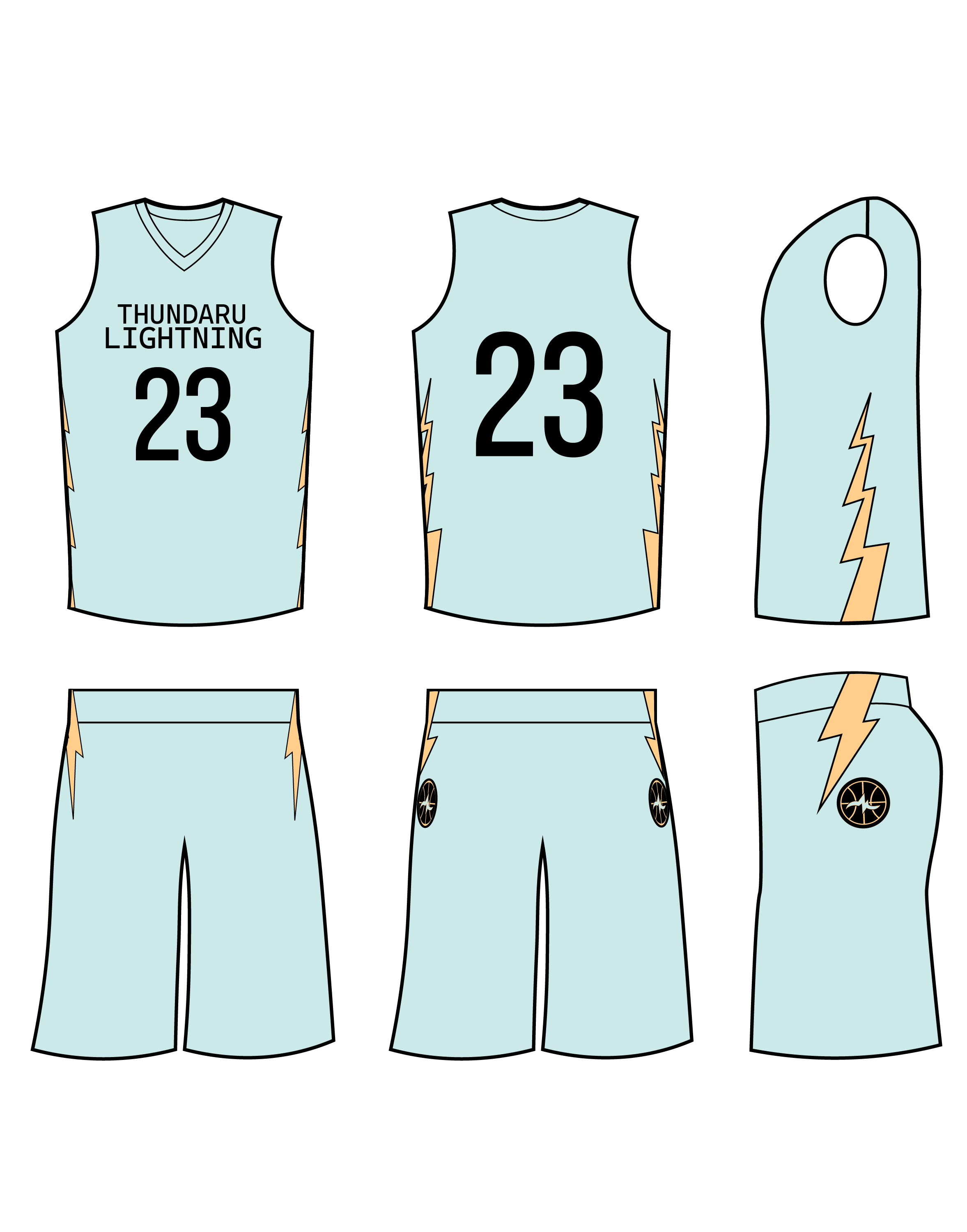
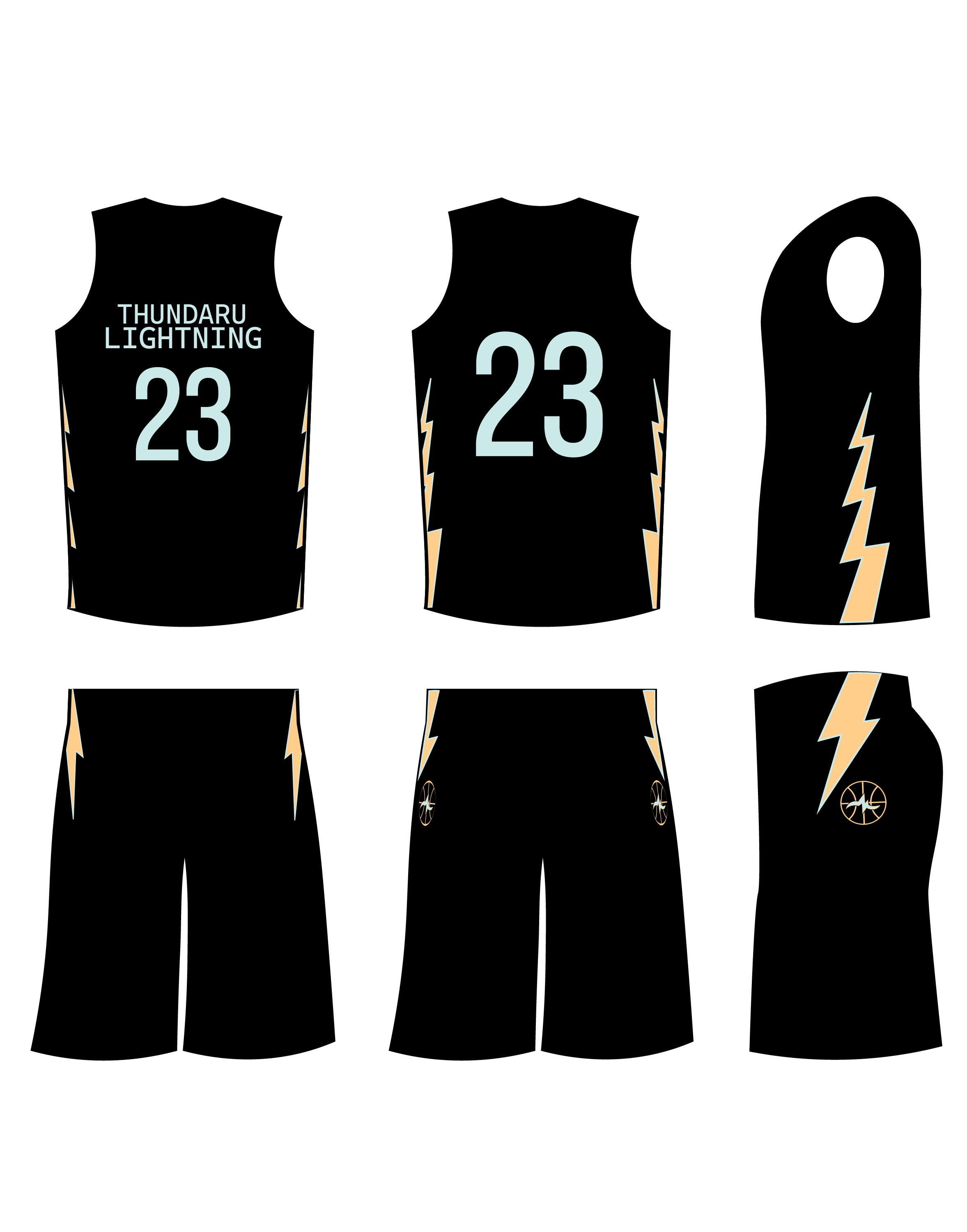
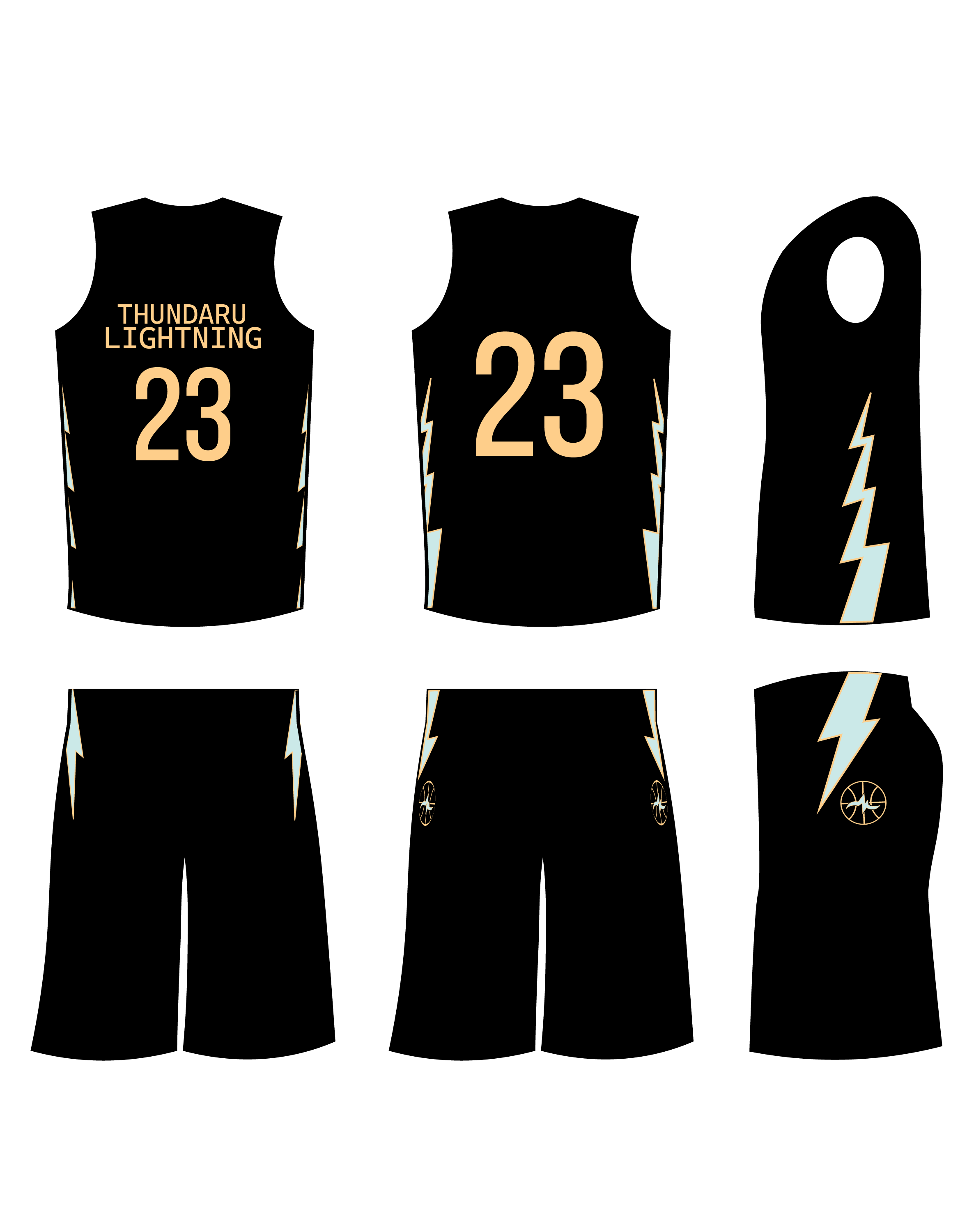
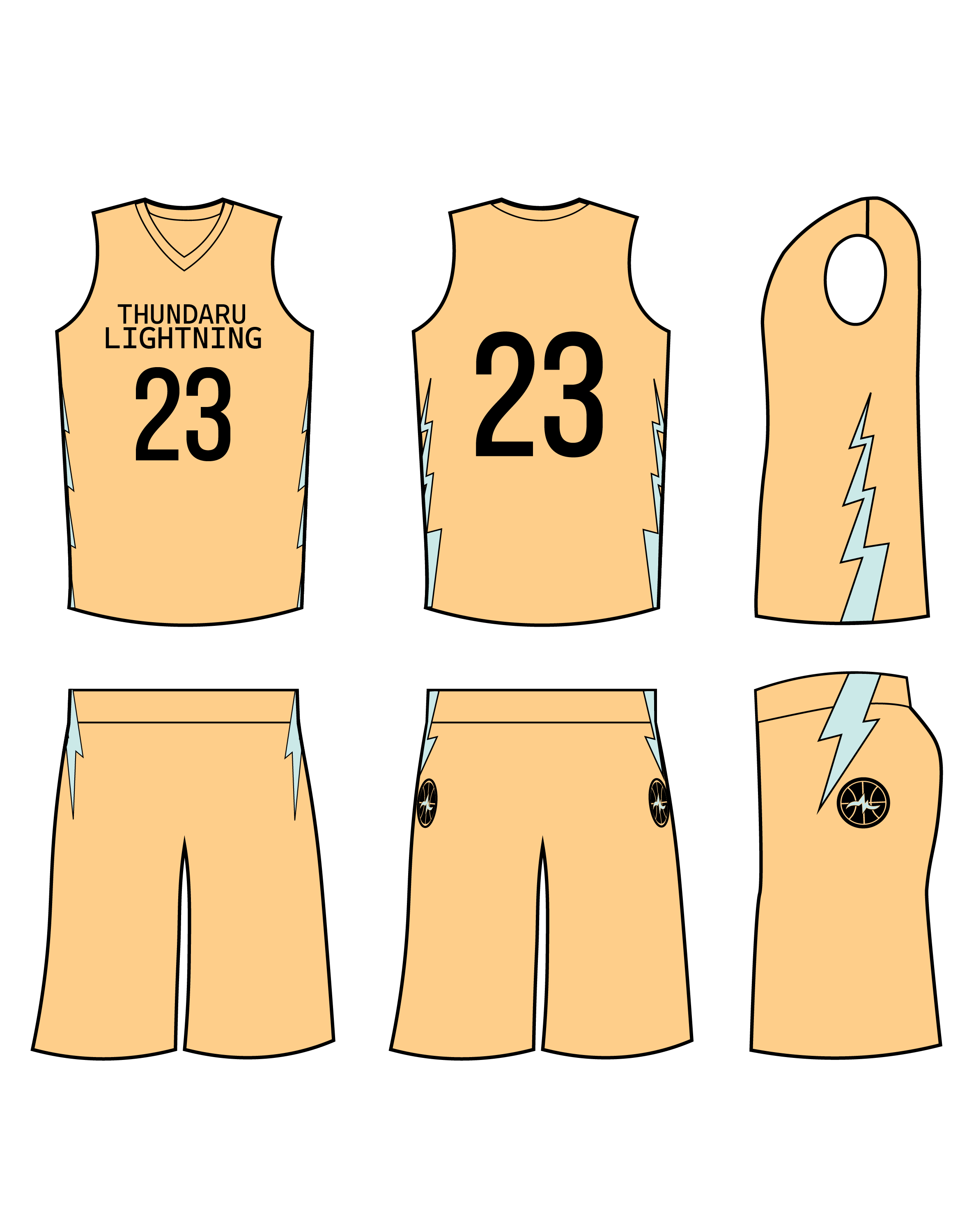
The Thundaru Lightning are UMB’s second Speakowan team. Like the Cherricaw Colts across the state, the Lightning have a public stake in their ownership. They were among the last of the teams to be approved by George Hader’s league office, and have a somewhat contentious relationship with the league as a whole. The team’s GM, Curtis Katowan, has been an outspoken opponent of the Harmonyc Brotherhood and Tiny Sea’s influence on the nation and on the state of Speakowa.
“If they thought people would go along with it, they wouldn’t have given us or Cherricaw a team at all. But the game has roots here, they’d never get away with it in the eyes of real fans of basketball.”
The game of basketball is said to have been developed in Thundaru, although Riverside and Cherricaw have also claimed that distinction.
Tiny Sea Tippers
“The City’s Team!”
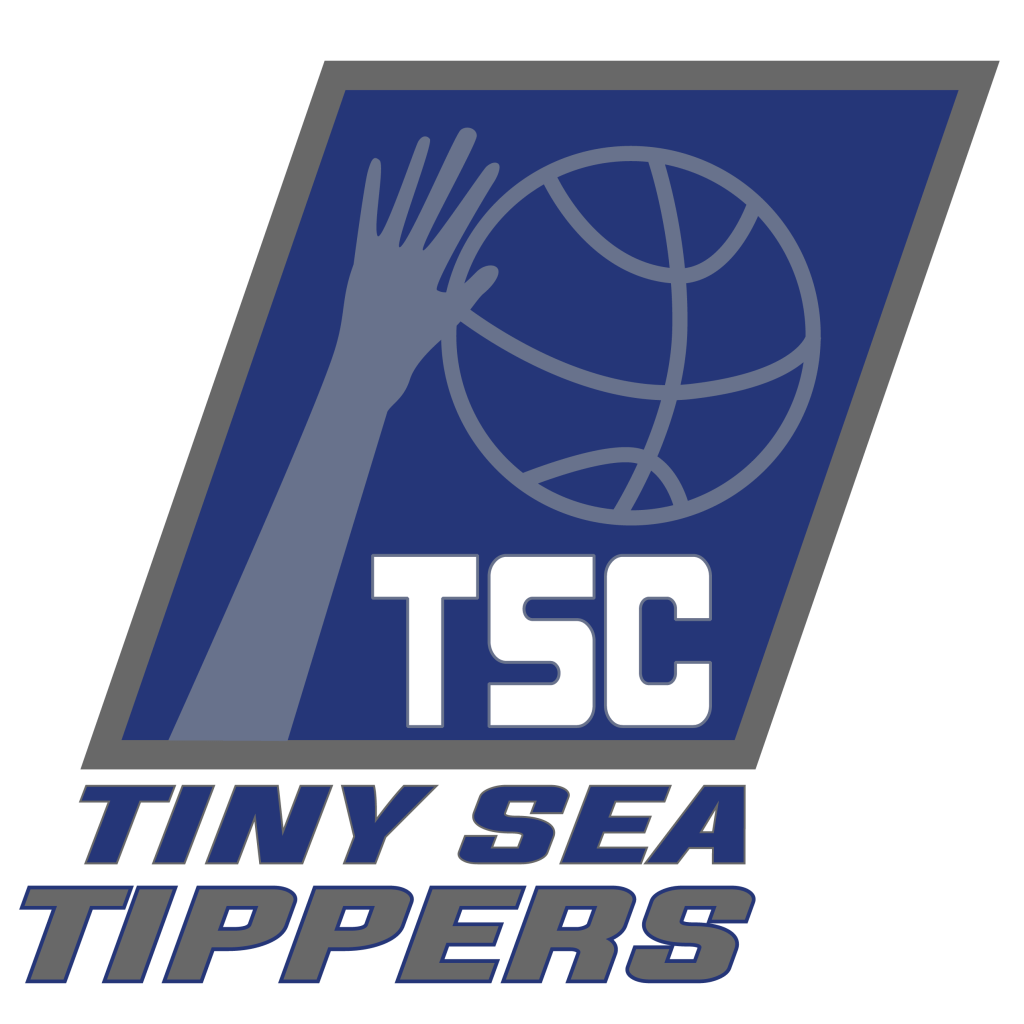
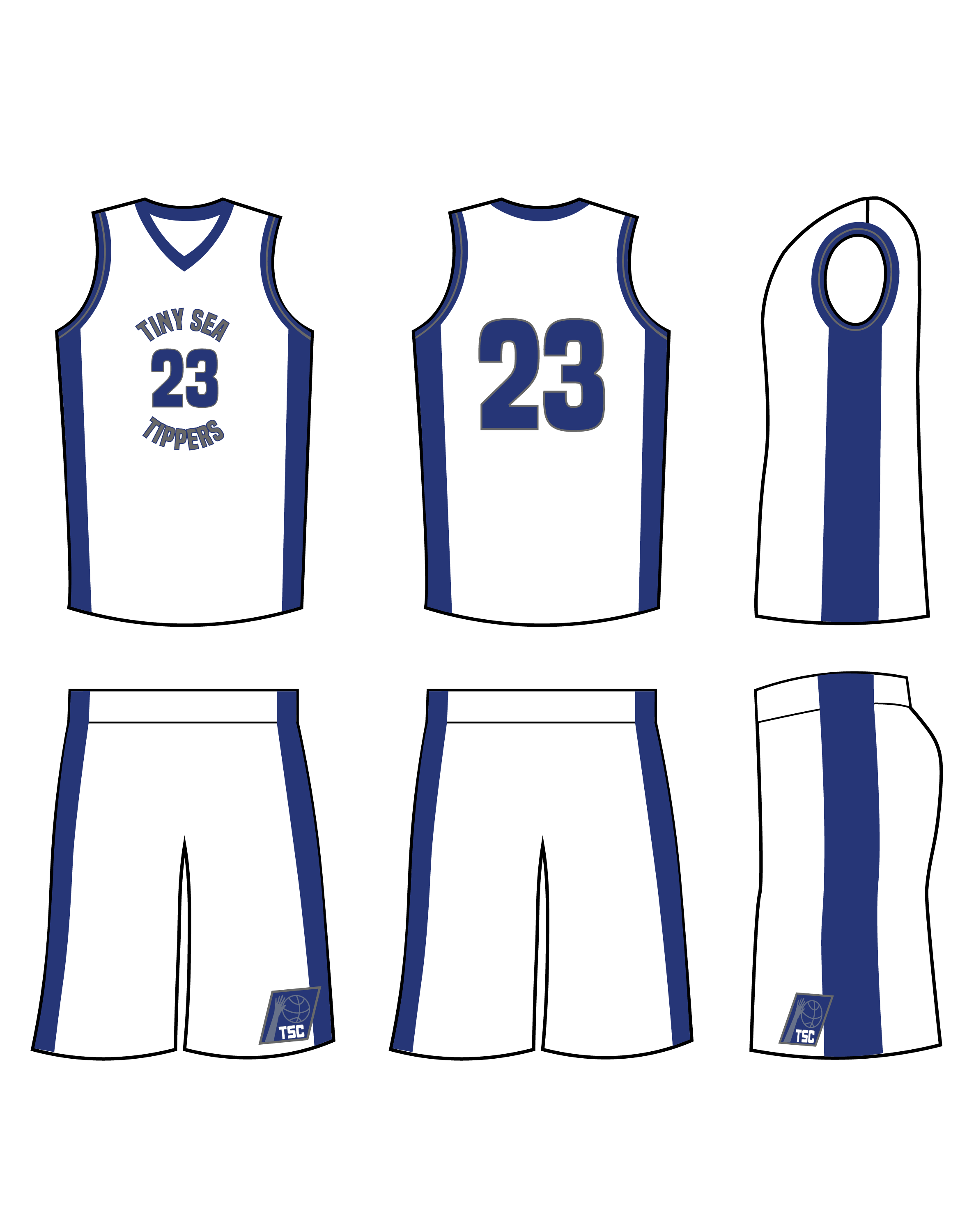
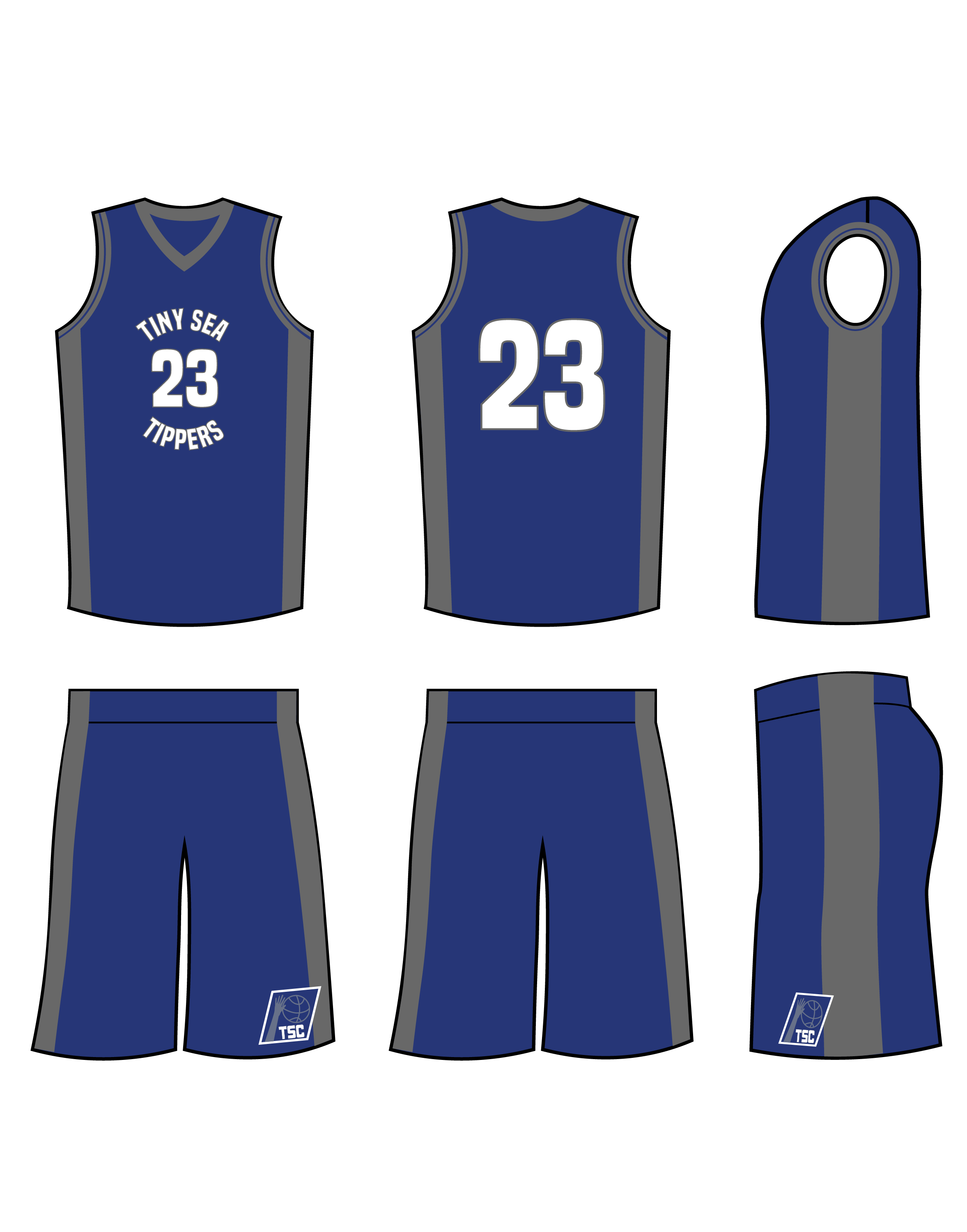
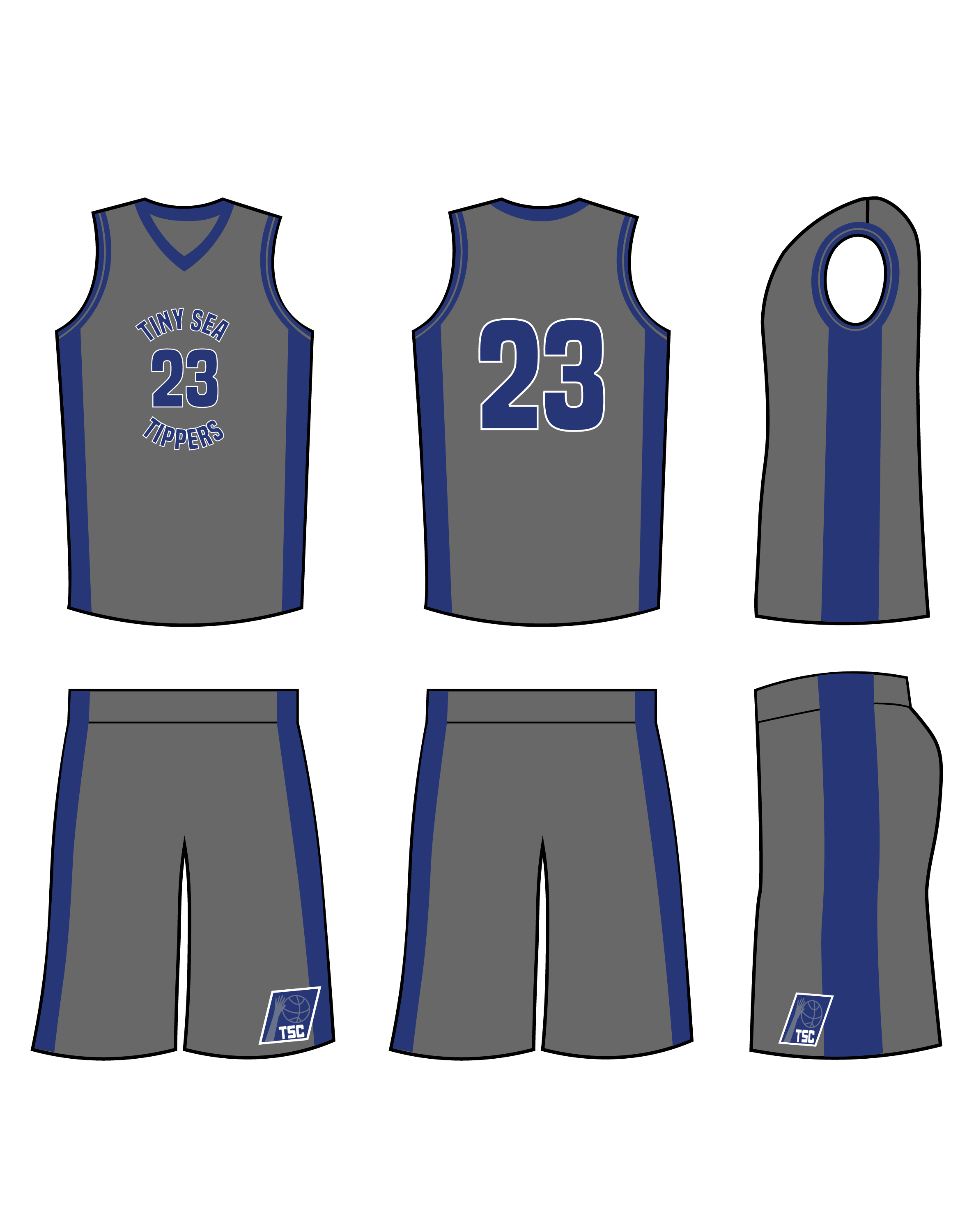
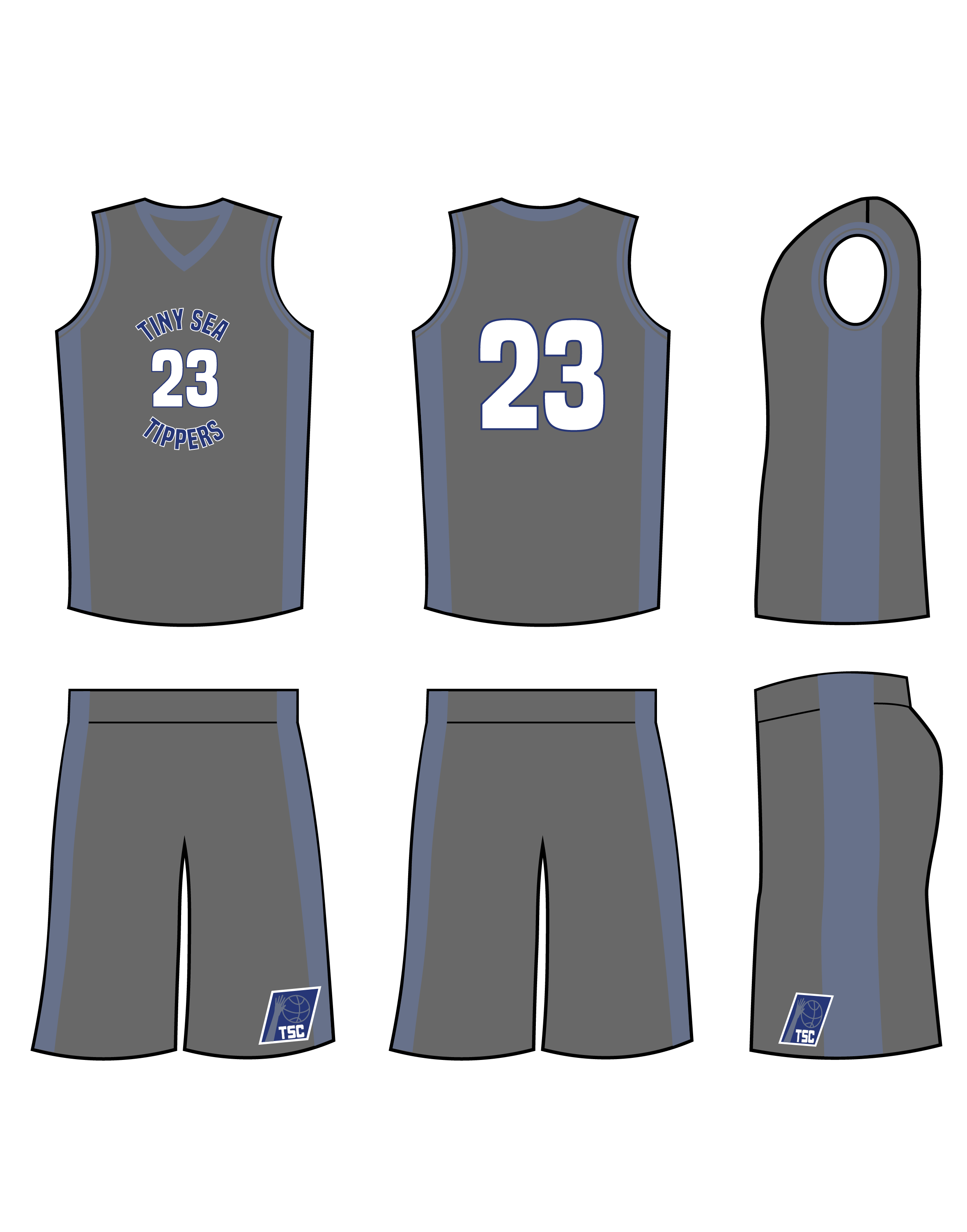
The Tiny Sea Tippers are the team that secular basketball fans in Tiny Sea City root for. However, unlike the Titans in football and the Metros in baseball, the Tippers ownership and management does not oppose the HB church at all. Unlike some other UMB team executives, Tippers owner Larry Pressen keeps a low profile and has little to nothing to do with the basketball operations of the team. Pressen’s family has close ties to the HB church, but he is happy for his team to play the part of foil to the Brothers as the only secular pro basketball option in Tiny Sea City.
The Tippers play in Allan Arena, which is named for the first mayor of Tiny Sea City elected under the law of the USU after the Uplantic Pact. Over three four-year terms, Mayor Aldous Allan was a stabilizing force in a time of conflict, and accomplished the near impossible task of easing tensions between the Harmonyc Brotherhood and its opponents in the city in the interest of a lasting peace in the new nation.
Wight Spirits
“Haunt the Hoop!”
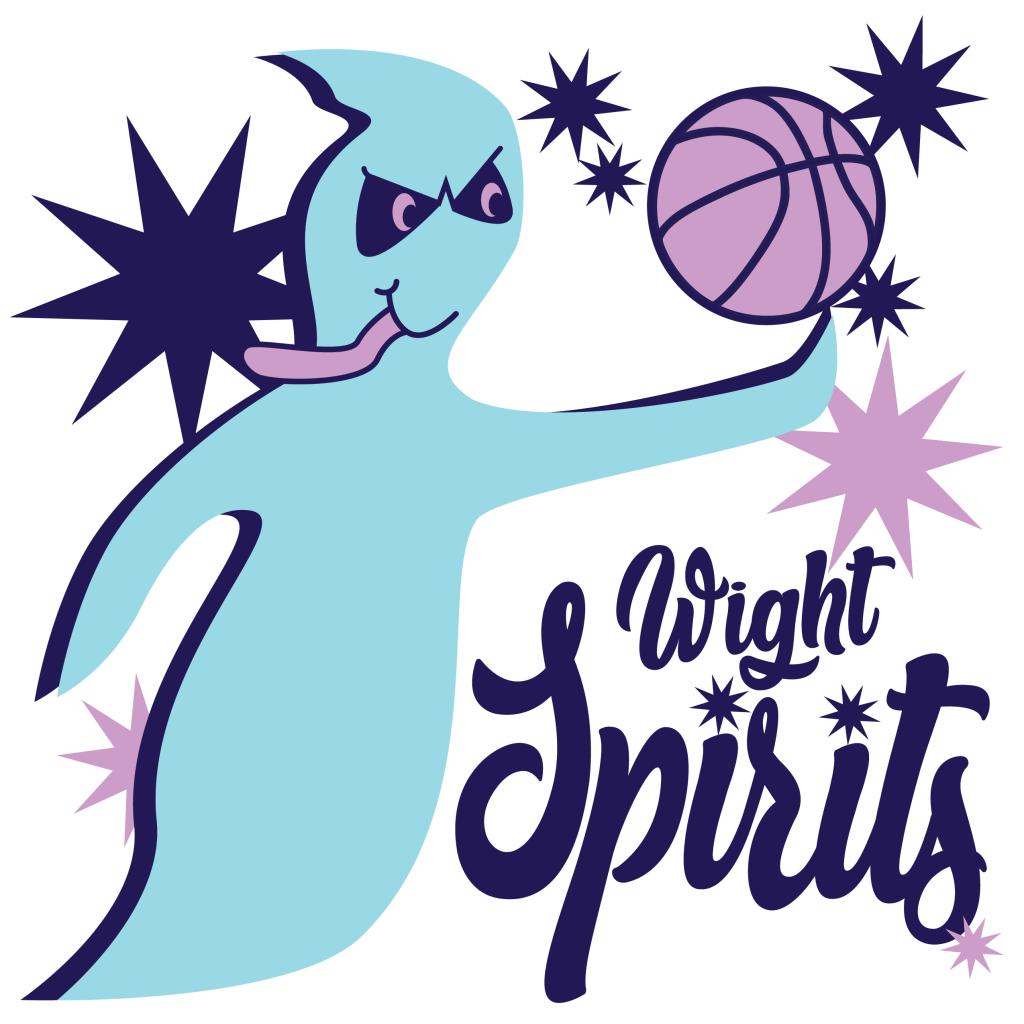
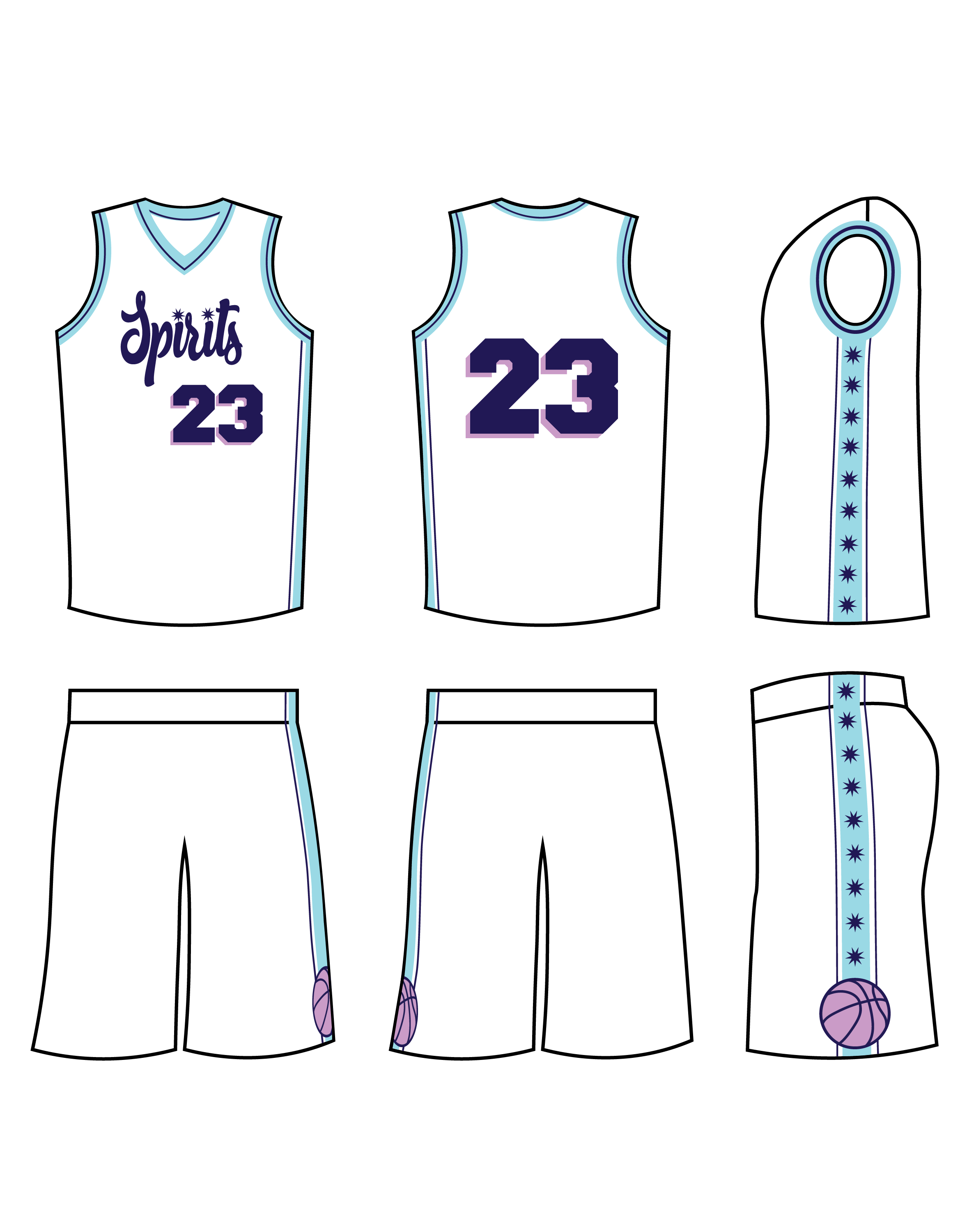
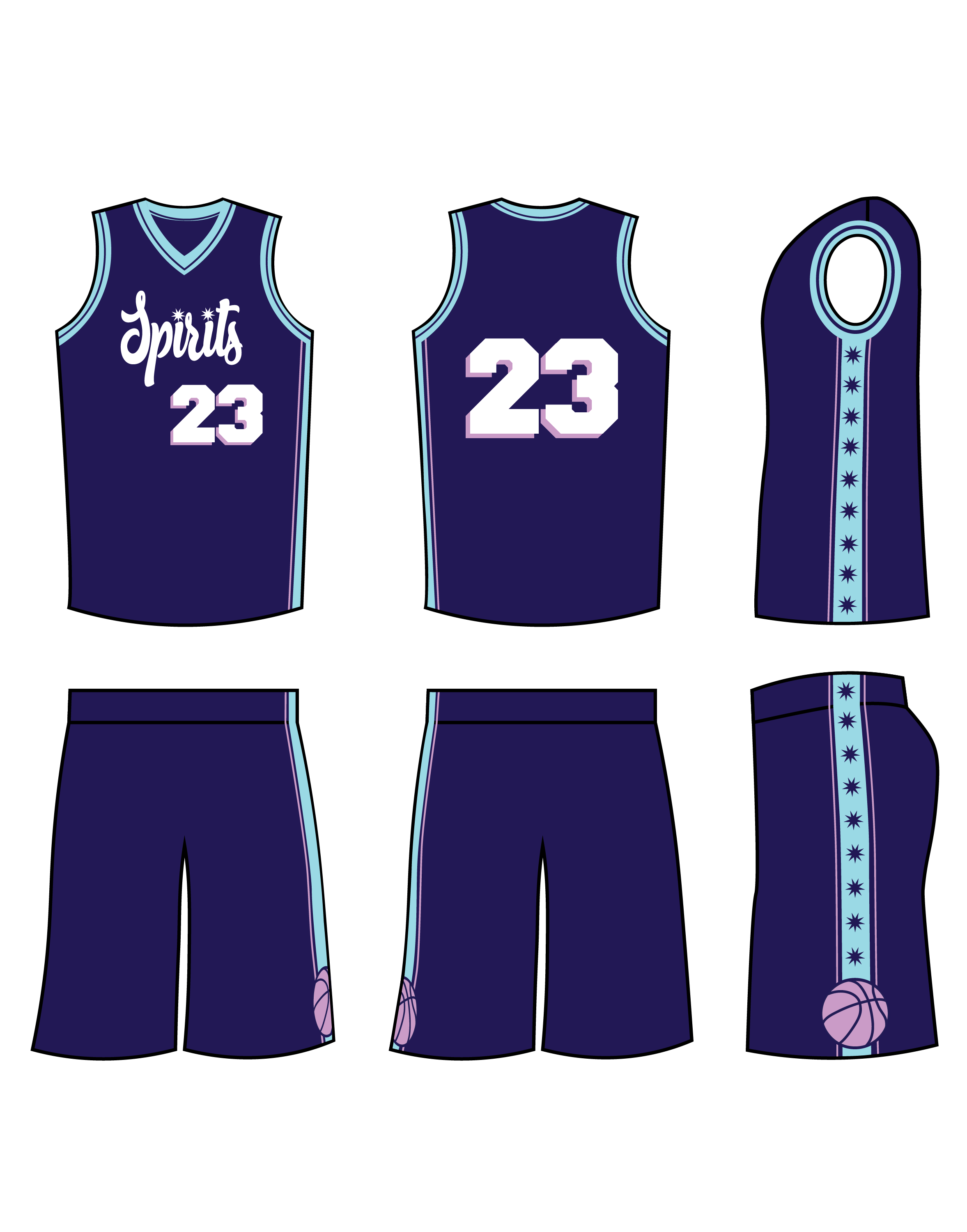

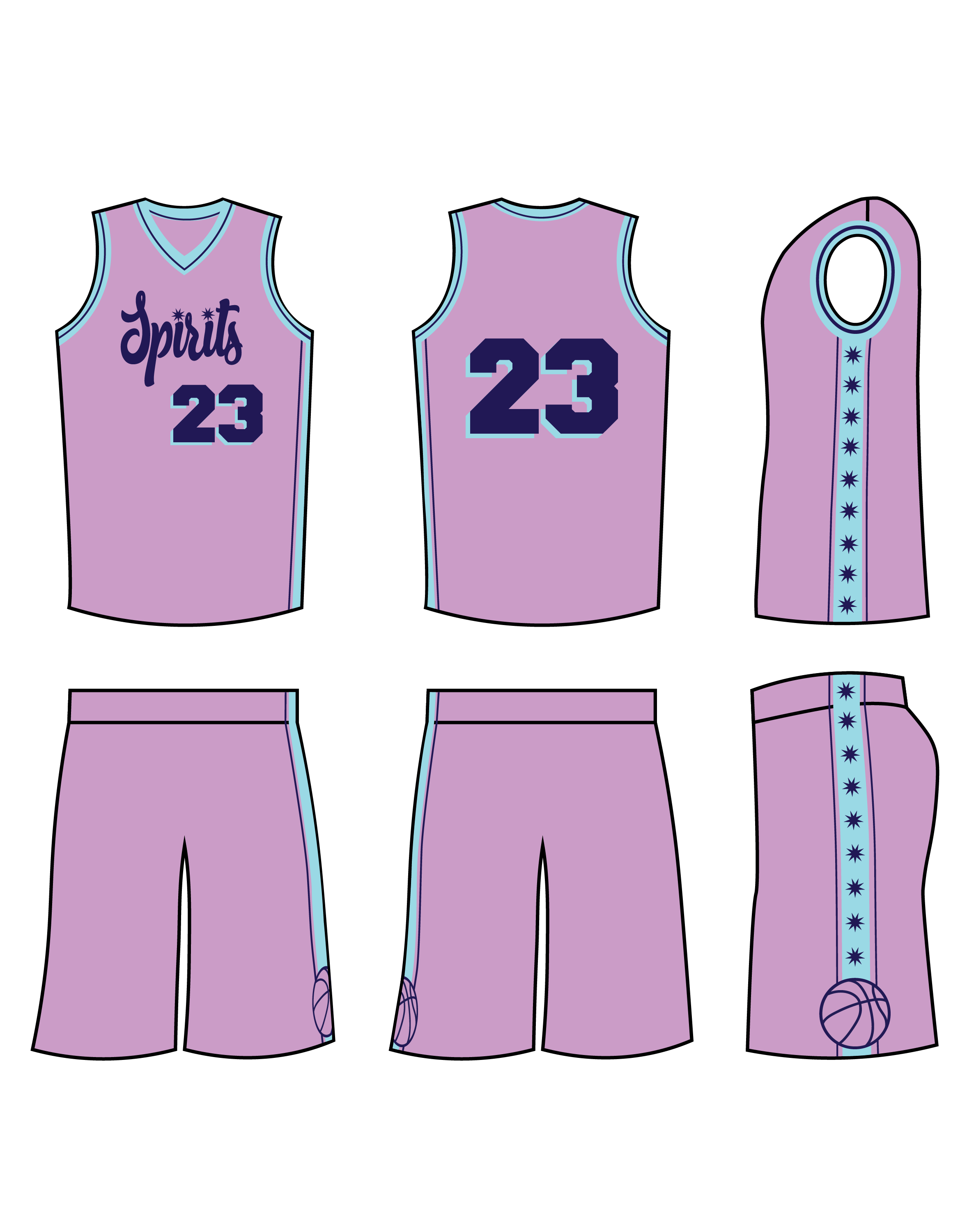
The Wight Spirits share their name with a story by macabre poet Timothy Scottrick Frid, who resided in Wight in the late 19th century. The Spirits name also refers to Wight’s reputation as “the most haunted town in Uplantica”.
Team owner Nicholas Teak made a large chunk of his fortune as the proprietor of a horror theme park and theater operating in Wight since 1906. Teak’s Theatre was one of the first places to show scary silent films, a genre that would go on to be one of the most popular as the art form would evolve over the twentieth century.
Like the Wight Ravens, their counterparts in UPF football, the Wight Spirits lead the UMB league in merchandise sales despite the city of Wight being a medium-sized market.
 Uplantic Sports Today